
Dutch consumer group asks a court to ban Ray-Ban Meta sales if Meta says it cannot comply

The Consumentenbond has gone to court over the cameras in Meta's glasses, and it wants them off sale in the Netherlands if Meta says they cannot be made to comply with privacy law. The Dutch consumer association says the hearing is on 26 November 2026 at the rechtbank Amsterdam, the Amsterdam district court, and that any ban should carry an exception where there is medical necessity.
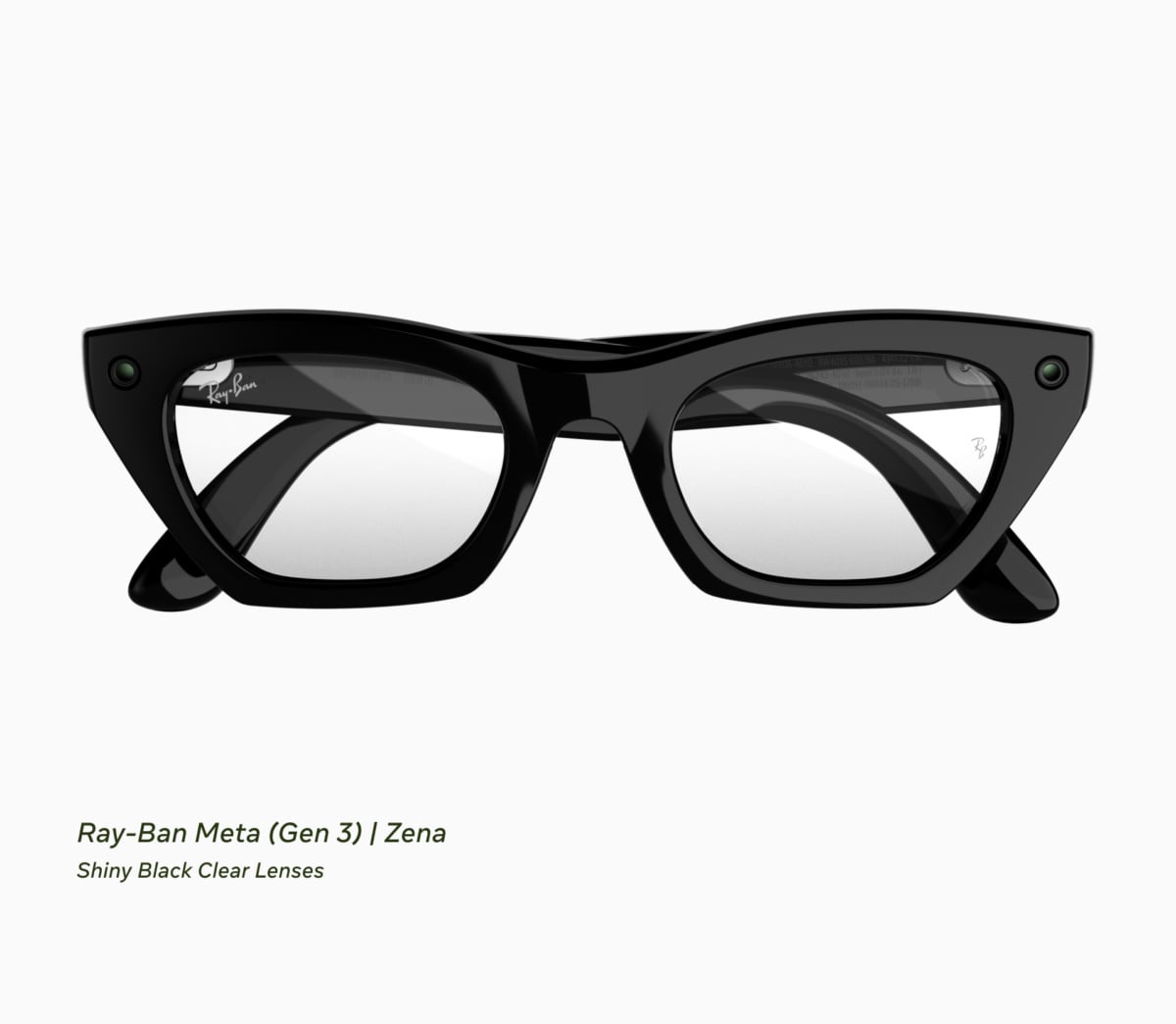
A camera at one outer corner and an LED at the other, the two parts the Consumentenbond's claim turns on. Image: Meta
A ban is the fallback rather than the first request. The group demands that Meta change the glasses and their default settings so that they meet privacy law, and that it stop what the group calls the "onrechtmatige verwerking van gegevens voor AI", the unlawful processing of data for AI.
If the court rules for the Consumentenbond, Meta must make those changes within two weeks. Only "als het volgens Meta niet mogelijk is om de bril aan de wet te laten voldoen", if Meta says the glasses cannot be made to meet the law, does the group ask for "een verbod op de verkoop van de camerabril", a ban on sale of the camera glasses, and it asks for the medical exception to survive that too.
Meta has not responded publicly.
The Consumentenbond gave Meta two weeks in September
On 29 September the group said it had sent Meta a sommatiebrief, a formal demand giving the company two weeks to change the glasses or face proceedings. The same release argues that the light meant to warn people a recording is running "is voor omstanders niet zichtbaar genoeg en kan worden afgedekt", is not visible enough to bystanders and can be covered up.
This month's announcement says Meta "weigert zijn camerabril aan te passen", refuses to adjust the camera glasses. That is the claimant's account of Meta's position rather than Meta's own.

Ray-Ban Meta with prescription lenses: a sales ban is the fallback the group asks for, not its first request. Image: Meta
The complaint is about bystanders, not buyers
The grounds rest on people who never bought a pair. The glasses can film bystanders "ongemerkt", unnoticed and without their consent, the group says, and it argues the footage can reveal political opinions, religion and health, which it calls special category data that may not simply be processed.
It adds that images of children are captured as well, and that the images and sound the glasses pick up can be used by Meta to train its AI models. Those are the claimant's allegations, and 26 November is a hearing rather than a ruling.

Meta's own photography of the frames, which is what a bystander sees. The Consumentenbond's complaint is that the warning light is not visible enough to them. Image: Meta
Blind and partially sighted users would be carved out
One group of buyers would be kept out of a ban either way. Consumers who are blind or partially sighted can benefit from AI glasses, the Consumentenbond says, so if Meta tells the court that compliance is impossible and a sales ban follows, the group wants "een uitzondering bij medische noodzaak", an exception where there is medical necessity, with the privacy of users and bystanders still protected.
Dutch politics has circled the same question without settling it, and two parties pushed the cabinet towards a European camera glasses ban in October after it had turned the idea down in September. Meta's own answer to the bystander problem is the capture light, and it says covering that LED disables the camera.
The Consumentenbond runs this case alongside the privacy claims it calls the Facebook Claim, Google Claim and Tik Tok Claim. The date that counts in Amsterdam is 26 November, and what is listed for it is a hearing.

