
Meta says covering the capture LED disables its AI glasses' camera
Meta says its AI glasses shut their own camera down if the recording light is covered. "If the glasses detect that the capture LED light was covered, physically tampered with or destroyed, they'll automatically disable the camera," reads the company's privacy page for the glasses. The Dutch government repeated that claim to parliament on September 24, while explaining why it will not try to ban the stickers sold to do exactly that.

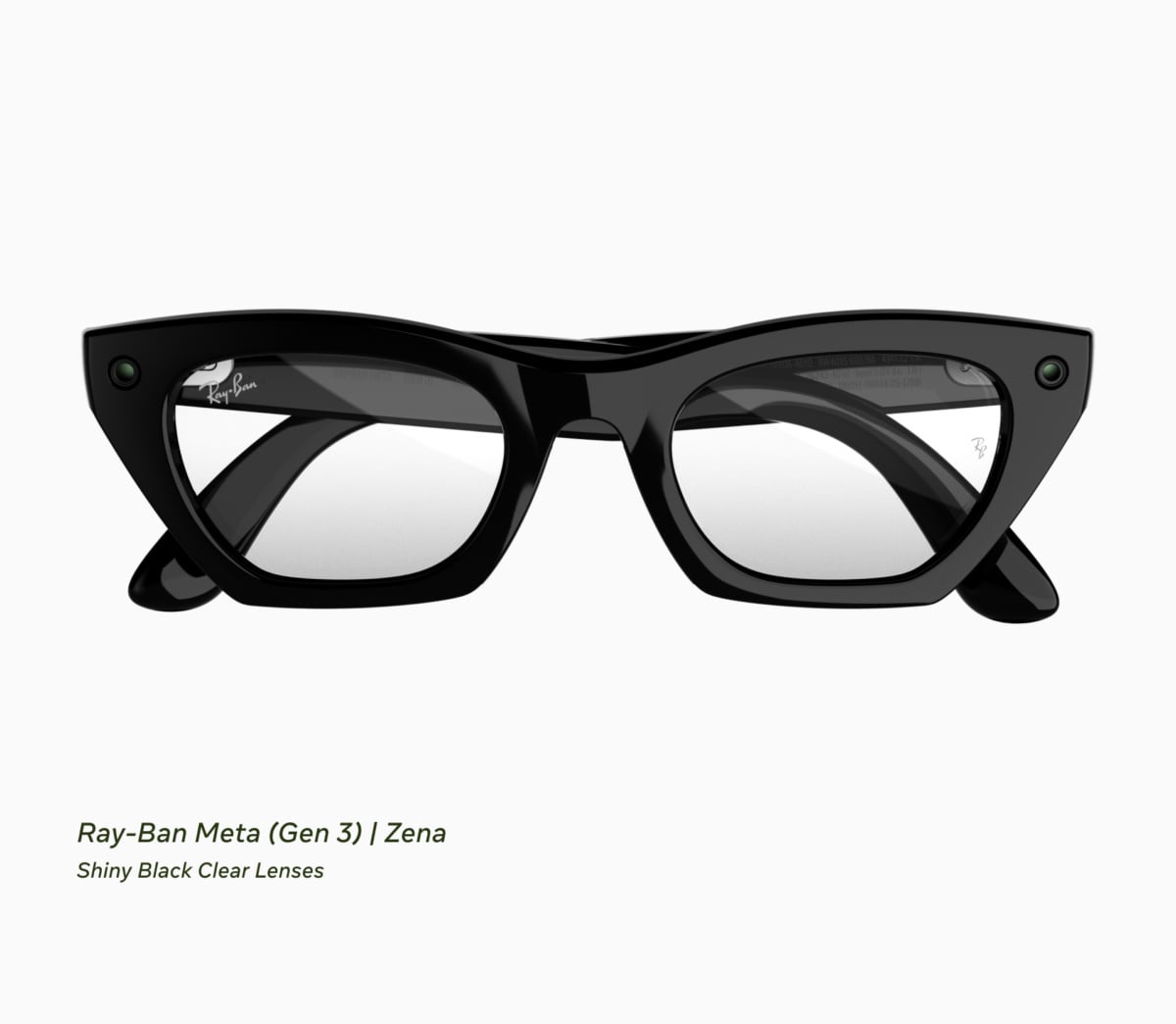
A close-up of Ray-Ban Meta sunglasses being worn, with a small module at each outer corner of the frame: the camera on one side, the capture LED on the other. Image: Meta
Meta's own description of the light is short. "Each pair of our AI glasses has a bright white light called a capture LED that blinks to signify when content is being captured for your gallery," the page says. It blinks briefly for a photo and keeps blinking for as long as video is recording, and Meta writes that it "was designed solely to let others know that you are capturing content".
Meta publishes no detail on the detection
How the glasses work out that the LED is covered is not explained anywhere on the page. Meta gives no reliability figure, no description of the sensor or the logic, no statement of how quickly the camera is disabled, and no model list beyond the phrase "our AI glasses", which now spans several Ray-Ban, Oakley and Meta-branded ranges. No test result is published anywhere.
The Netherlands gives four reasons not to ban the stickers
The Dutch ministers told parliament they are aware of the stickers, modifications and instructions circulating online for covering or bypassing the recording indicator, and call them undesirable. "Het is onwenselijk dat er middelen, instructies en zelfs diensten worden aangeboden die het doelbewust onmogelijk maken voor omstanders om te zien dat er wordt opgenomen," the answer reads: it is undesirable that means, instructions and even services are offered that deliberately make it impossible for bystanders to see that recording is taking place.
They will not pursue a sales ban anyway, and they give four reasons for that. A sales ban on such aids would be "juridisch kwetsbaar, eenvoudig te omzeilen, moeilijk handhaafbaar en onevenredig ingrijpend en kostbaar ten opzichte van het beperkte effect": legally vulnerable, easy to circumvent, hard to enforce, and disproportionately intrusive and costly against the limited effect it would have.
Most of the materials and accessories involved are legal in character, being stickers and tape, and drawing a line between what may and may not be sold is, in the government's words, very difficult. Then it cites Meta: "Meta zelf geeft aan dat de camera automatisch wordt uitgeschakeld zodra de bril detecteert dat het led-lampje voor opname is bedekt, fysiek is gemanipuleerd of is vernietigd." Meta itself states that the camera is automatically switched off as soon as the glasses detect that the recording LED has been covered, physically manipulated or destroyed.
The answer offers nothing beyond that on the point: the manufacturer's account of its own product, repeated to parliament, with no test cited behind it.
The light has been the argument all year
The light has carried most of the weight in this year's arguments about camera glasses. Meta's chief technology officer argued in September that a few bad actors should not shape the debate, pointing at the light as the answer. Developers have tried to route around it: the ZuckOff app spots Ray-Ban Meta and Snap Spectacles over Bluetooth, though it cannot tell you whether they are recording.
Meta's tamper detection, if it works as described, closes the crudest gap in that design. It also leaves the safeguard bystanders rely on inside the device they are worried about, which is the arrangement a European government has now looked at and left alone.


Smart glasses are good in only the best way to improve our eyes sight I have nuances smart glasses with hearing aids I hope the makers of the glasses improve them .not only for glasses improve the hearing to help to stop tinnitus.