
Two Dutch parties want a European camera glasses ban. Their own cabinet said no in September.

Two groups in the Dutch parliament have asked their cabinet to push for a European ban on the use of camera glasses in public, five days after ministers refused to argue at EU level for binding design rules on the same devices. The CDA group wants the subject raised at the informal EU Telecom Council of October 12 and 13, and both requests are questions put to ministers rather than anything that has been agreed.
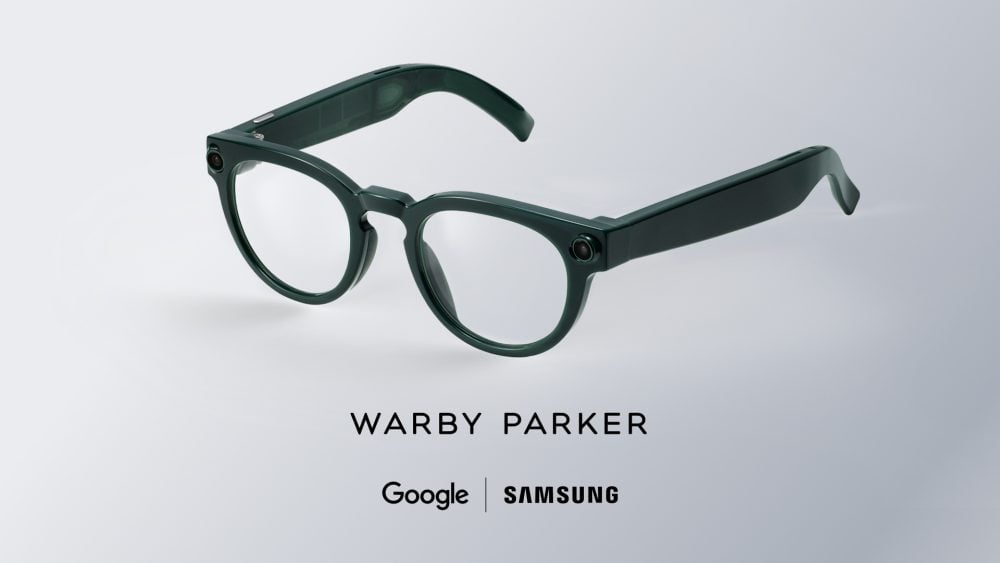
Another example of the category: camera glasses in frames that look like ordinary spectacles, which is the heart of the Dutch complaint. Image: Warby Parker
They are set out in the written consultation input from the Tweede Kamer's standing committee on digital affairs, issued on September 29 and published on October 6 as document 2026D47254. Eight party groups filed questions in it. Two of them raise camera glasses, and the rest cover spectrum policy, cookies, chat control and age verification.
CDA is the more specific of the two. Its members plead for a ban on the use of camera glasses in public space, and ask whether the cabinet is willing, ahead of the European Data Protection Board's report, to explore a joint European approach with Germany and other like-minded member states, with a ban on public use explicitly included, and to raise the subject at the coming Telecom Council.
Ministers told the same party no in September
The questions behind that request came from Zwinkels and Straatman, both CDA members, and were submitted on August 6. Asked whether the cabinet would argue in Europe for binding design requirements, including a recording signal that is clear and cannot be circumvented, the state secretaries for justice and security and for economic affairs and climate answered on September 24 with "Nee, op dit moment niet", no, not at this moment, saying they wanted to await the EDPB's findings. On a partial ban on wearing the glasses in public spaces, the same answers call it a far-reaching measure, available only if no lighter alternative exists, and say it is sensible to wait for the EDPB first.
Those answers do concede the recording light is easy to miss. For many people, the cabinet says, a light on a pair of glasses does not self-evidently mean filming is under way, and it can be missed in busy or brightly lit surroundings. That is the exchange in which the cabinet ruled out design rules and declined to study a public ban.
A second group wants selling restricted too
PRO goes further and is blunter about it. Its members say they are very worried about the new "gluurbrillen", a pejorative that translates roughly as peeping glasses, which they describe as having been brought to market by Meta and Ray-Ban, and they ask what room the cabinet has to prohibit the wearing and selling of them, and the recording done with them, more strictly. Naming those two companies is PRO's own wording, not a cabinet position. The group adds that use of the technology "is generally already prohibited, but the prohibition is not being complied with", and asks which other member states are taking national measures.
PRO's footnotes point to the data protection authority on September 22, the Consumentenbond on September 10 and Bits of Freedom on September 29. The authority's own page says millions of Dutch consumers have a pair at home, that a small light in the frame is not enough to inform people about the processing of their personal data, and that it is examining what further measures against camera glasses and other camera wearables are possible. Board member Katja Mur is quoted there: "People must be able to walk the streets freely without being afraid that someone is filming them unnoticed and then shares the images or puts them on the internet."
Nothing has been decided
Neither request has an answer. The cabinet's reply to the consultation had still not been published when the document was read at 22:20 UTC on October 10, so nothing in it commits the Netherlands to anything at the Council or afterwards.
The nearest comparison is Norway, where the government itself proposed a temporary ban rather than being asked for one. In the Netherlands it runs the other way: ministers said no, and members of parliament are the ones pushing. The Council meets on October 12 and 13, and whether the Dutch delegation raises camera glasses there at all is the cabinet's call.

