
Norway proposes a temporary AI glasses ban, and its own release lists two sets of places

Norway's government wants to make it illegal to use AI glasses in parks, on bathing beaches and in museums while it works out a permanent law, and the press release announcing the plan gives two different lists of the places a ban might cover. The Ministry of Digitalisation and Public Administration published the proposal on October 5, and the examples in its main text are not the examples in its Fakta box.
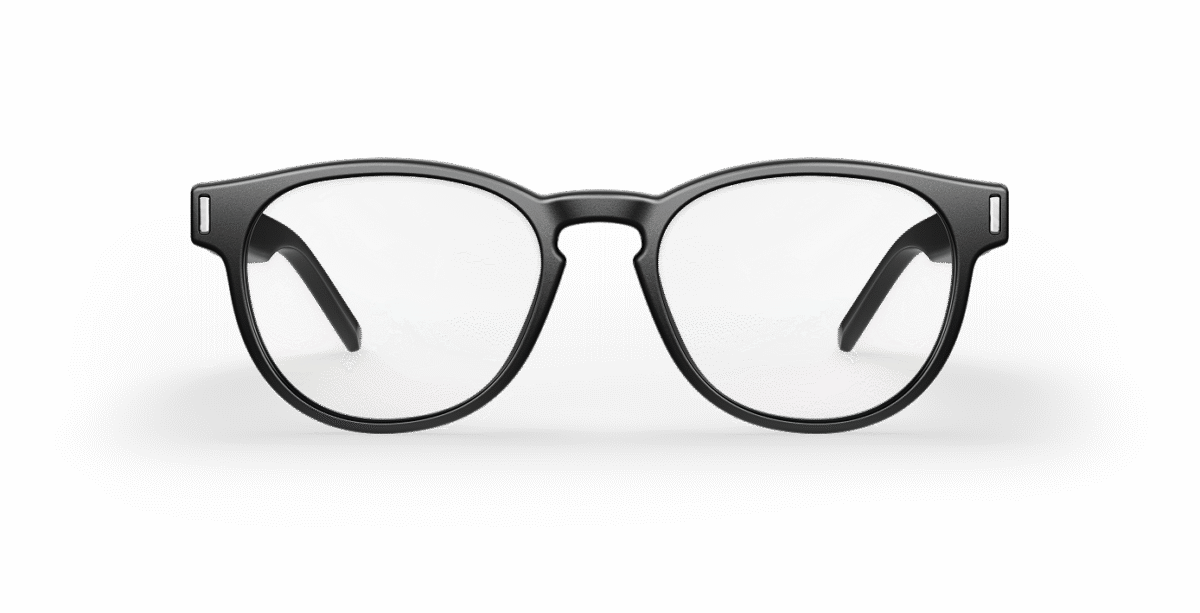
Round matte black frames with clear lenses. Norway's release leaves open which devices a ban would cover. Image: Mixed News media library
Both lists open the same way, with "parker, badestrender, museer": parks, bathing beaches and museums. The main text adds "kjøpesentre og offentlige arrangementer", shopping centres and public events, and for places used by children it names "skoler, barnehager, lekeplasser og fritidsklubber", schools, kindergartens, playgrounds and youth clubs. The Fakta box drops shopping centres and youth clubs and brings in two places the main text never mentions: "fornøyelsesparker", amusement parks, and "svømmehaller", swimming pools.
Neither list binds anyone. Both are introduced as what "kan være aktuelt", what it may be relevant to include, and the wording was the same when the page was read at 21:13 UTC on October 8, 2026.
Nothing has been written into law yet
The release says the government will return to the Storting with a bill "så raskt det lar seg gjøre", as quickly as it can be done. There is no date, no penalty and no settled definition of the devices covered. Which technology falls under the ban "skal utredes nærmere", is still to be investigated, and the release sets out three candidate scopes: glasses with a camera and audio recording, glasses with a camera and AI functions, or any body-worn technology with a camera, audio recording or AI.
Norwegian uses "KI-briller", which translates as AI glasses rather than smart glasses, and the ministry applies it to the whole category rather than to any one maker. No product and no company is named anywhere in the release.
Digitalisation and public administration minister Torgeir Micaelsen is quoted saying he is uneasy "for at det introduseres ny, kraftig teknologi der folk risikerer å bli fotografert, filmet eller tatt lydopptak av uten at de vet det", that powerful new technology is arriving where people risk being photographed, filmed or audio recorded without knowing it. A second quote puts the aim as avoiding a society where people worry about hidden recording in places where they are used to being unobserved.
This is not a blanket ban
The release states that plainly: "Regjeringen legger ikke opp til et totalforbud mot KI-briller og annen kroppsnær teknologi." Private use stays legal, as does use in places where you are not going to film or photograph other people without their consent, and the government says exemptions will be opened for vulnerable groups and for socially useful use in limited cases.
Alongside the temporary ban, an expert group is to be appointed to study body-worn technology and advise on lasting national regulation. Neither that work nor the bill carries a date.
Other governments have been moving the other way. The Dutch government has told parliament it will not push for binding camera glasses rules or study a public ban, and the restrictions that have actually taken effect in Europe and elsewhere have been local rather than national, such as Western Australia's ban on smart glasses in its public schools.
For now it is a press release that puts a shopping centre on one list and a swimming pool on the other. The bill that would settle which of them is covered has not reached the Storting.

