
Western Australia bans smart glasses in all public schools from October 12, parents included

Western Australia will ban smart glasses from every public school on October 12, and the rule covers parents, carers, visitors and contractors as well as students and staff. The Department of Education's Director General issued a CEO Instruction to all public school principals on September 22, banning the wearing, using and storing of smart glasses on school sites, according to the state government.
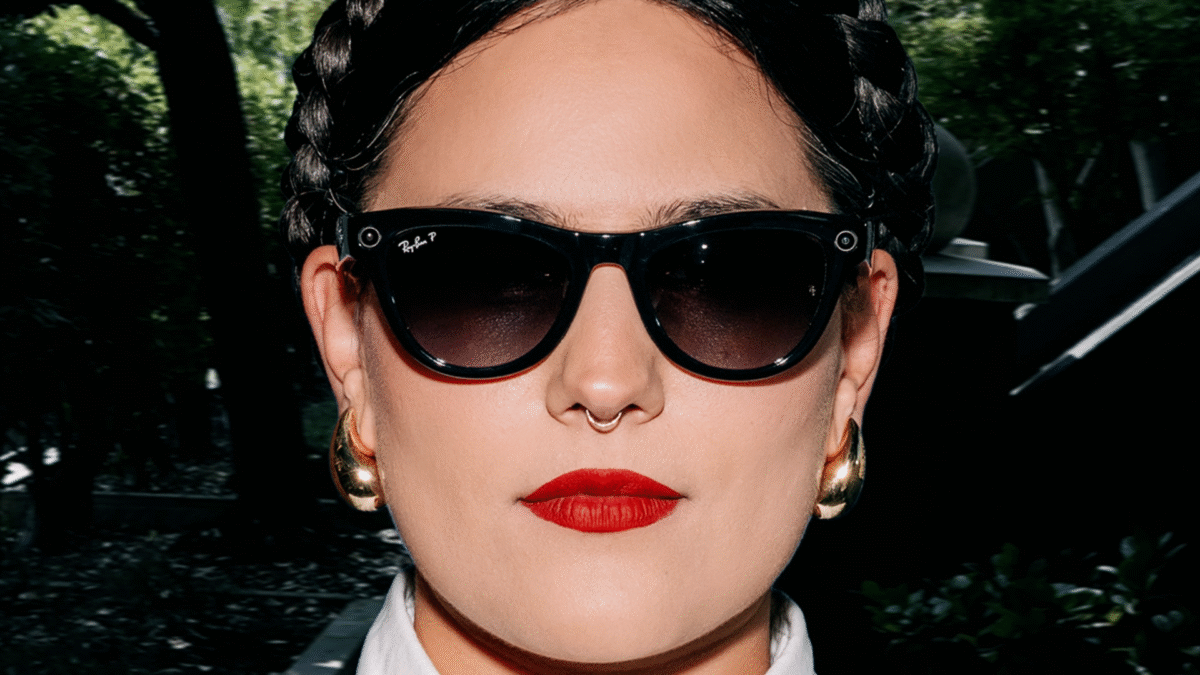
The Western Australian instruction names no brand and covers smart glasses as a category. Image: Meta
October 12 is the first day of Term 4 in WA's public school calendar. The ban follows students and staff offsite whenever they represent their school, so it applies on excursions and at sports fixtures too.
No incident has been recorded in a WA school
The education department has not documented a single case of smart glasses being misused in a Western Australian school, ABC News reports, and Education Minister Sabine Winton told the broadcaster that prevention was the driver. "Keeping students and staff safe at school is a priority for the Cook Labor Government," Winton says in the government statement. "This ban is about taking a common sense, preventative approach."
The government puts the change down to "emerging community concern about the risks of careless, criminal or malicious use". Winton was blunter speaking to the broadcaster: "Smart glasses may look cool but there's absolutely no place in our schools or classrooms for them."
Curtin University professor Tama Leaver put the risk in plainer terms. "It only takes sort of 30 seconds of footage now to create a deepfake of someone using the most rudimentary AI tools," he told the broadcaster.
Parents and contractors fall under the same rule
School device policies normally stop at students, which is what makes this one unusual. The instruction names students, staff, parents, carers, visitors and contractors, so a parent watching a school assembly is bound by the same rule as a Year 9 student.
Principals can grant exemptions for students with special circumstances such as a medical condition, and the department has written communication resources for schools to send to students, families and staff. The government has set out no fine or penalty. This is a school rule, enforced the way school rules are.
No brand is named anywhere in the instruction, which covers smart glasses as a category rather than any one product. Meta's own range starts at $299, and the government says the devices are getting cheaper and more common.
It builds on the phone ban, and Victoria follows in 2027
Western Australia has run an "off and away all day" policy since 2020, which bans student mobile phone use during the school day and requires smart watches to be set to aeroplane mode. The glasses ban plugs into the same machinery, with the department saying schools will use existing policies and procedures to apply it.
Victoria will restrict wearable devices including smart glasses from January 2027, a term later than WA. WA is calling its version the most comprehensive ban in the country.
Whether a bystander can tell when a pair of camera glasses is recording is still unsettled. Meta CTO Andrew Bosworth argued on September 21 that a handful of bad actors should not set the terms of the debate about the capture light on Meta's glasses, and a third-party app called ZuckOff can spot Ray-Ban Meta and Snap Spectacles over Bluetooth without being able to say whether they are recording. Keeping the glasses outside the school gate sidesteps that detection problem rather than solving it.
Director General Jay Peckitt, who issued the instruction, says "the misuse of smart glasses can have dangerous and long-lasting implications for school staff and students". No such case has been recorded in a Western Australian school, and the ban starts on October 12 regardless.

