
Valve's Proton maintainer answers an LLM-assisted crash fix with Wine's ban on LLM code
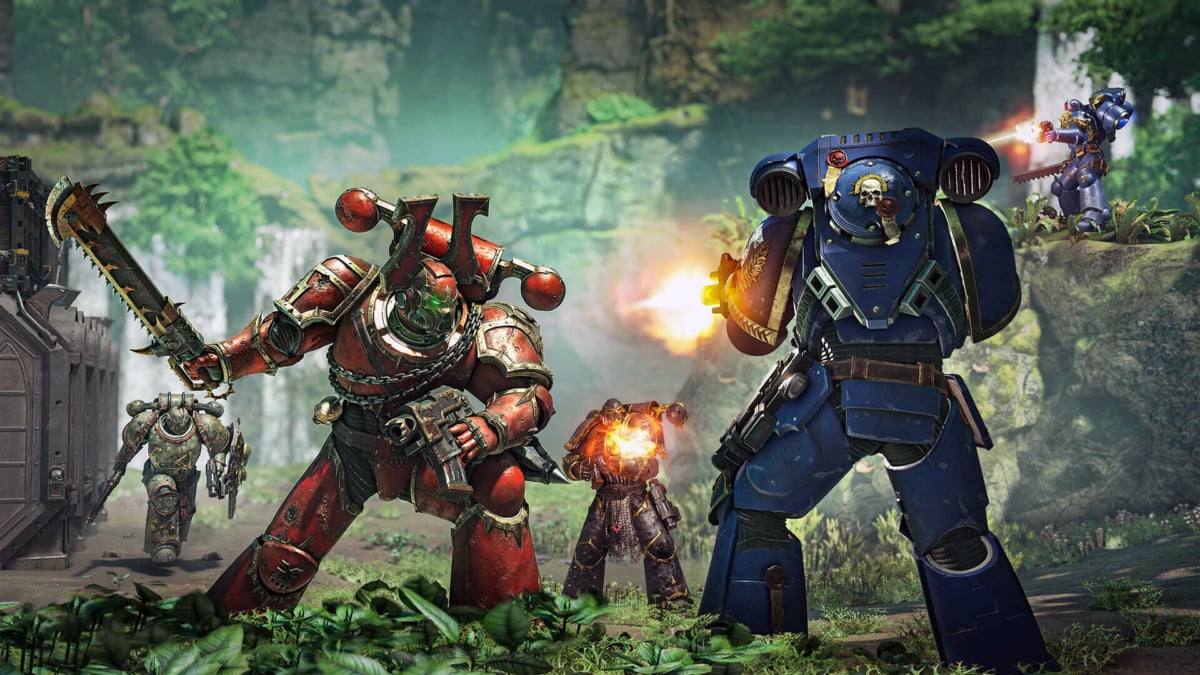
Valve's maintainer on the Proton issue tracker answered a request to merge a crash fix for Warhammer 40,000: Space Marine 2 by pointing at Wine's rule on code written with a large language model. The comment went up at 01:10 UTC on October 3 from the kisak-valve account, which GitHub marks MEMBER on Valve's repositories, and it says that "any changes that can go to upstream wine, should go upstream first", and that Wine's developer FAQ answer on LLM-generated code "should be taken into consideration while doing that".
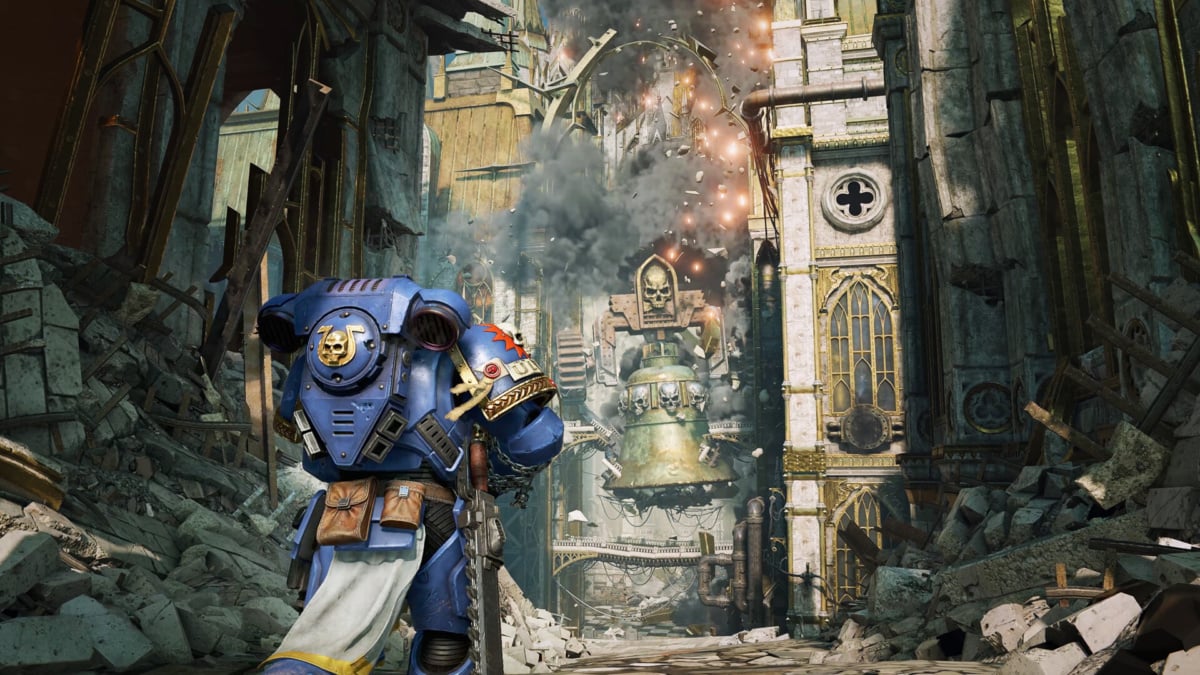
A ruined city street in Warhammer 40,000: Space Marine 2, the game behind the Proton thread. Image: Saber Interactive / Focus Entertainment
The answer there begins with one word. "No. The copyright and licensing status of LLM-generated code is not well-defined, and we can't assume that we are allowed to distribute that code under the Wine license," the project's developer FAQ says.
A contributor measured the fault against Windows
The prototype patch changes ntdll's wait-on-address code, where a thread whose wait has timed out can be woken at the same instant by another thread and left carrying an alert that then ends its next wait early. A contributor on Valve's tracker posted a comparison on September 30 between Windows 11 25H2, build 26200.9457, and stock Proton Experimental 11.0-20260924 on the same machine, with Windows running in a QEMU/KVM virtual machine on four logical processors.
By those figures an unlooped SleepConditionVariableCS wait returned while the result it waited on was still pending 0 times in 100,097 waits on Windows, against 69,195 times in 529,155 waits on Proton, about 13%. Zero-timeout waits that expired while another thread was dequeuing them left no alerts pending on Windows and 18 and 20 pending on Proton.
The numbers are the contributor's own, reported on Valve's tracker and not independently checked, and the contributor draws a narrow conclusion from them: "This only establishes that the early return it hits is Wine behaviour, not Windows behaviour." The crash behind the thread is an access violation at Retail.exe+0x2158FEE on the game's file loader thread, which the same contributor traced through minidumps and Proton logs other owners attached, on game build 14.2 with ntsync active.
Proton patches are meant to end up in Wine
Proton is Valve's fork of Wine with extra components bolted on, so a fix that lives only in the fork has to be carried forward every time the fork catches up with upstream. Valve's maintainer gave that as the reason for sending the work to Wine first: "Over time, we want the difference between upstream wine and Proton to shrink, so that Proton remains maintainable." The same engineering pull runs the other way too, with Proton Experimental picking up the first ARM64 build of Wine Mono in September.
The upstream route had been taken before the reply landed. On September 27 the contributor filed the Wine side as bug 60397, "with the analysis and the fix approach in prose", and explained why it was not a patch: "It's a bug report rather than a merge request because the prototype above was written with an LLM tool, which Wine's Clean Room Guidelines exclude from patches." A second report, on mutex abandonment under ntsync, followed on October 2 as bug 60417.
Three hours after the maintainer's reply, the contributor read the rule more narrowly: "I have read the guidelines, LLMs are only banned from code contributions, they aren't banned from discussion or diagnosis."
Valve has published no rule of its own
Valve has no public policy on LLM-generated contributions to Proton, has not said it will refuse them, and has merged nothing here. What it has done is point at Wine's rule, which is the closest thing to a position the compatibility layer behind SteamOS has given on the question. The same maintainer account set out the tracker's limits in late September, deleting community workarounds posted under Minecraft Dungeons II as "legally problematic" before allowing one back.
The tracker entry has been open since September 5, 2024 and carried 203 comments when it was read at 09:40 UTC on October 6, the last of them posted at 04:09 UTC the same day. No Valve account has replied since October 3, and several owners on the thread report running the contributor's prototype build for hours without hitting the crash.


I understand zero of what was being said here
“The copyright and licensing status of LLM-generated code is not well-defined, and we can’t assume that we are allowed to distribute that code” says it all.