
Spot Glass puts a robot's thermal camera on Ray-Ban Display, and warns the URL is public
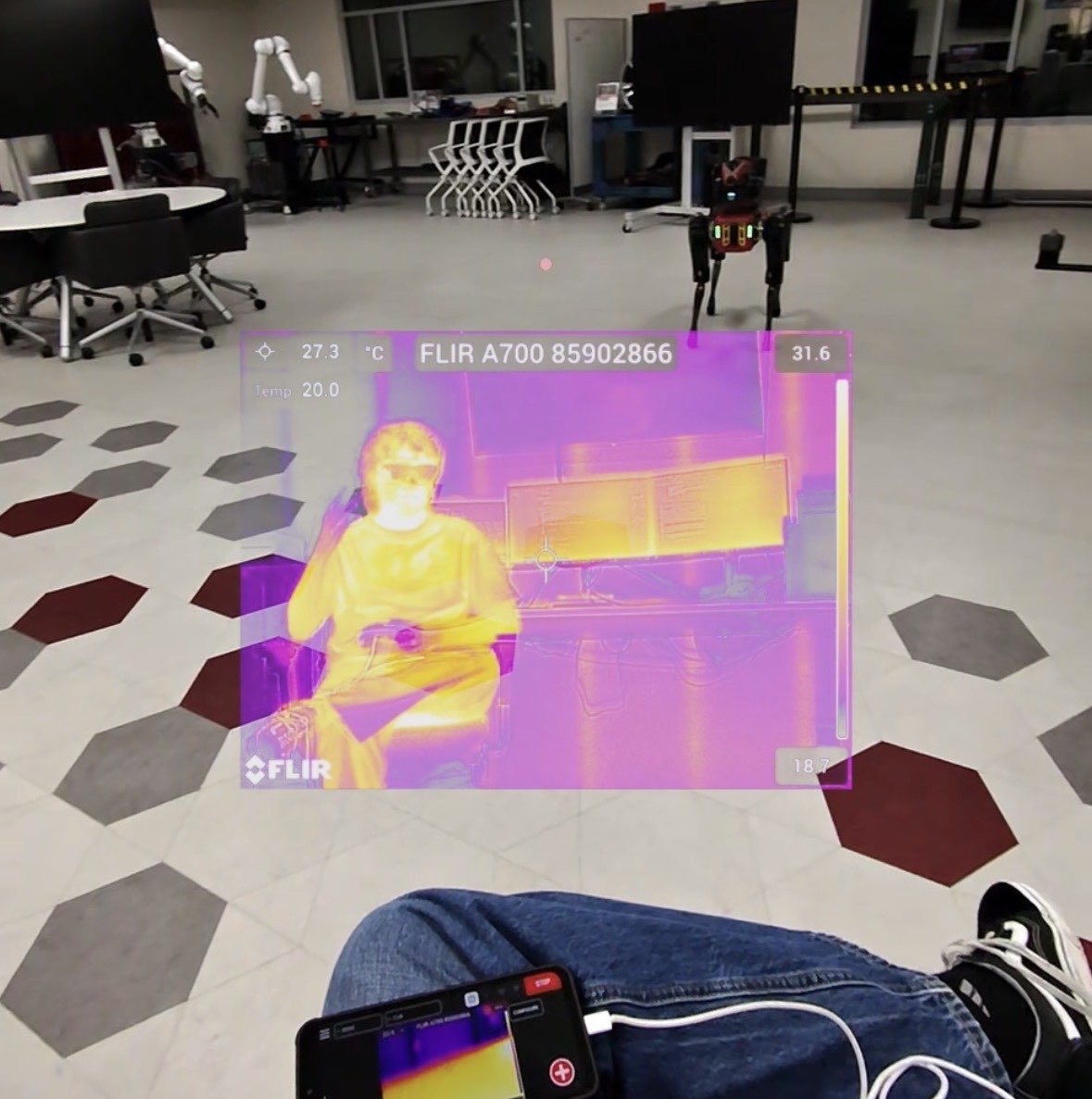
A project called Spot Glass streams the body cameras of a Boston Dynamics Spot robot, and a FLIR thermal camera riding on it, into the web-app slot on Meta Ray-Ban Display. It also carries a warning the developer wrote about their own code: "A tunnel hostname is public: anyone with the URL can watch the feed. Put it behind Cloudflare Access before deploying for real."
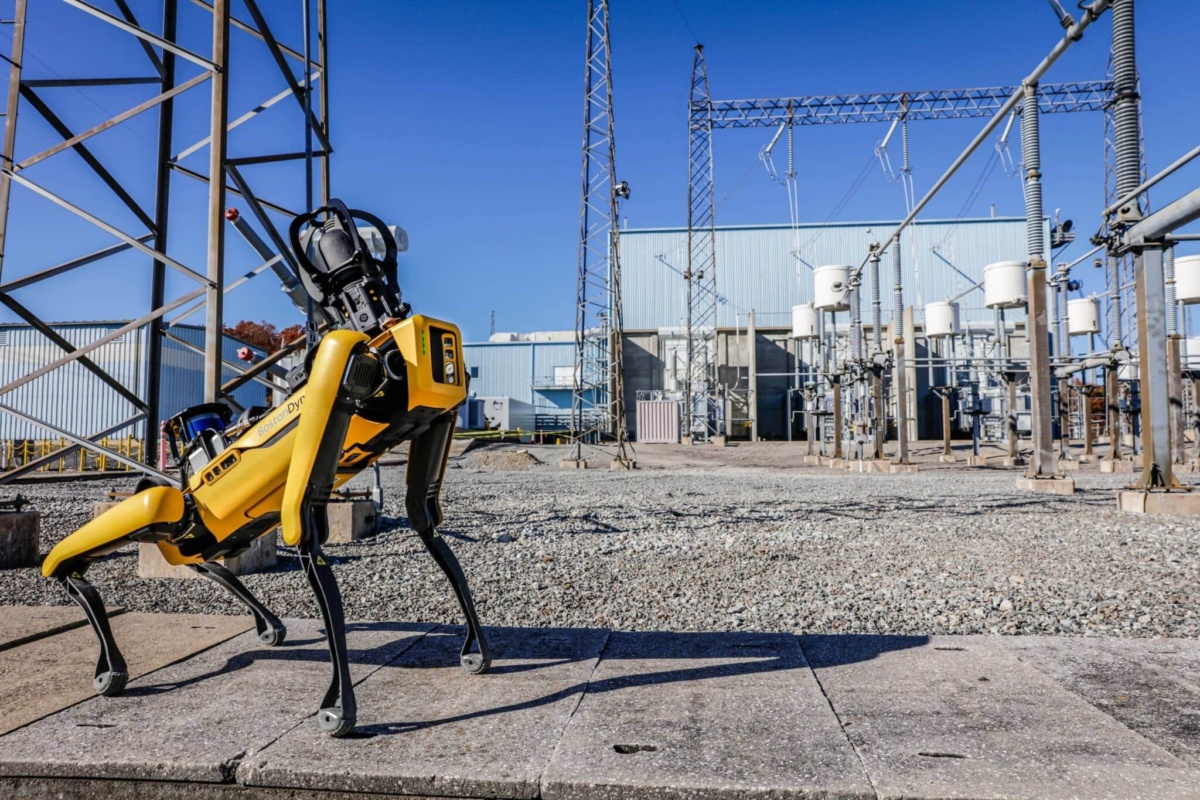
A Spot robot carrying a sensor payload at an electrical substation. Spot Glass streams the robot's own camera feeds, including a thermal view, to the glasses. Image: Boston Dynamics
The project was created on October 8 at 05:00 UTC and its last commit landed at 05:39 UTC the same day. It is MIT licensed, and it sat at one star when read at 21:24 UTC on October 8.
Two camera sources, one outbound tunnel
The README describes two feeds. The first reads Spot's body cameras "through the robot's authenticated image service", with the two front cameras "de-rotated and stitched into a single panorama" and a setting that trims the black corners de-rotation leaves behind; the selectable views are front, front left, front right, back, left and right. The second is an RTSP payload camera, which in the project's own photograph is a FLIR A700.
Each relay "holds a connection to its camera in a background thread, keeps only the newest frame, and serves it as MJPEG". Nothing listens for inbound traffic: cloudflared "connects out to Cloudflare, so no inbound ports are opened", and the relays themselves bind to 127.0.0.1 on ports 21001 and 5000. Four routes come out the other end: a viewer page, an MJPEG stream, the latest single JPEG, and a health check that returns 200 "if a frame arrived in the last 10 s, otherwise 503". Both relays can share one public hostname, with the Spot routes matched ahead of the catch-all.
The published defaults are modest, and they are defaults rather than measurements: 10 frames a second in and out, JPEG quality 60, and anything wider than 480 pixels downscaled. The viewer page targets the glasses' 600x600 panel and "falls back from MJPEG to snapshot polling if the stream doesn't render", which is a useful note about how the Ray-Ban Display browser handles a long-lived response.
What a Cloudflare tunnel does and does not do
A Cloudflare tunnel works by having cloudflared dial out to Cloudflare, which is why the project can say no inbound ports are opened. The hostname the tunnel then answers on is an ordinary public DNS name. Cloudflare Access, which the project names as the thing to put in front of it, is Cloudflare's own authentication layer for a tunnelled service.
Boston Dynamics and Meta have no part in it
The de-rotation and the stitching are described in the README, not demonstrated. No frame rate, latency or range figure is published. Meta's only involvement is having opened the glasses to web apps at all. The thermal relay is also packaged as a Spot CORE I/O Extension, which is the robot's own add-on format.
Getting any web app onto the glasses runs through Developer Mode and Meta's own "Add a Web App" entry under app connections, which is the only route Meta offers and the same one every other Ray-Ban Display project has had to use. Meta publishes no store for these, so each one circulates as a URL.
It is not the only project aiming at that 600x600 slot. Another developer put an entire Android phone on the display by squashing it into a square. Where that one wants your messaging apps on your face, this one wants a thermal picture of whatever the robot is looking at.

