
RAM chip prices may level off in 2027, TrendForce says, but cheaper PC upgrades are not guaranteed
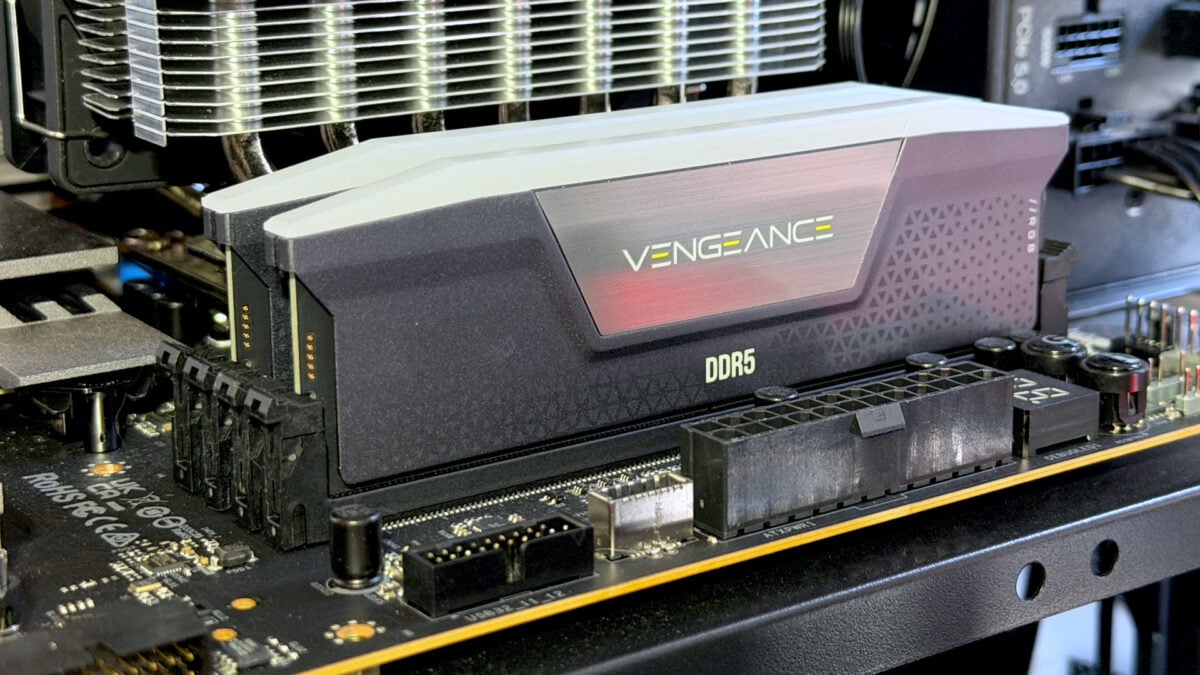
There may eventually be some relief in sight for the memory market, but TrendForce’s latest forecast is not a promise that a DDR5 kit will suddenly get cheaper next month. The research firm sees two possible paths for DRAM contract prices over the next two years.
In its base case, TrendForce expects the pace of price increases to narrow through 2027, with prices potentially levelling off in the second half before declining in 2028. A less optimistic demand scenario could bring the downturn forward to the final quarter of 2027.
Those are projections for industry contracts, not retail prices for the RAM in your shopping cart. Still, they offer a useful update for anyone trying to understand why memory costs remain such an awkward part of planning a PC build.
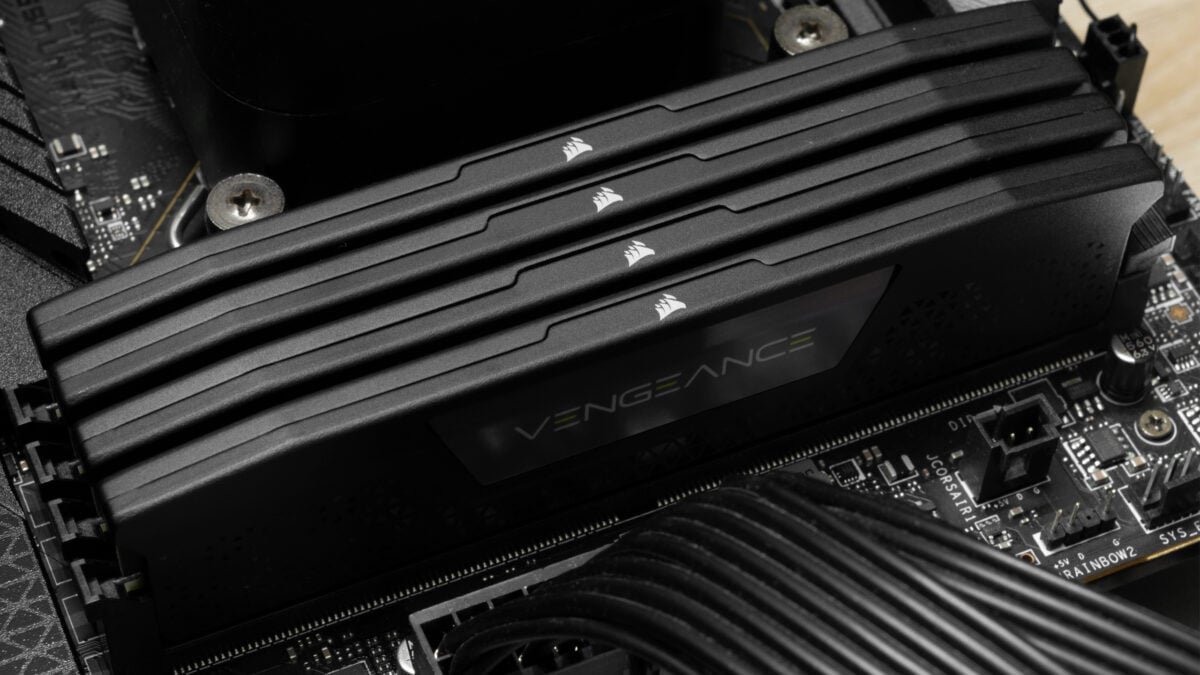
A desktop memory kit. The forecast concerns DRAM contracts, not the price of this kit. Image: Tom’s Hardware
Illustrative image: the desktop RAM shown is not the memory inside the laptop linked below.
What the two DRAM scenarios actually say
In its November 27 report, TrendForce says some supply-chain companies have been reassessing production and sales plans for 2027 and 2028. It points to uncertainty around data-center demand, financing and restrictions on access to advanced chips and computing resources.
The base case assumes conventional DRAM contract-price increases get smaller through 2027. TrendForce says they could stabilise in the second half before declining from the first quarter of 2028, as new capacity and production changes increase supply.
Its bear case assumes a sharper weakening in demand, including server makers cutting procurement and triggering inventory reductions across the supply chain. Under those conditions, the firm says conventional DRAM contract prices could begin falling in the fourth quarter of 2027. That is a scenario with conditions attached, not something the company says has already happened.
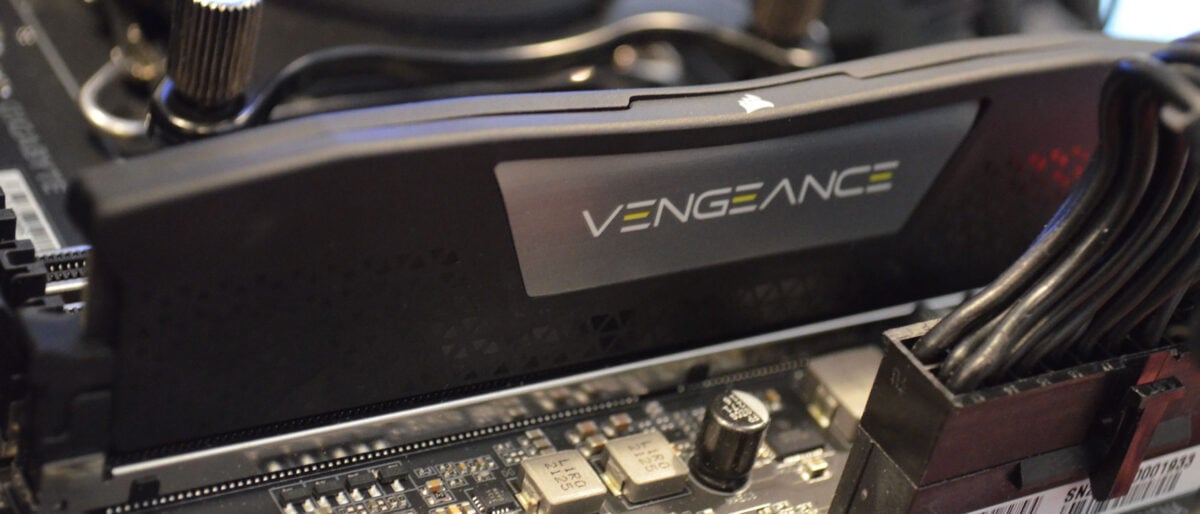
Finished RAM prices also reflect factors beyond the chip contract market. Image: John Loeffler / Future / TechRadar
Why your RAM kit might follow a different timetable
Contract prices are negotiated within the supply chain. A finished kit’s store price can also be affected by the amount and speed of memory, module and distribution costs, existing inventory, the retailer and your region. TrendForce has not supplied a date or price for a particular DDR5 kit.
The new report follows the firm’s earlier NAND and DRAM outlook, in which it expected DRAM supply to remain tight through 2027 even as the pace of increases slowed. The newer downside scenario describes what could happen if demand weakens more sharply; it does not make that earlier outlook a guarantee or establish that retail prices are already falling.
If you need more memory now, I would start by checking your motherboard or laptop’s supported type, capacity and upgrade options. Then compare the configurations that fit your workload rather than waiting for a specific retail discount that the forecast cannot promise.
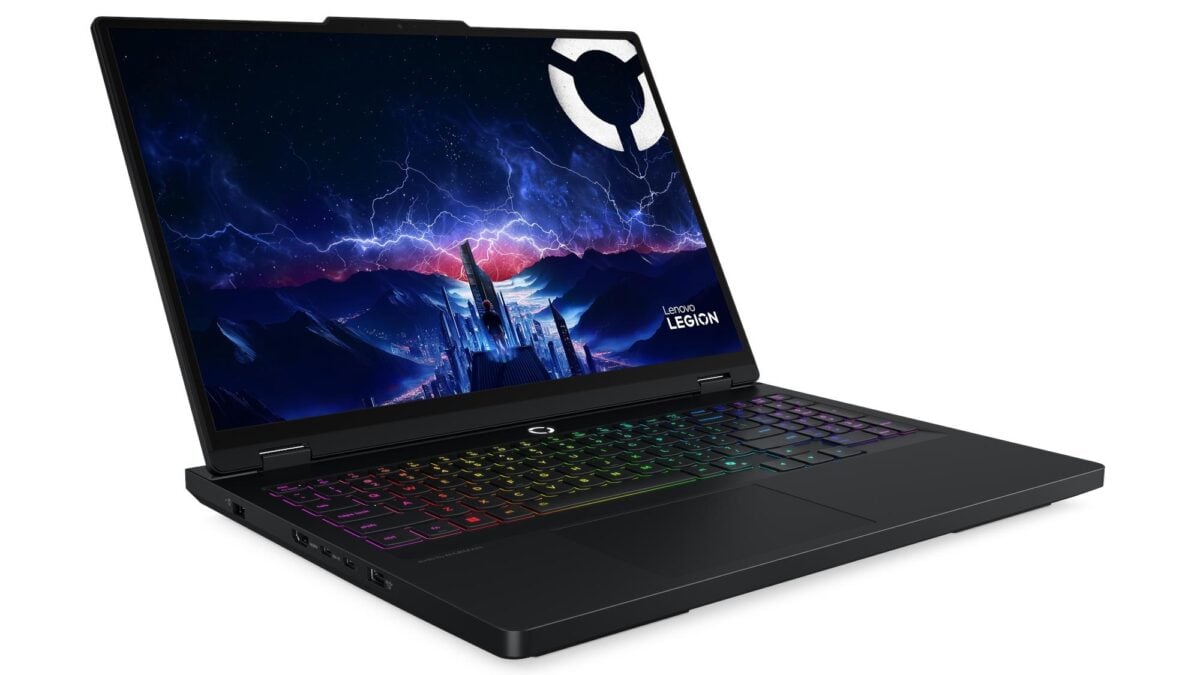
Lenovo lists the linked Legion Pro 5i configuration with 16GB of memory. Image: Lenovo
Buying a complete PC is a separate decision
Some readers may already be shopping for a gaming laptop rather than a memory upgrade. Lenovo lists the Legion Pro 5i configuration with 16GB of DDR5 as one example. Check the retailer’s current specifications and price, and consider how much memory your own games and applications need.
That laptop is not a substitute for a RAM kit if your current machine only needs an upgrade, and its price is not evidence of where the wider DRAM market is headed. You do not need to replace a working PC because of a forecast.
Image credit: Future / PC Gamer; Tom’s Hardware; John Loeffler / Future / TechRadar; Lenovo.
MIXED may earn a commission from purchases made through affiliate links.

