
The flash inside SSDs could get cheaper in 2027, but RAM supply may stay tight, TrendForce says
There may be some relief ahead for the flash memory used in SSDs, according to a new TrendForce forecast. The research firm expects NAND flash contract prices to move downward in 2027 as supply grows and some large buyers reduce their orders.
That does not mean the SSD in your shopping cart is guaranteed to get cheaper on a particular date. TrendForce is discussing contract prices in the memory supply chain, while retail prices also reflect the drive maker, capacity, controller, inventory, region and store.
The picture for RAM is different. In its November 25 outlook, TrendForce expects DRAM supply to remain tight through 2027, even though it believes the pace of quarterly price increases could slow.
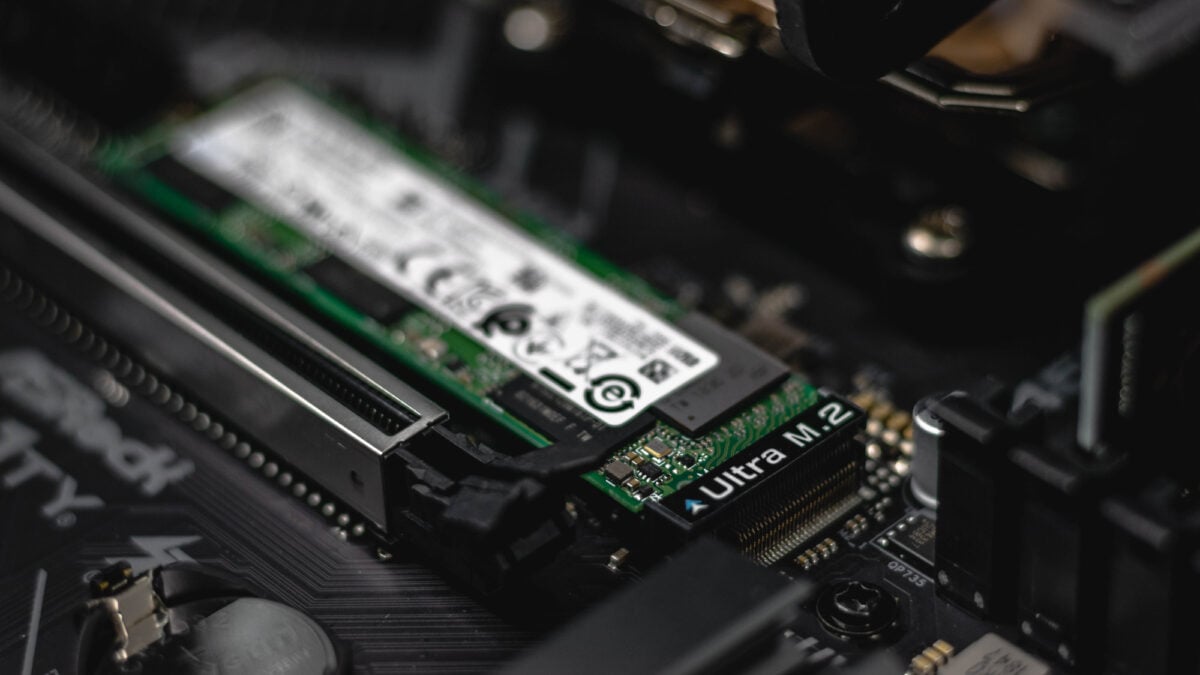
Illustrative image: the SSD shown is not the TeamGroup drive linked in this article.
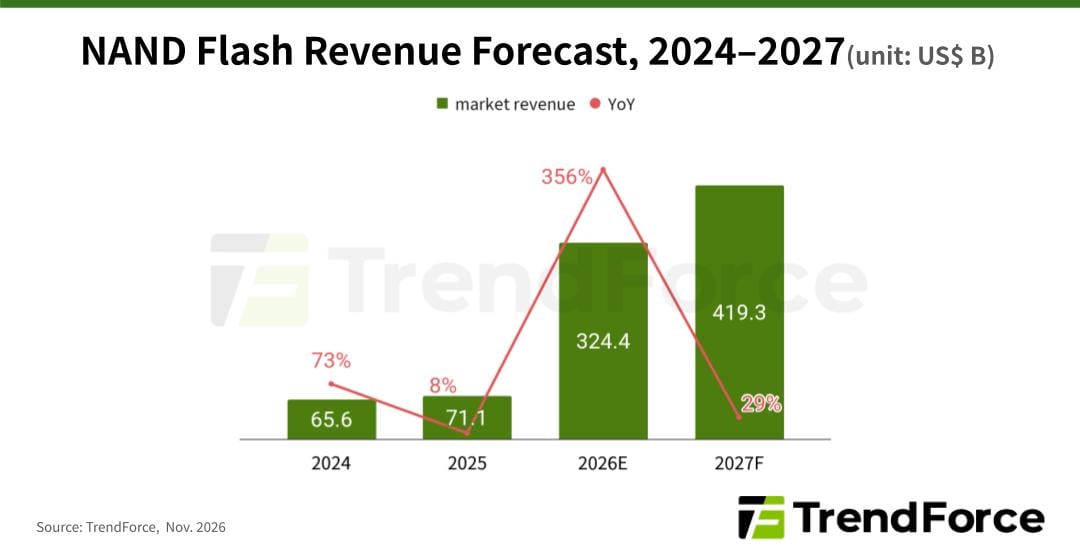
TrendForce’s chart shows revenue, not the price of a particular SSD. Image: TrendForce
Why TrendForce expects NAND contract prices to ease
TrendForce says some Chinese cloud providers have reduced their plans to buy enterprise SSDs in 2027. In its analysis, those cuts outweigh additional orders from North American cloud customers, while manufacturing capacity and changes in production technology should increase the amount of flash supplied.
In a separate November 19 forecast, it estimated that overall NAND contract prices could fall by 0% to 5% quarter over quarter in the first three months of 2027. It expects a broader downward cycle from the second quarter. These are forecasts, not observed future prices.
TrendForce also published a chart of NAND industry revenue and its forecast for 2027. It is not a chart of what any particular 1TB or 4TB drive will cost at a retailer.
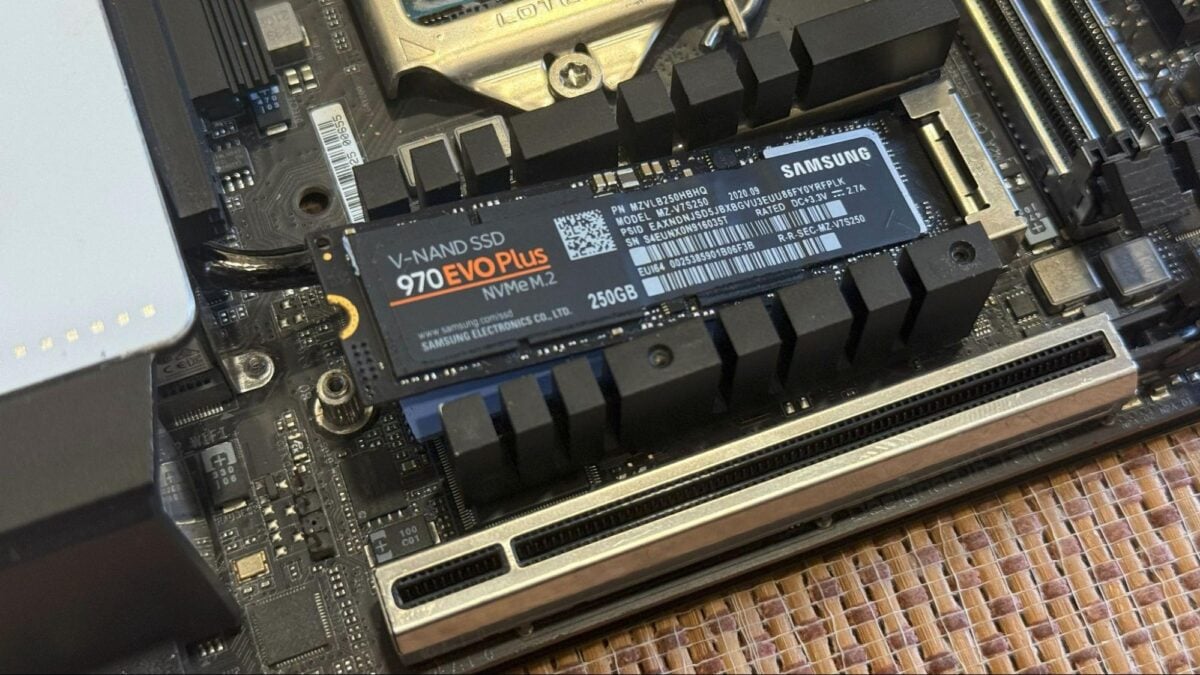
An M.2 SSD installed in a desktop motherboard; this is not the TeamGroup model linked below. Image: Tom’s Hardware
Why RAM and finished PCs may not follow immediately
DRAM and NAND are different kinds of memory, with different demand and supply pressures. TrendForce expects DRAM to remain undersupplied through 2027, with increases in contract prices narrowing over time and potentially leveling off in the second half.
The firm also expects PC and phone makers to face upward cost pressure after exhausting lower-cost memory inventory. Some brands may reduce storage capacity in parts of their product ranges to manage costs, it says. That is a forecast about possible manufacturer decisions, not a promise about any particular laptop.
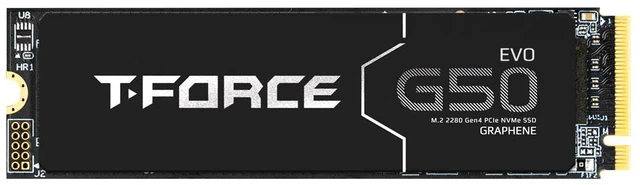
The TeamGroup G50 EVO is one example of a consumer M.2 SSD. Image: TeamGroup / Newegg
What I would check before buying an SSD
If you need storage now, I would compare the price and capacity you need today rather than assuming this forecast guarantees a better deal next month. Make sure your computer has a compatible M.2 slot and the physical space for the drive; an adapter or a different form factor may be needed on some systems.
For example, Newegg lists a 4TB TeamGroup T-Force G50 EVO PCIe 4.0 SSD. That is one consumer drive, not a measure of the whole NAND market. Check its current price, seller and compatibility before ordering.
TrendForce’s forecast gives buyers a reason to watch the supply chain, but it is not a timetable for store shelves. For RAM in particular, the firm still sees tight supply ahead.
Image credit: Christian Wiediger / Shutterstock / TechRadar; TrendForce; Tom’s Hardware; TeamGroup / Newegg.
Note: Links to online stores in articles can be so-called affiliate links. If you buy through this link, MIXED may receive a commission from the provider. For you the price does not change.
As an Amazon Associate we earn from qualifying purchases.

