
Meta open-sourced the Muse gadget SDKs, but its own Home Link can't be reflashed
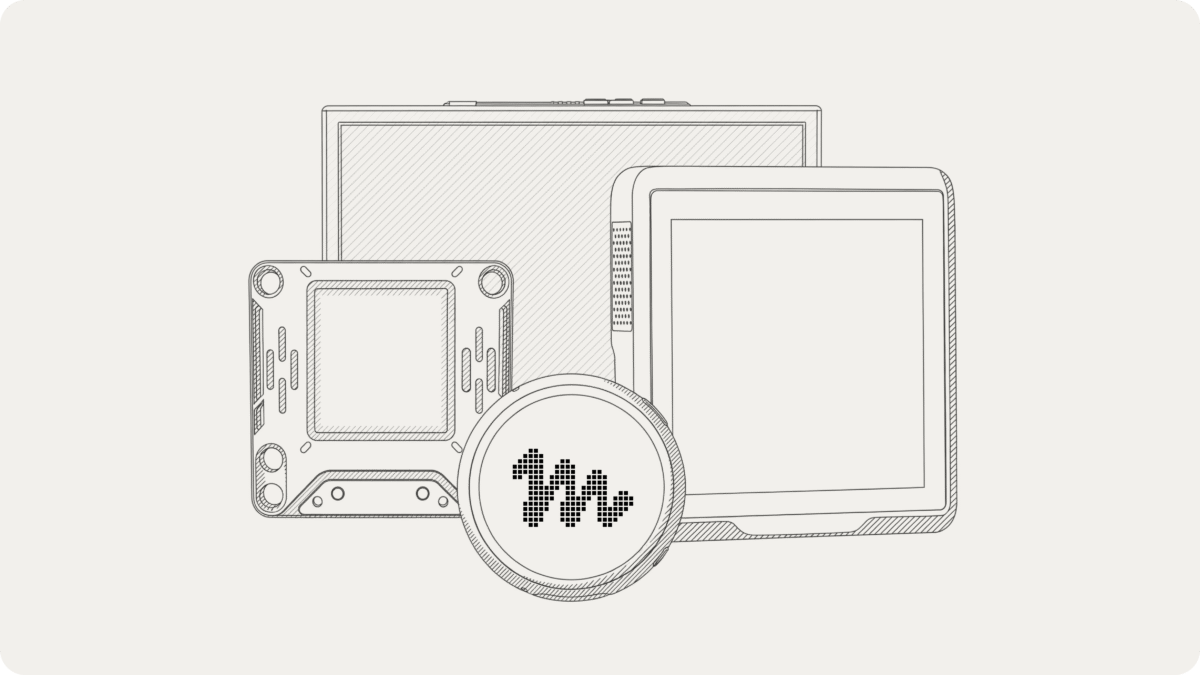
Meta has open-sourced the device SDKs and firmware behind Muse Gadgets, a project that turns an off-the-shelf ESP32 board or a spare Raspberry Pi into hardware its Muse assistant can drive. The one piece of hardware Meta built itself is the exception. "Muse Home Link itself only runs official firmware and can't be reflashed," Meta's page for the device says.
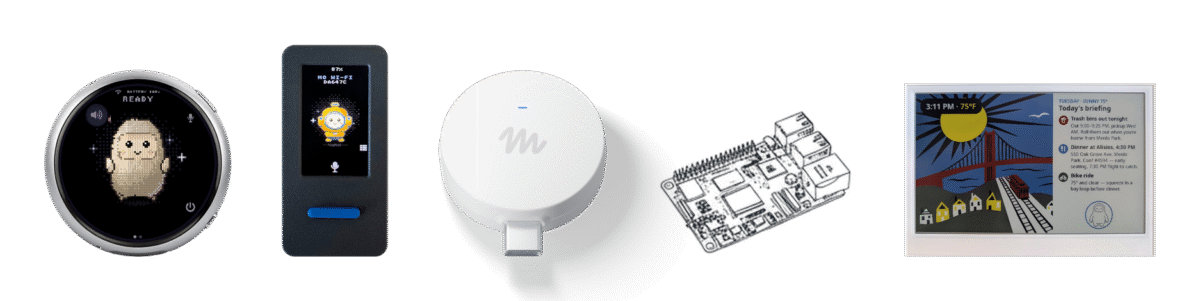
Meta's own line-up for the project, with Home Link third from the left. Everything either side of it can be reflashed. Image: Meta
The code sits in facebookincubator/muse-gadget-sdk on GitHub under the Apache 2.0 licence, in two parts: an ESP32 Device SDK and a Linux Device SDK that will "turn that spare Raspberry Pi or Linux box into a Muse gadget". Meta's own framing is not corporate. "It's built by hackers, for hackers, just for fun," the README says, warning that the side effects of tinkering "may include bricked boards, voided warranties, brownouts, or bankruptcies".
Home Link is an ESP32-C5 stick for your home network
"Home Link is a USB-C gadget built on the ESP32-C5 chip. Its firmware is based on the open source ESP32 Device SDK, so you can see how it works and build your own gadget on an ESP32 board," Meta writes. The job it does is bridging: it connects Muse to your home Wi-Fi "so it can reach compatible devices you already own, or anything you build with a local HTTP API", which in practice means the lights, televisions and printers that community-built skills can reach, depending on your setup.
Read at 21:26 UTC on October 3, Meta's gadgets page offers it "free with an active Muse subscription in the United States only, limit one per subscriber", and says it "ships in October, first come, first served". Meta's Nat Friedman posted on October 2 that the company "manufactured a batch of 5000 Home Links". At that volume, first come, first served is doing real work.
What it takes to build one yourself
Every gadget needs an SDK token from Meta's settings page, and Meta asks you to review the Gadget SDK Terms before you flash or pair anything. Pairing runs through the Muse app on iOS and Android, under Settings and then Devices, with Developer mode switched on first; a new build shows up with a name prefixed "MuseGadget".
Meta lists boards it has already written configurations for, each with a link to buy it and a link to its source: a Raspberry Pi 5, the Waveshare ESP32-S3-Touch-AMOLED-1.75C with a round 1.75 inch touch screen, a Seeed reTerminal E1002 with a colour e-ink display, an M5Stack StickS3, an AiPi Lite and an ideaspark ESP32 with a 1.9 inch display. An HDMI stick called Muse on your TV is listed as coming soon. The repository was still being changed through October 3, with commits up to 19:06 UTC.
The licensing is the ordinary kind for a Meta release. Apache 2.0 covers the SDKs and firmware "provided as-is, without warranty", two bundled third-party files keep their upstream terms (minimp3 under CC0-1.0 and an Adafruit GFX font under BSD-2-Clause), and the Jollybot avatar artwork is carved out of the Apache licence entirely.
This is the gadget project, not the glasses
Nothing on either page mentions eyewear. Muse is the assistant Meta has said will run on its glasses, and it already answers to its own name with an email address of its own, but these SDKs are about boards on a workbench and a dongle on a desk. A Ray-Ban Meta owner gets nothing new out of this release.
What a developer gets is the full stack for a device class Meta is only starting to define, published early and under a permissive licence, with the usual asymmetry attached. The SDK is yours to change. The hardware with Meta's name on it is not.

