
Reading all of Claude's output would take half an Anthropic worker's week
Anthropic's non-technical employees would need more than half their working week just to read everything their Claude agents produce, according to new research from the company. The figure is an estimate based on how much text the agents generate and an average reading speed, not a measure of how staff actually spend their time.
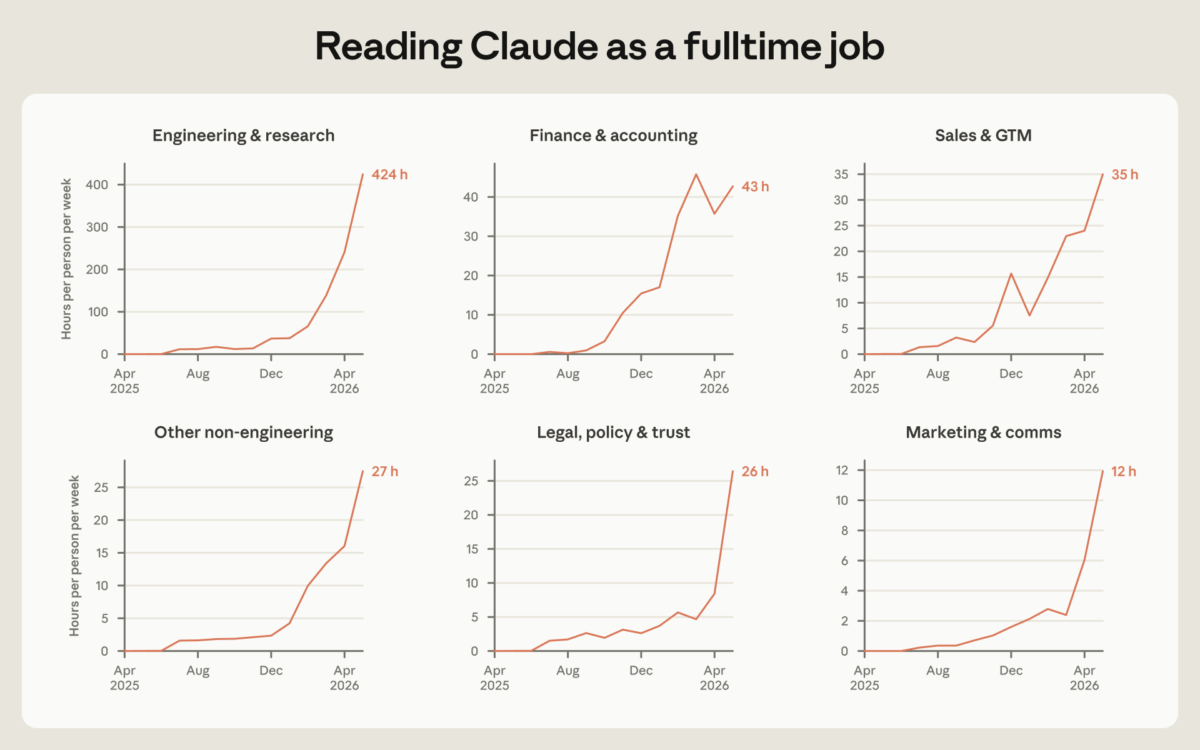
Figure 6, Anthropic's estimate of the hours it would take to read all of its agents' output. Image: Anthropic
"Human attention is a constant bottleneck," the researchers write.
Agents spend most of their time waiting
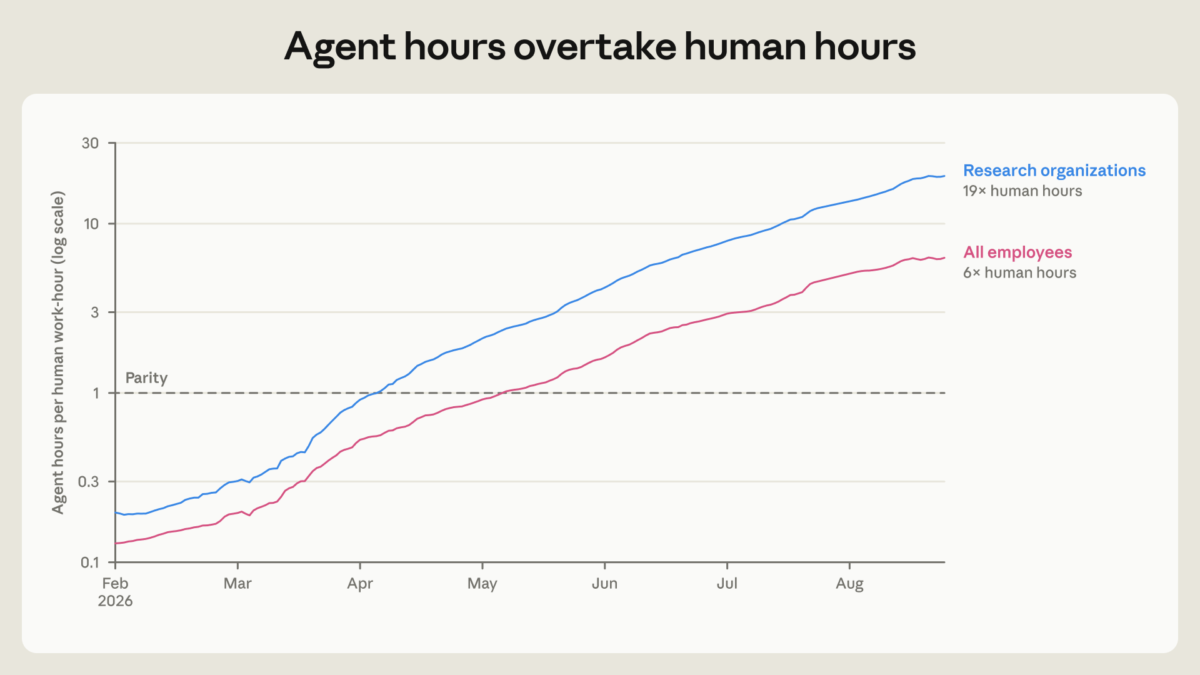
Anthropic found that about 80% of an interactive Claude session is spent waiting for a person to respond. In March 2026 the total hours worked by its agents passed the hours worked by its staff for the first time.
Employees describe facing "an army of Claudes, with every one asking for my attention", and one engineer compared it to babysitting. In an April staff survey, 20% said their role had shifted from doing the work to managing Claude, and 27% reported productivity gains.
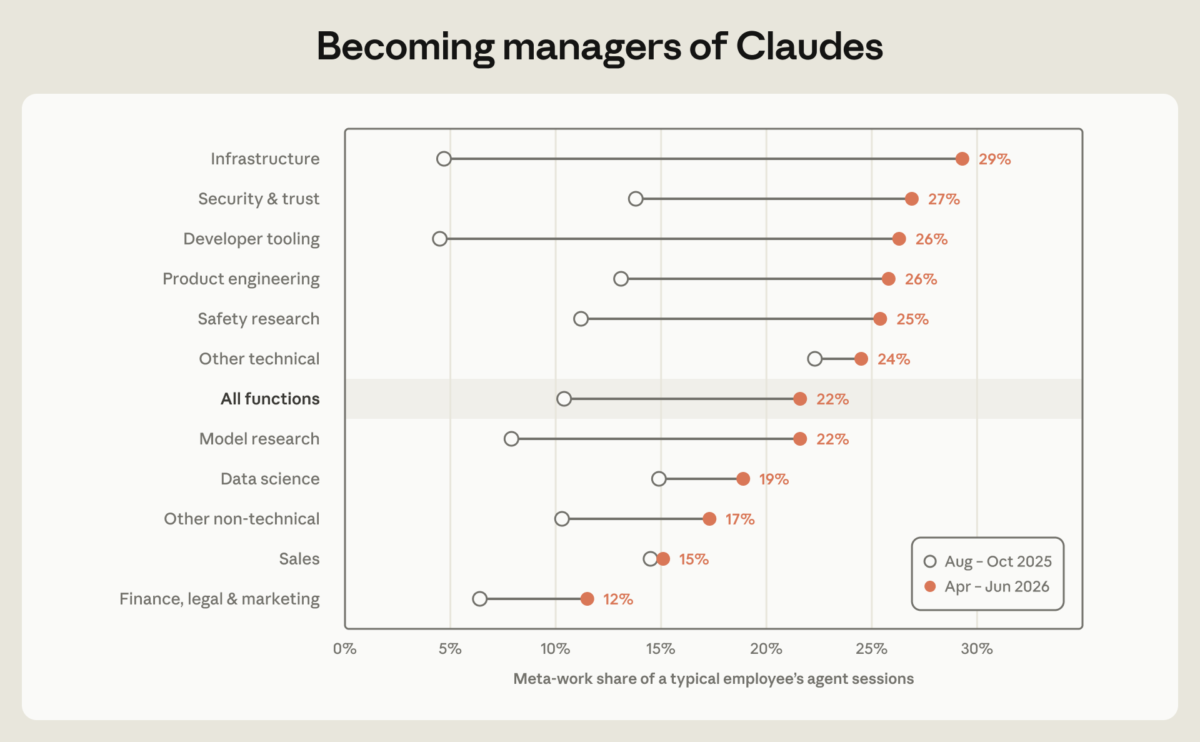
Figure 7, the share of interactive Claude sessions Anthropic classifies as meta-work. Image: Anthropic
More time managing the agents
Staff increasingly spend their Claude sessions on what Anthropic calls meta-work: writing specifications for agents, having one agent check another's output and watching automated pipelines. That share rose from 10% of sessions in autumn 2025 to 22% in spring 2026.
Written instructions for agents grew from a few hundred in July 2025 to 8,500 a year later. One engineer set up an agent chief of staff to sort requests from other agents. A design team that used to write the greetings on Claude.ai built a system for agents to write them instead, then moved on to writing evaluations and prompts for Claude.
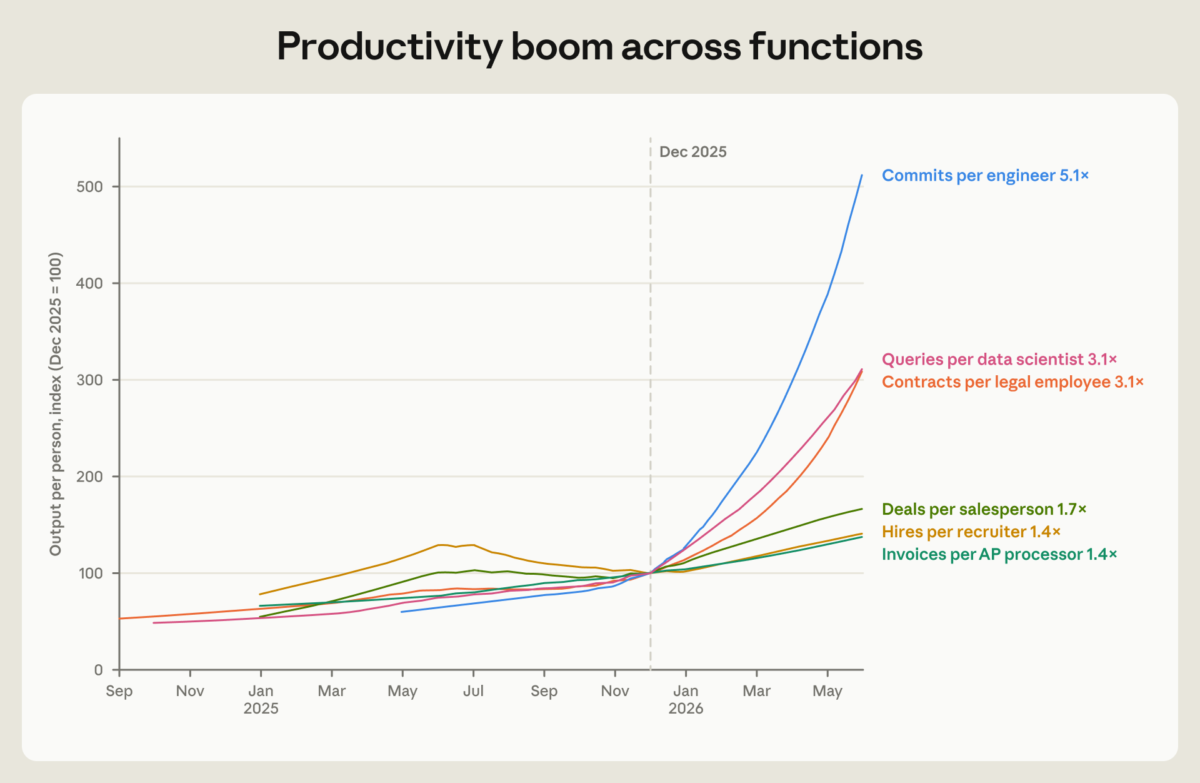
Figure 3, output by job function on an indexed scale rather than an absolute one. Image: Anthropic
Output is up
Anthropic says engineers now commit code five times faster than six months ago, and that lawyers, accounts staff and salespeople are getting more done too. Those figures show trends rather than absolute amounts.
All the data comes from Anthropic studying itself, including interviews with 17 employees selected by the company. It follows the company's earlier claim that Claude leads 26% of its AI research work.

