
AMD says older Radeon cards have an SSD write fix, but there is a game-related catch
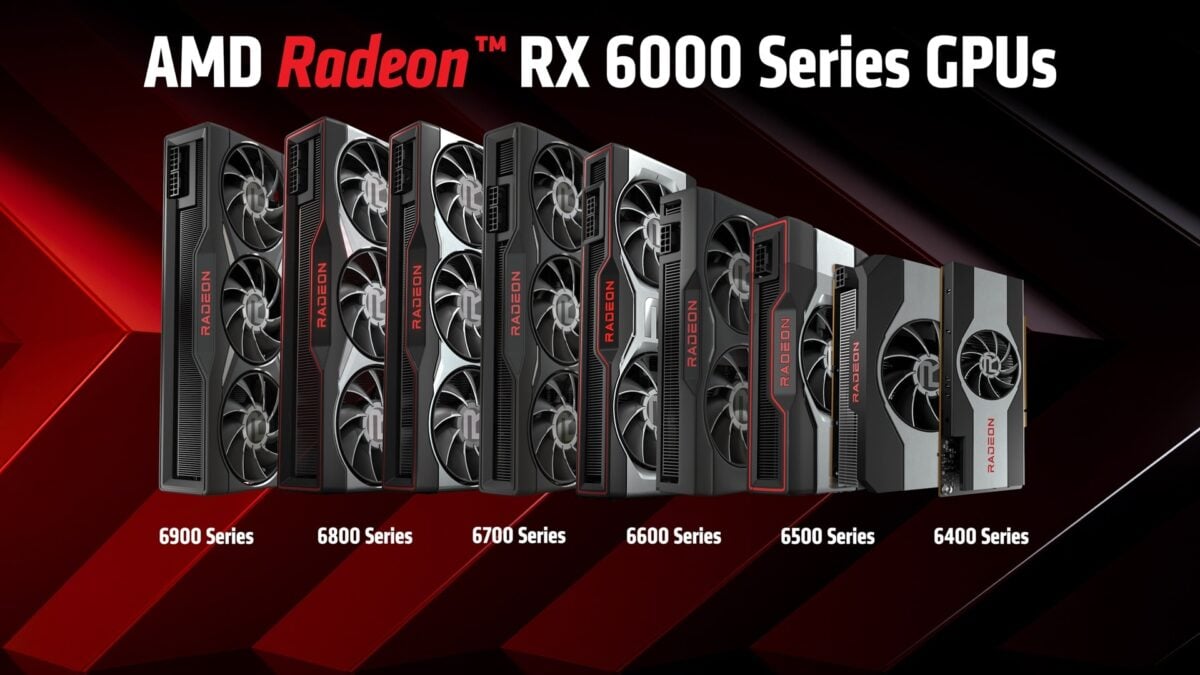
AMD’s latest Radeon driver includes a fix for excessive system-drive writes on RX 5000 and RX 6000 graphics products. The idle-write issue listed for those older cards applies when they are used with Windows 10.
The change arrives in Adrenalin Edition 26.11.2, after an earlier driver addressed a similar idle-write problem on RX 7000 and RX 9000 products. It gives owners of older cards a more specific entry to check in AMD’s notes.
In the 26.11.2 release notes, AMD says excessive writes could be observed while the system is idle on RX 5000 and RX 6000 products using Windows 10. The company does not say that every card or every Windows 10 system was affected.
AMD describes writes to the system drive; it does not identify a particular SSD model. Image: Przemek Leśniewski / Pexels
The fix has a specific operating-system limit
That Windows 10 wording is important if you are trying to match the notes to your own PC. It does not establish that the same idle issue affected every older Radeon system running Windows 11.
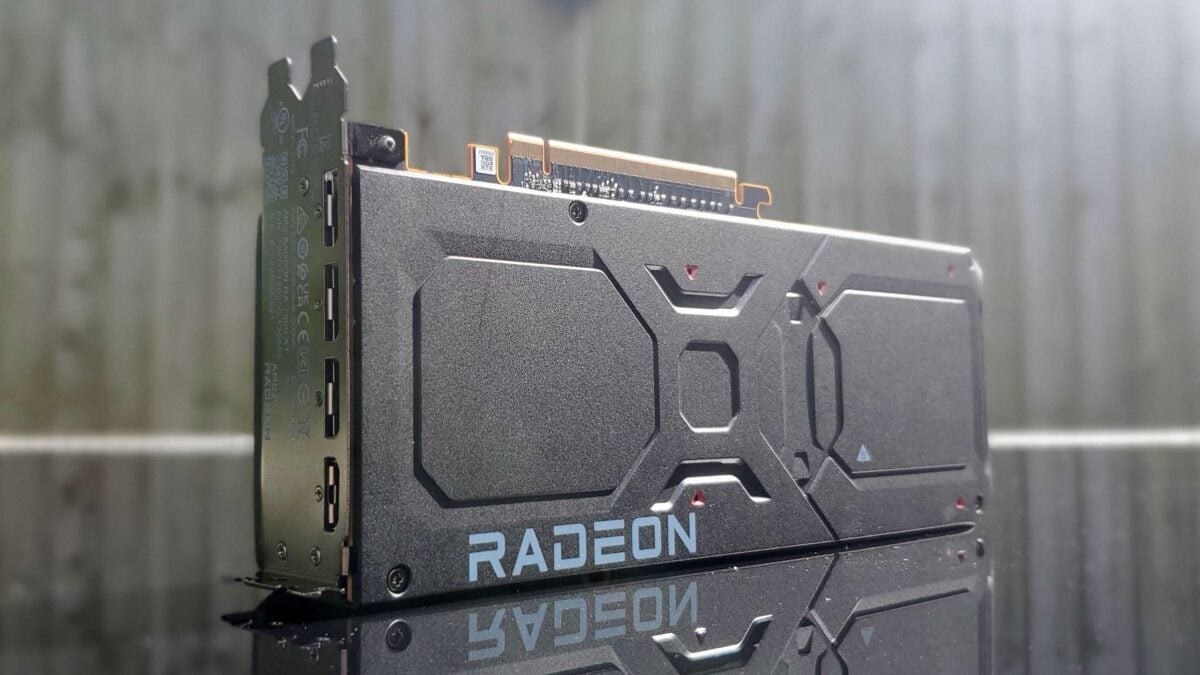
An illustrative Radeon card; AMD does not identify this individual card as affected. Image: Future / PC Gamer
AMD’s preceding 26.11.1 release addressed excessive idle system-drive writes on RX 7000 graphics products and newer, along with a separate excessive-write scenario involving moving or resizing application windows. Our earlier report covers that update.
High disk activity alone is not enough to prove this specific issue caused it, and the notes do not tell us how much wear an individual SSD experienced. Check the process involved and compare your software and hardware with AMD’s stated conditions.
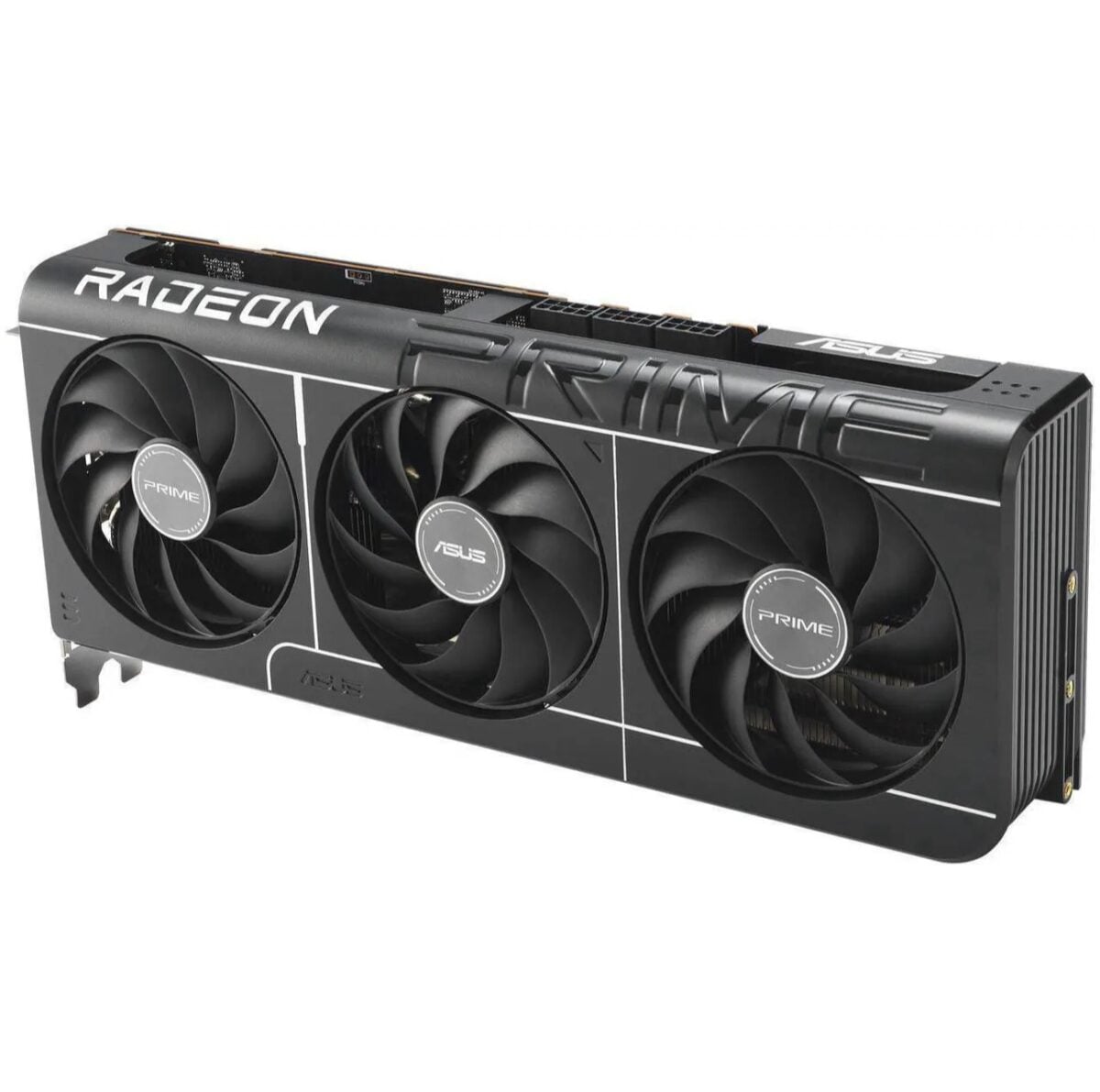
An illustrative ASUS Radeon card, not the XFX model linked below. Image: ASUS / PC Gamer
Read the known issues before updating
The release also lists a fix for visual corruption in character hair in Phantom Blade Zero on RX 9000 cards. For RX 6000 owners, AMD warns that Crimson Desert may fail to launch and recommends 26.11.1 for users who encounter that problem.
That trade-off is worth considering if you play the game. AMD also advises laptop owners to check the driver provided by their computer manufacturer, which may include system-specific support.
You do not need a new GPU to apply a software fix. For a separate build, the XFX Radeon RX 9070 XT is an example from the newer RX 9000 range; it is not the older RX 5000 or RX 6000 hardware named in the Windows 10 idle-write note.
Image credits: AMD; Przemek Leśniewski / Pexels; Future / PC Gamer; ASUS / PC Gamer.
Note: Links to online stores in articles can be so-called affiliate links. If you buy through this link, MIXED receives a commission from the provider. For you the price does not change.
As an Amazon Associate we earn from qualifying purchases.

