
An unannounced Xreal AR glasses computing kit cleared the FCC with Wi-Fi 6E at 160MHz
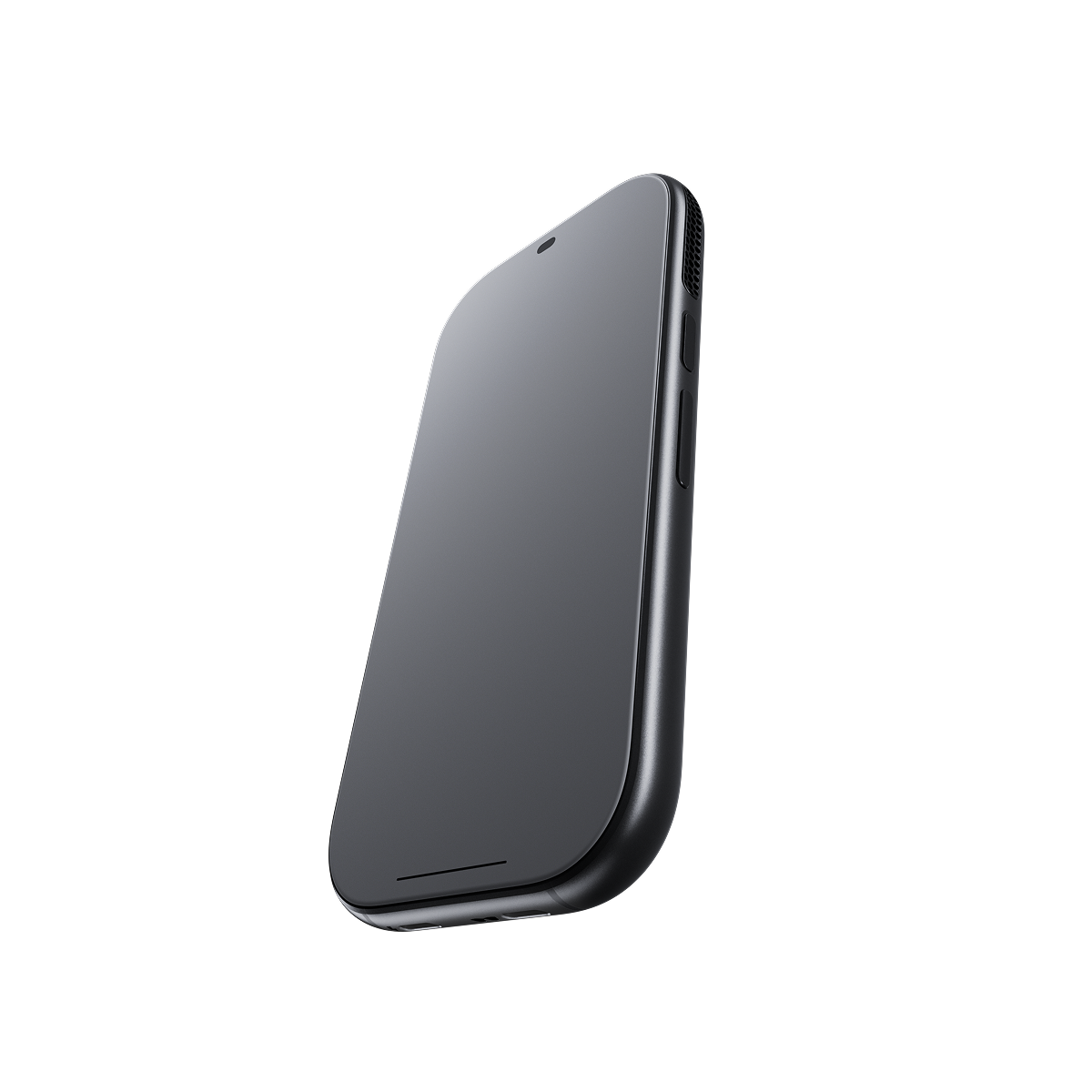
Four FCC equipment-authorisation grants issued on October 8 cover an Xreal device the paperwork calls an "AR Glasses Computing Kit", a phrase that matches nothing Xreal has announced or lists in its own store. All four sit under FCC ID 2BBNY-B6111, all were applied for on September 11, and all were certified by NMi TESTLAB GmbH of Blomberg, Germany, for Xreal Inc. of Sunnyvale, California. The grant text was read at 21:36 UTC on October 10.
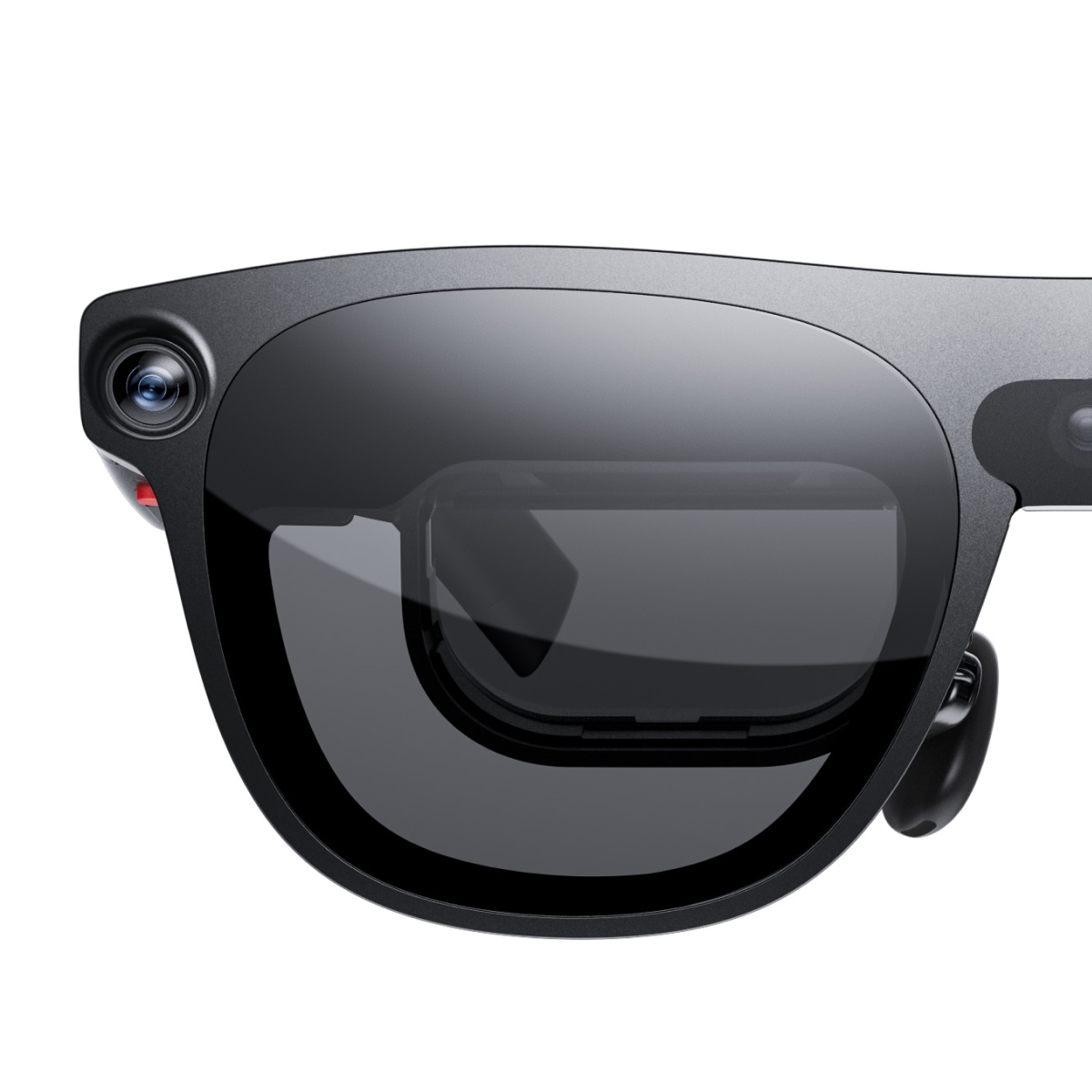
A close-up from Xreal's own store art, showing a camera at the outer corner of the frame and a waveguide stack behind the lens. The October 8 filing carries no photograph of the device it covers. Image: Xreal
The headline radio is Wi-Fi 6E. One grant covers the equipment class "15E 6 GHz Low Power Indoor Client" across 5955.0 to 7115.0 MHz at 0.059 W EIRP, and its notes say the device supports "IEEE 802.11 a/ax 20, 40, 80 and 160 MHz channel bandwidths". A 160MHz channel is the width a device reaches for when it has a lot of video to move and a short distance to move it.
The other three grants cover the older bands
A digital transmission system grant covers 2402.0 to 2480.0 MHz at 0.00906 W, plus a MIMO entry at 2412.0 to 2462.0 MHz and 0.05 W, with support for "IEEE 802.11 b/g/n/ax 20 and 40 MHz channel bandwidths". A spread-spectrum grant covers the same 2.4GHz range at 0.01538 W peak. The fourth, for unlicensed national information infrastructure, covers four 5GHz blocks between 5180.0 and 5825.0 MHz at 0.05 to 0.056 W, with 80MHz channels. Every grant carries the line that the device "has integrated DSS, DTS, NII and 6XD transmitters certified under the same FCC ID", so this is one radio package, not four products.
The paperwork treats it as something carried on the body
Each grant limits body-worn compliance to "belt-clips, holsters or similar accessories" with no metallic component, holding the device at least 5mm from the user. The highest reported body-worn SAR value differs by grant, from under 0.10 W/kg on the spread-spectrum entry to 1.18 W/kg on the digital transmission system entry, and all four report 1.18 W/kg for simultaneous transmission. The 6GHz grant adds a highest reported power density of 1.94 W/m2. Those are compliance measurements taken to a limit, not a verdict on anything.
The grants authorise a radio, not a product. They do not say which glasses the kit is meant to drive, they name no chipset, they use the word Aura nowhere, they never mention Android XR, and they set no date. B6111 is the newest of five FCC IDs under grantee code 2BBNY, which Xreal has held since June 2023. The one before it, 2BBNY-X7012, has a grant date of September 29 and covered a keyboard, and that is the Xreal filing whose exhibits did name Aura.
So the useful detail is the radio rather than the name on it. A 6GHz indoor client with 160MHz channels, a 5mm separation condition and a body-worn SAR figure describes something carried on the person that moves video over a short distance. Xreal has put the compute for its glasses in a separate unit before, and four versions of one such product sit on the Aura store page that Xreal's own FAQ says are not announced.
Xreal applied on September 11 and had all four grants 27 days later, from a German test laboratory rather than a US one. Two of them carry the MIMO note, meaning multiple transmitted signals were evaluated at once.
An FCC grant authorises a radio and nothing else. It sets no launch date, promises no product and sits perfectly well on hardware that never ships. What the October 8 paperwork does establish is that Xreal has a glasses compute device far enough along to have gone through a German test laboratory and come out certified, under a name none of its products carry.

