
Wearable Devices wins a China patent allowance for measuring how hard you pinch
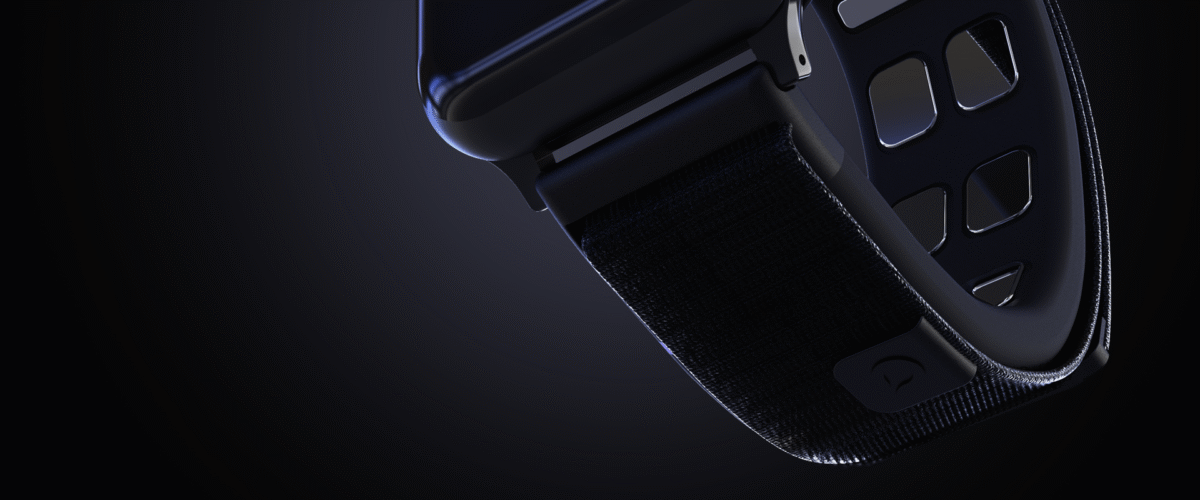
Wearable Devices says China's patent office has allowed an application covering how hard a pinch is, not merely whether the fingers met. The Israeli company announced the notice of allowance from the China National Intellectual Property Administration on September 23, and filed its own release with the SEC as an exhibit to a Form 6-K.
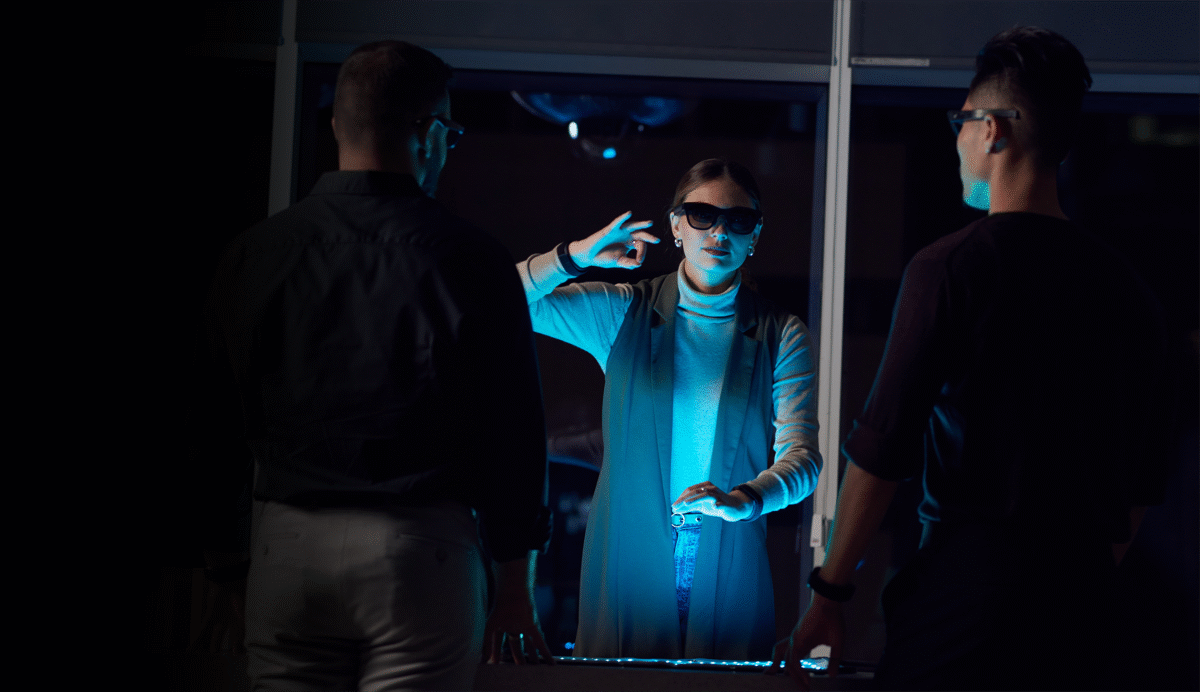
Wearable Devices' own image of the pinch gesture its band reads. Image: Wearable Devices
The application is titled "Method and Apparatus for a Gesture Controlled Interface for Wearable Devices." It extends a US-granted family covering a wrist-worn band that reads surface nerve conduction signals, the company's own term for surface electromyography, and turns hand and finger movement into commands without cameras, controllers or touchscreens.
The China allowance "specifically protects the Company's technological ability to measure the intensity of a gesture - not just whether fingers were pressed together, but how firmly," the release says. It compares the result to a dimmer rather than a light switch: a pinch that holds a value instead of flipping a state.
An allowance is not a granted patent
A notice of allowance says an examiner intends to grant. Wearable Devices gives no date for the grant, no application number and no filing date, and the release names no licensee, no partner and no product that ships with pressure-based control.
The wider portfolio now runs to 14 patent matters across the United States, China and South Korea, six of them granted. Priority dates go back as far as 2015 and protection runs as late as 2043, alongside the registered Mudra trademark.
"Human intent is grounded in physiology - you can't scrape it from the internet," said Guy Wagner, the company's chief scientific officer and co-founder. "It lives in the body's own signals: not just that someone picked something up, but how carefully they held it."
Wearable Devices is not alone at the wrist
Wearable Devices sells the Mudra Band, Mudra Link and Mudra Pro, and trades on the Nasdaq Capital Market as WLDS. The release lists three target markets for proportional control: consumer electronics, XR products and smart glasses; robotics and physical AI; and accessibility and healthcare, where it points to grip-strength measurement and rehabilitation.
It is not the only company reading muscle signals at the wrist. Meta has been building its own EMG wristband for years, and Meta CTO Andrew Bosworth said in 2024 that it would not replace Quest controllers. Wearable Devices' release names no rival, no partner and no customer.
Robotics is the use the release spends most warmth on, arguing that a wrist sensor can record how much force a person applies while working bare-handed, without the gloves or force rigs that change how an object is held. That is the company's pitch for its own technology, not a demonstration.
Anyone who has held a pinch in hand tracking and watched it register as nothing but on or off can see the appeal of a dimmer. What Wearable Devices has so far is an allowed application in China, with no grant date and no shipping product attached to it.

