
“We don’t want to be gatekeepers”: Valve responds to AI clone threats on Steam
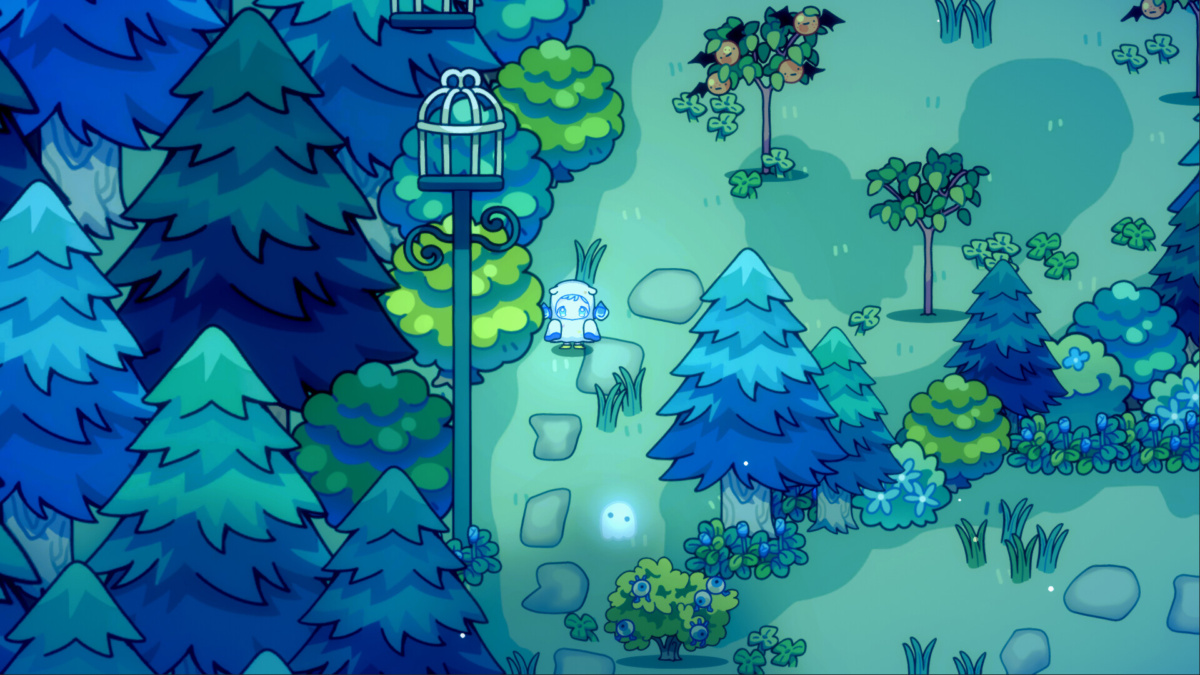
Valve says it does not want to dictate which tools game developers can use, after an indie developer raised concerns that creators were receiving emails threatening to copy their games with AI and release the copies first.
Speaking at Steam Indie Connect in Seoul on October 27, Valve’s Tom Giardino said the company wanted developers to be free to choose their tools. His comments came in response to a question about whether Steam could protect creators who were worried about showing games before release.
“We don’t want to be gatekeepers,” Giardino said, according to Inven Global’s report from the event. Its English account is a translation of the Korean reporting. The outlet describes the alleged extortion as an attendee’s account; it does not establish how widespread the messages are or whether the people sending them had created working copies.
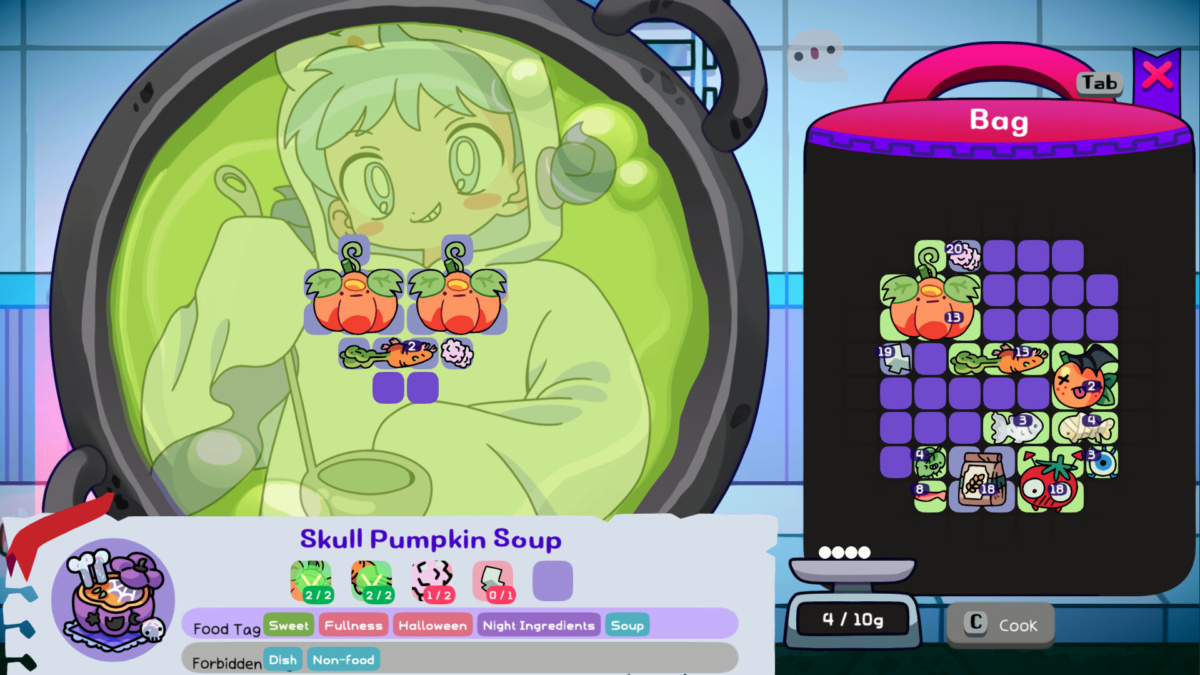
YNOT withdrew the Spookitchen demo after being told its game was being copied with AI. Image: YNOT
One attendee described emails warning that senders would “copy your game with AI and release it first”, according to Inven. That is the event attendee’s account, not a message the outlet says it independently reviewed.
The remarks leave indie teams with an uncomfortable trade-off. Demos and early store pages can help them find an audience before launch, but they also show potential imitators what a game looks like and how it plays. A threat to release a clone is a claim by the sender, not proof a finished copy exists.
Valve says developers can report threatening messages
Giardino said he was hearing about such extortion for the first time. According to Inven, he encouraged developers to report cases to Valve so it could investigate and help where possible, while treating extortion as a matter closer to law enforcement.
He argued that copying game concepts predates generative AI, although the tools have accelerated how quickly similar games can appear. His advice was to build a community and keep improving a game with distinctive features and personality, making the complete experience harder to reproduce than one mechanic.
That approach gives developers a reason to maintain a relationship with players, but it does not remove the threat of a copy appearing before a studio is ready to launch. Nor did Giardino announce a new anti-cloning system or promise that threatening accounts would be removed automatically.
One indie studio has already pulled a public demo
The concerns have affected games beyond the developer’s question at the event. Korean studio YNOT said it had been told someone was copying Spookitchen with AI and chose to close its public demo. Inven separately reported the demo was withdrawn on October 20.
YNOT described the move as temporary, according to the outlet. Its Steam page lists the cooking game as coming soon. The developer’s statement does not establish that a functioning clone exists or connect YNOT’s situation to the extortion email raised at Steam Indie Connect.
For players, fewer public demos mean fewer chances to try promising games before committing to a purchase. For small studios, a closed test can offer more control over access, although it may also make reaching new players harder.
Steam already asks developers to disclose AI-generated content
Valve is not starting from an empty rulebook. Its Steamworks content survey asks developers to describe AI-generated material that ships in a game and is experienced by players, such as artwork, sound, story or localisation.
The survey separates content generated during development from content generated while a game is running. Developers using live generation must also explain the safeguards they use to prevent illegal output. Valve says games remain subject to its content rules and must not contain illegal or infringing material; disclosure is not a licence to ignore those requirements.
The company also points copyright owners to its infringement-reporting process. That offers a route for a specific rights complaint, but the event report did not describe a new protection against someone threatening to make a competing game.
Valve is also considering how to improve Next Fest discovery
Developers at the event also asked about low-quality games appearing during Steam Next Fest. Valve’s Marc Wilkinson said demos receive broadly random exposure during the first two days before recommendations become more personalised, according to Inven.
Valve said the early rotation gives participating games a chance to be seen, while acknowledging that it can expose players to low-quality entries. Staff are considering ways to improve the experience, Wilkinson said, but the report did not identify a specific new filter or launch date.

