
Steam Machine's opt-in 4K 144Hz HDMI mode still costs you VRR on SteamOS 3.9.3

Switch a Steam Machine to the native HDMI 2.1 link its own kernel added and a 4K television will take 144Hz, but variable refresh rate stops working on that link altogether. A report on Valve's SteamOS tracker says the HDMI connector gives a VRR range of 40 to 144 on the stock signal path and 0 to 0 once the faster one trains, and an update filed on October 18 says SteamOS 3.9.3 has not changed it.
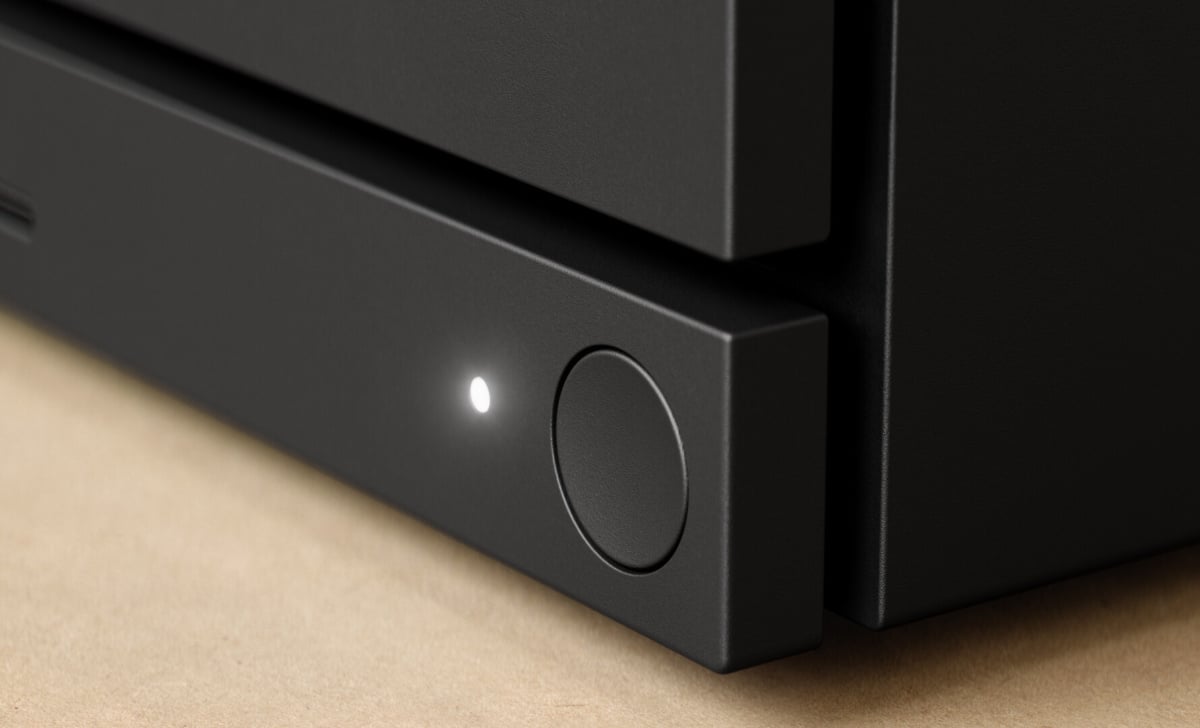
One of the screenshots on Valve's own Steam store page for the Steam Machine. Image: Valve
None of that happens on a stock machine. Valve ships the faster FRL path switched off behind a bit in the amdgpu module's dcfeaturemask parameter, so the only owners who meet either the new modes or the missing VRR are the ones who added amdgpu.dcfeaturemask=0x402 to their boot options and rebooted.
The gain is real enough to explain why anyone would. On an LG OLED83C4 wired straight into the machine, the report says the FRL link brings 3840x2160 at 144Hz with 4:4:4 chroma, 10 bits per channel and HDR, where the stock path stops at 4K120 in 4:2:0 at 8 bits. The cost is FreeSync, which the connector then says it cannot do at all.

A second screenshot from Valve's own Steam store page for Deadlock. Image: Valve
That trade-off lands on the one piece of Valve hardware built for a television, and Valve rates games on it accordingly: the compatibility floor on the Steam Machine is 30fps at 1080p, where the Steam Deck's is 800p.
The one-line change is not in any Valve build
The report names the function and the change. In amdgpu_dm_update_freesync_caps() the HDMI branch is entered only for a TMDS sink, so an FRL sink falls through every branch and the driver leaves freesync_capable false, and swapping that test for the dc_is_hdmi_signal() helper already in the same tree covers both.
That one line is not the reporter's invention and it is not Valve's. He says Valve's kernel already carries Tomasz Pakula's VRR and HDMI work from the kernel mailing list but not his later fix-up, which makes exactly that swap, and that the single line he quotes is a strict subset of what Pakula's branch and AMD's 7.4 series do. What is missing is a Valve build that carries it: the change is in neither linux-neptune-72 nor any shipping SteamOS, the report asks Valve to cherry-pick it, and the only thing running it is an out-of-tree module the reporter built himself.
With that module in place he says the connector gives a VRR range of 40 to 144, with gamescope enabling VRR at 3840x2160 at 143.99Hz and several hours of play without a link drop. The measurements come from debugfs and gamescope rather than from how the picture looked.
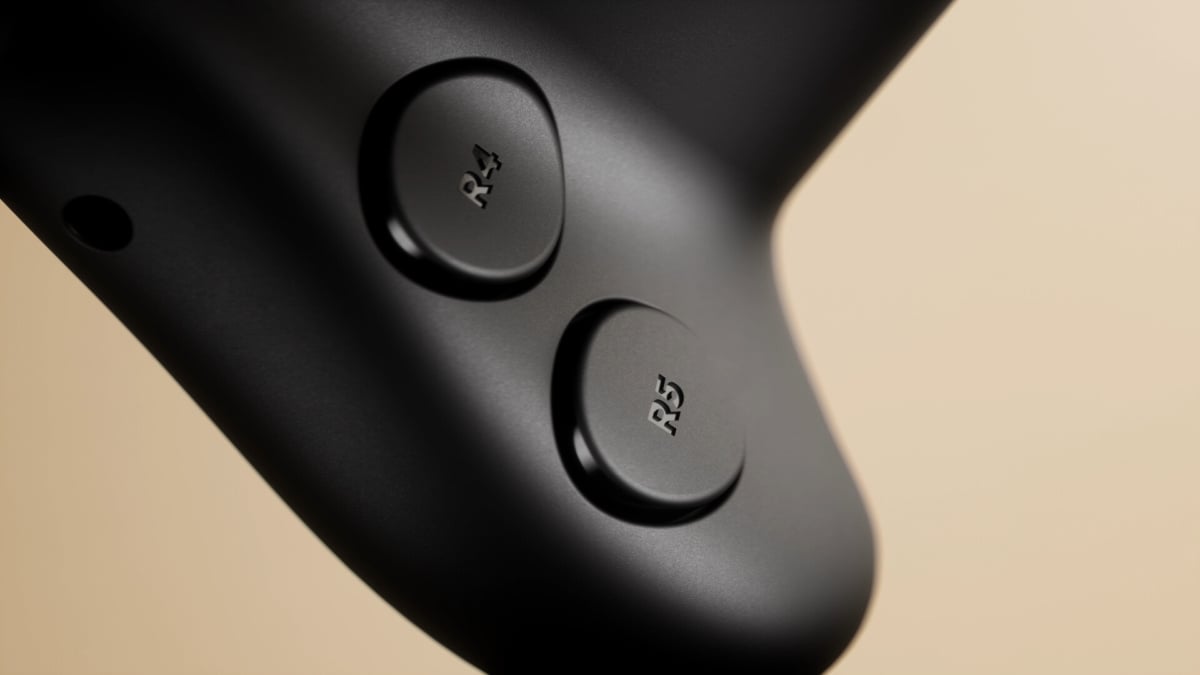
A screenshot from Valve's own Steam store page for the Steam Controller. Image: Valve
A second fault drops the fast link on every hotplug
The October 18 update adds one. After any later hotplug, a television waking from standby or an input switched away and back, the link returns on the slower path and the 4K144 modes are gone until a reboot, with an identical EDID on both sides of it.
The report traces that to the check that decides whether a link needs retraining, where the compositor keeps the display lit across a hotplug so the check never runs destructively and never promotes the new sink back to the faster signal. It names an AMD commit it says has been in drm-next since August 20 as the upstream answer, and says the two patches together hold across kernels 7.2.4-valve1, 7.2.7-valve1 and 7.2.7-valve2, with an input switch coming back at 4K144 instead of dropping to 60Hz.
The closing ask is that Valve enable the FRL mask by default on the Steam Machine once both are in. The expectation that mainline 7.4 will turn it on is the report's own reading rather than anybody's plan, and the issue has been open since September 13 with no Valve reply and no label on it.
All of this is one owner, one television and an out-of-tree kernel module, on a beta channel: SteamOS 3.9.3 is a Beta and Preview release, with stable SteamOS still on 3.8.28. Until Valve answers, the choice on a 4K 144Hz set is the faster signal or the variable refresh rate, and not both.

