
Steam's Linux beta client just went 64-bit, but Valve still won't support a 64-bit-only system
The Linux Steam client is now a 64-bit application and runs inside a Steam Runtime container, Valve says in a beta client note published at 22:04 UTC on October 15. But a requirements document a Valve engineer added to the client's own repository 82 minutes later says that “64-bit-only x86_64 systems are not supported”, and that an x86_64 machine must still carry 32-bit versions of its libraries and graphics drivers.

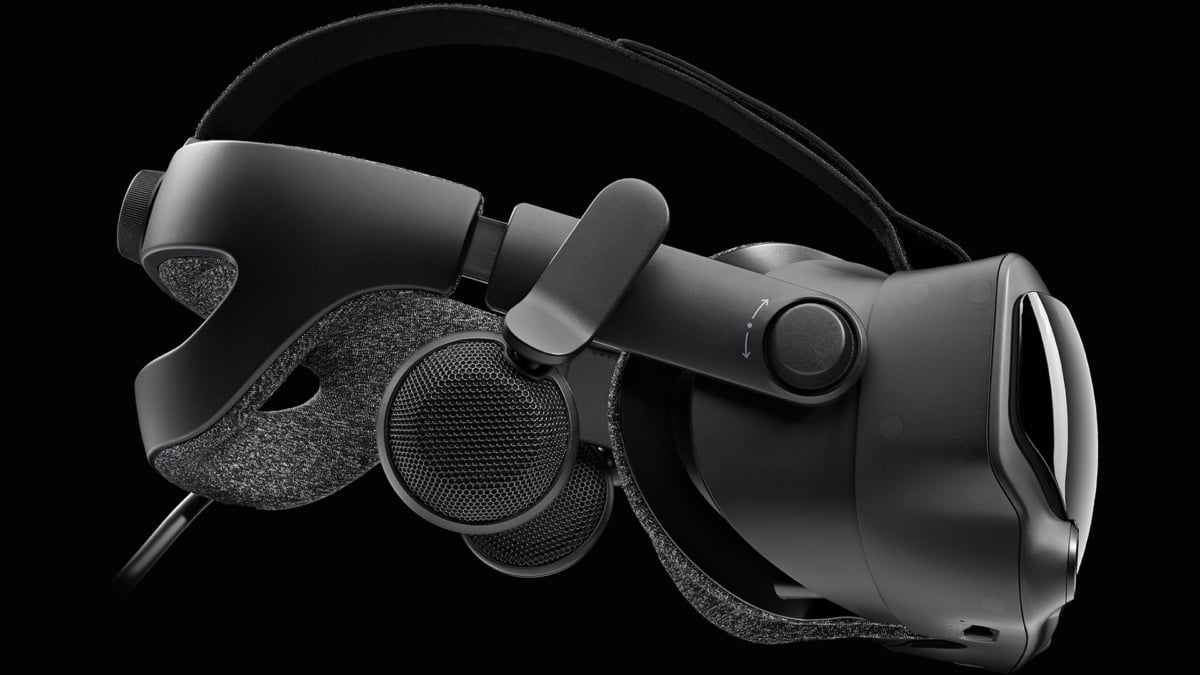
Valve's own store image for the Steam Deck, which runs the Linux Steam client as part of SteamOS. Image: Valve Image: Valve
Both statements are Valve's and both are current. The container is the same technology Steam uses for games, and Valve says it “will help the Steam client provide a more consistent experience across multiple distributions”.
Somebody asked for a 64-bit-only client 12 years ago. “Add 64 bit only client for Linux” was filed on September 30, 2014 by a user whose CentOS 7 machine would not load Steam at all for want of 32-bit libraries, and after 320 comments it is still open.
Valve says 32-bit libraries are still required
Andres Rodriguez, named as the author of the new document in a commit from a valvesoftware.com address, set out why on Valve's tracker at 23:52 UTC the same evening. “Note that i386 multilib is still required,” he wrote. “Running steam in a 64bit only environment is NOT supported.”
The reason is the catalogue rather than the client. “32bit games will require a 32bit graphics driver stack to run correctly,” Rodriguez wrote, and “even with Proton WOW64, there is a large library of linux native 32bit games that would stop working if the host system was 64bit only”. He says eliminating 32-bit host libraries “was not a goal of this change”, though it “should help reduce the set” of 32-bit libraries the host system needs.
He also asked packagers to stop. One commenter said they had packaged the beta client as steam-beta on the Arch User Repository, and Rodriguez replied: “Please don't create packages like these. It will result in inexperienced users trying it out, which will result in said users opening support tickets either with the relevant game developer or with us.”
The requirements list is new, and specific
The document did not exist before October 15. Valve's published requirements ask for glibc 2.31 or newer, a Linux kernel from 5.6, a D-Bus session bus, OpenGL and Vulkan drivers, and the ability to create user and mount namespaces without special privileges. The hardware floor is an x86_64 processor with CMPXCHG16B and SSE3.
Two requirements will shut real setups out. Valve requires either pipewire-pulse or PulseAudio and marks both JACK and ALSA dmix as not supported, and it requires an X11 server, “either Xwayland or an X11 session”, which leaves a pure Wayland session with no Xwayland unsupported.
NetworkManager is recommended rather than required, and only for a machine where the client runs as the system shell. That is the assumption Valve defended on its tracker earlier in October, when it argued a distribution calling itself SteamOS-like can be expected to have it.
The 32-bit complaint Valve replied to is still open
The report Rodriguez replied to has been open since March 20. Its author found that the reaper binary shipped in the 64-bit runtime directory “is still a 32-bit ELF binary”, which “forces distros to maintain 32-bit GL libraries on the host solely for this binary”. Rodriguez's reply does not mention it.
All of this is on the Preview/Beta channel, which is also where Steam first ran non-Steam Windows programs through Proton without being asked, and Valve gives no date for either change reaching the stable client. A 64-bit client that still wants a 32-bit driver stack on the host is a narrower change than it sounds.

