
OpenRayneo splits the RayNeo iO's two microphones into two Mac inputs, with no phone
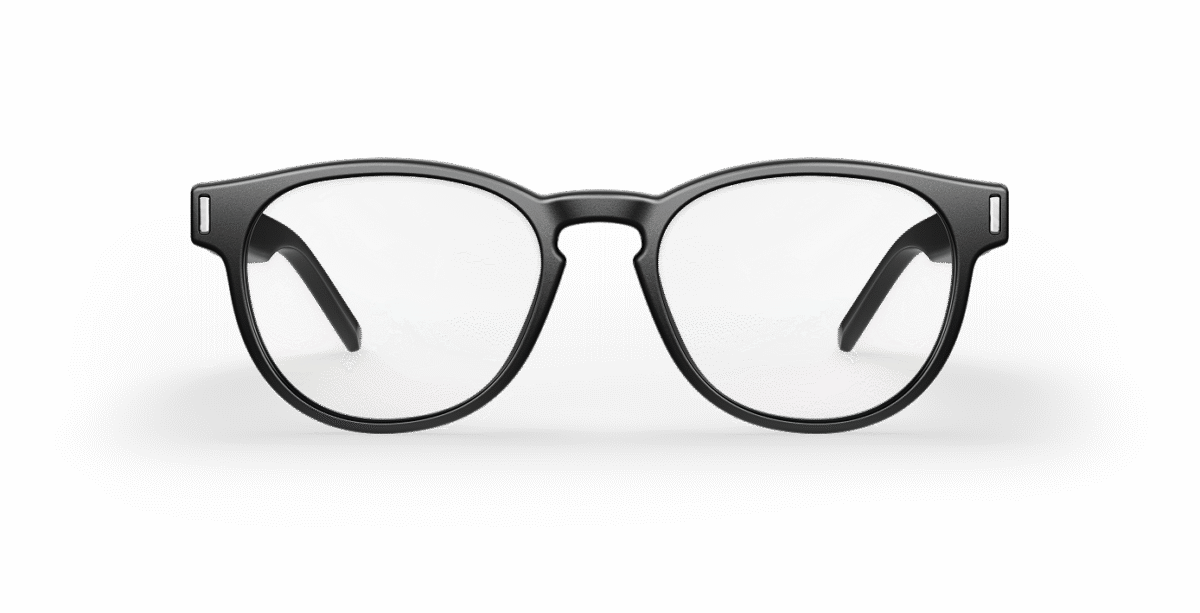
An unofficial Mac bridge for RayNeo's AI glasses now treats their two microphones as two separate pieces of recording hardware. OpenRayneo v0.2.0, published on October 11, bundles a Core Audio driver that registers "OpenRayneo Microphone Channel 1" and "Channel 2" with macOS as independent input devices, so anything on the Mac that records can pick one or the other.
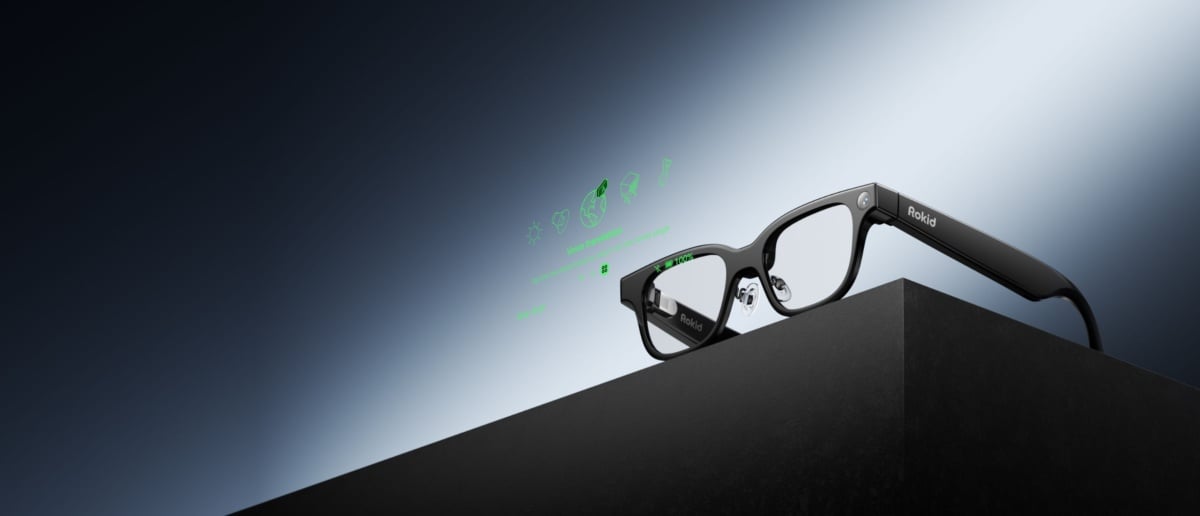
Rokid Glasses, not the RayNeo iO. An unofficial patcher for these was published earlier in October, and OpenRayneo works only with RayNeo's iO. Image: Rokid
What each one hears is the project's finding rather than RayNeo's. The README names channel 1 the wearer and channel 2 forward-facing, and its table of verified behaviour is more careful still, labelling the split an "Owner's experiment: channel 1 bone-conduction/wearer, channel 2 forward-facing/other speakers", tested on one pair of RayNeo iO glasses with an Apple Silicon Mac running macOS 15.6.1, where a local WAV recording gave "two different channel signals confirmed".
None of it runs through the phone. The bridge "connects directly to the glasses; it does not require a phone relay, cloud service, or a modified official app", the README says, over BLE authentication and RFCOMM channel 26. The project also states its standing where RayNeo is concerned: it is "an independent project, not affiliated with or endorsed by RayNeo".
It drives the interfaces the glasses ship with
OpenRayneo does not paint pixels. It works through "the glasses' existing notification, teleprompter, caption, prompt, and todo interfaces", and the README puts "arbitrary graphics, screen mirroring, and custom display layouts" outside its scope. The display it gets is a 26x7 grid of full-width characters, refreshed five to 10 times a second for everyday use, and the project reports pushing a 120-line, 16,319-byte script to the teleprompter.
That grid stretches further than text. The bridge can play a local video on the glasses as a 26x7 character animation at five or 10 updates a second, in a full-width greyscale mode, in blocks, or in an experimental half-blocks mode. There is also a local HTTP API for starting, feeding and stopping a prompt, and an agent skill shipped in the repository so a coding assistant on the same Mac can drive it.
Opus is bundled, and nothing is notarised
The install story is the quiet improvement in this release. Version 0.2.0 ships the Opus decoding library and its licence inside the package, so there is no Homebrew, Opus, BlackHole or Background Music to fit first, which is how most virtual-audio tricks on macOS have worked until now.
The caveats are the author's own and they are specific. The release is "experimental, ad-hoc signed, and not Apple-notarized", Apple Silicon only, and needs macOS 15 or later because of that bundled library, although the Swift code and the driver itself still target macOS 13. The README adds that "the glasses' firmware version was not recorded" and that compatibility with other firmware versions, other RayNeo models, Intel Macs and older macOS releases "has not been verified".
The hardware is new, and so is the project
RayNeo iO is recent enough that the reverse engineering is close behind it. RayNeo's own store catalogue lists the RayNeo iO AI Glasses as published on September 4, 2026, with a prescription variant a day later. OpenRayneo was created on September 28 under an Apache 2.0 licence and has collected 102 stars in the two weeks since. It publishes its own findings on the glasses' protocol, display behaviour, firmware and lifelog format rather than keeping them in the code.
It lands in a run of unofficial projects aimed at display glasses this month, after a patcher that gets YouTube onto Rokid Glasses in about seven minutes and a free app suite for the Even G2. The previous OpenRayneo release was dated October 1, which puts the dual-microphone driver 10 days behind it.

