
OpenAI just poached Apple’s Vision Pro chief, and the timing could not be worse

OpenAI has reportedly hired another key Apple executive, and this one is directly tied to Apple’s future in smart glasses and spatial computing.
According to Bloomberg’s Mark Gurman, Paul Meade, Apple’s vice president of hardware engineering for the Vision Products Group, is leaving the company to join OpenAI’s hardware team.
Meade reportedly led hardware engineering for Apple Vision Pro for years, and he was also involved in Apple’s upcoming smart glasses project. That makes his exit more painful than a normal executive departure.
This is happening at a time when Apple is already late to the smart glasses race, Vision Pro has failed to become a mainstream product, and OpenAI is aggressively building a new hardware team around former Apple talent.
In other words, OpenAI is trying to build the next device people use to access AI, and it keeps hiring the people who know how Apple builds hardware.
Meade has reportedly spent about 15 years at Apple. More recently, he was one of the key executives inside Apple’s Vision Products Group, the team behind Vision Pro and Apple’s long-rumored smart glasses.
Bloomberg says Meade will leave Apple next week and join OpenAI’s hardware unit, which is working on consumer AI devices.
His responsibilities at Apple are expected to shift to Fletcher Rothkopf, Meade’s longtime deputy, who has been involved in product design for Vision Pro and Apple’s smart glasses efforts.
Apple has not publicly announced Meade’s exit, and OpenAI has not announced his hiring, but I'm expecting an official announcement as early as next week.
OpenAI is building hardware with Jony Ive’s team
The bigger story started when OpenAI acquired io, the AI hardware startup co-founded by Jony Ive, the former Apple design chief behind the iMac, iPod, iPhone, Apple Watch, and other iconic Apple products.
OpenAI announced the deal in 2025, and later confirmed that the io team had officially merged with OpenAI. Jony Ive’s design firm LoveFrom remains independent, but Ive and LoveFrom now have deep design and creative responsibilities across OpenAI.
ChatGPT is already one of the most important consumer software products in the world, but OpenAI still depends on other people’s hardware. If OpenAI wants AI to become the main interface for computing, it makes sense that it wants its own devices too.
That is where Apple talent becomes valuable, which is why bringing people from Apple could help OpenAI shape its hardware future.
Apple’s own glasses are still far away
The timing is brutal for Apple because it still does not have a smart glasses product on the market.
Apple Vision Pro launched in 2024 at $3,499. It is technologically impressive, but it has not turned into the next iPhone or even the next Apple Watch. The product is expensive, heavy, and still feels like a niche device for developers, professionals, and hardcore early adopters.
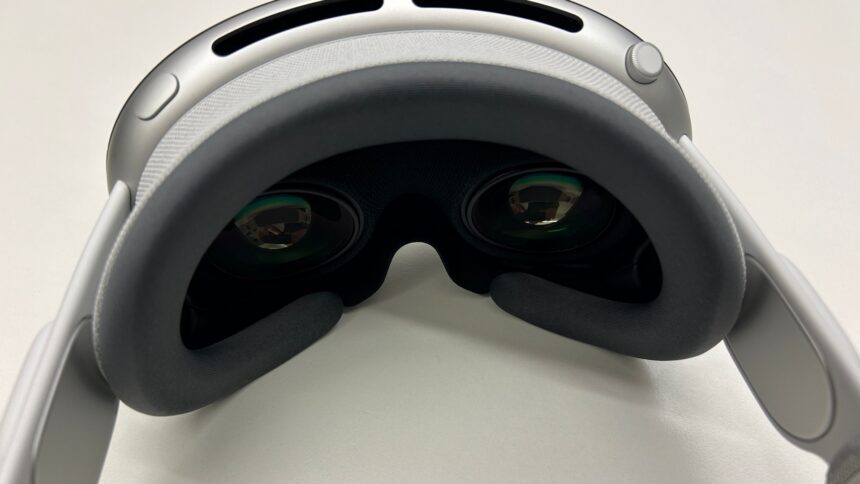
Although the OLED lenses of the Apple Vision Pro have a narrower field of view than the Quest 3, they are still really good. | Bild: MIXED
Apple’s more realistic smart glasses are also reportedly delayed.
Bloomberg has reported that Apple is now targeting late 2027 for its first AI-powered smart glasses, after earlier expectations of a sooner launch.
Those glasses are not expected to be full AR glasses with advanced displays. They are more likely to compete with Ray-Ban Meta glasses, with cameras, microphones, speakers, Siri, Apple Intelligence, and deep iPhone integration.
Apple is also said to be working on a cheaper and lighter Vision Pro-style headset, but that device is not expected before late 2028 or 2029.
Meta is already shipping smart glasses people can actually buy
Meta already has Ray-Ban Meta glasses on the market, and it recently announced a new Meta Glasses lineup with EssilorLuxottica starting at $299.
That matters because smart glasses are not just about specs. They are also about fashion, comfort, price, and whether normal people are willing to wear them in public.
Meta understands that. Its glasses look like regular eyewear, support prescription lenses, include Meta AI, and offer hands-free camera and audio features. They are not full AR glasses, but they are already building the habit of using AI from your face instead of your phone.
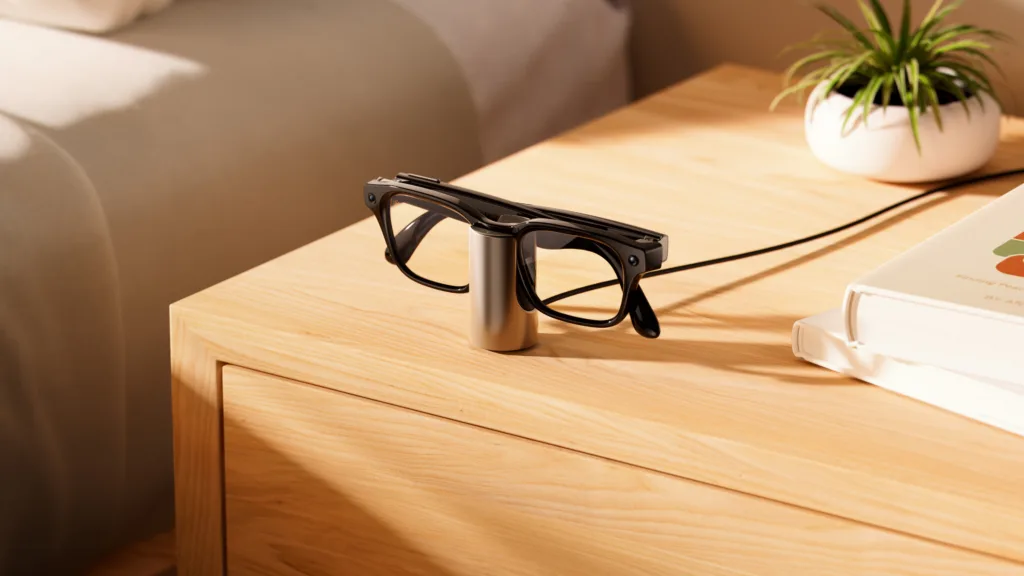
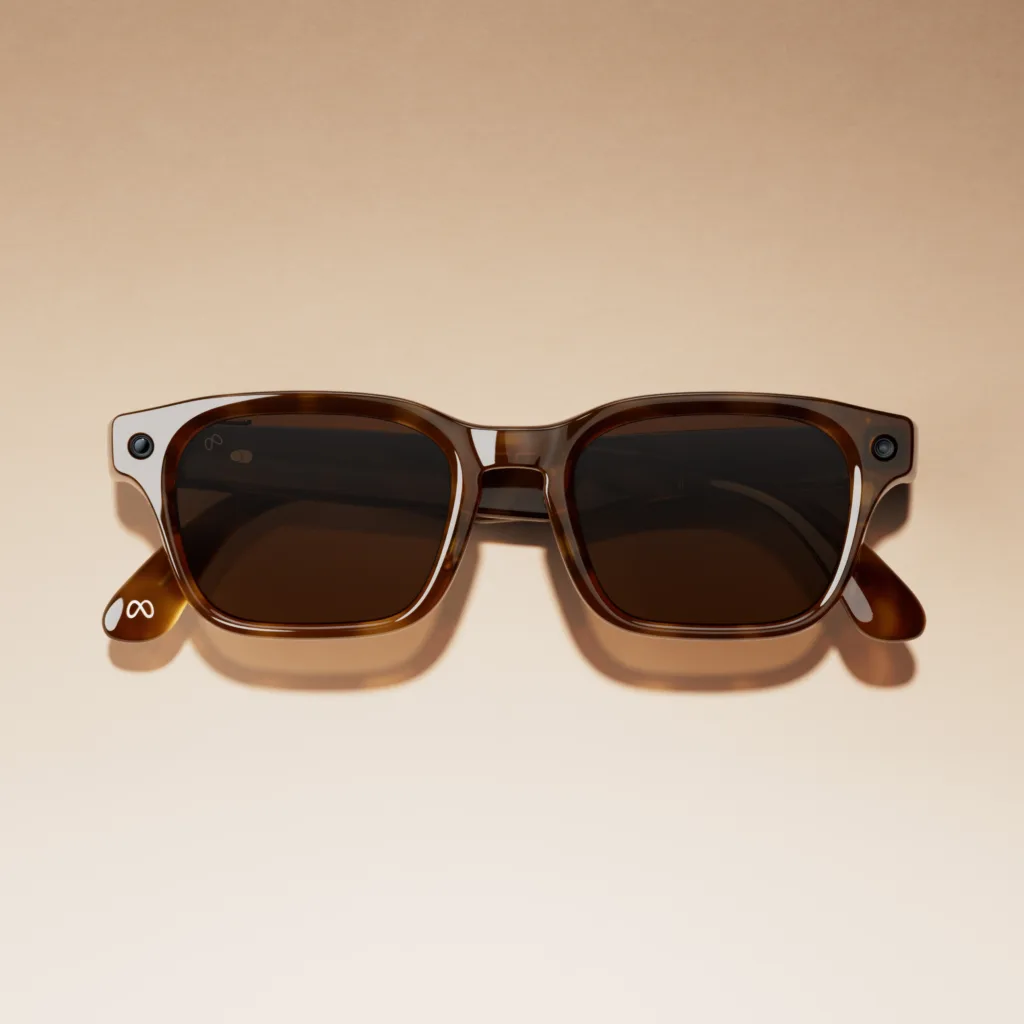


Snap is also trying to push the category forward with its new $2,195 Specs, which are proper AR glasses with see-through displays. They are expensive and bulky, but they show where the industry wants to go.
Apple, meanwhile, is still preparing its answer.
OpenAI’s hardware plans are still mostly secret, but the company has been linked to several possible devices.
Reports have suggested that OpenAI and Jony Ive’s team are working on a family of AI-native products, not just one device. Some reports have pointed to wearables, audio devices, and screenless hardware.
Separately, analyst Ming-Chi Kuo has claimed OpenAI is also working with MediaTek, Qualcomm, and Luxshare on an AI-first smartphone. According to Kuo, the device could use a customized MediaTek chip and be designed around AI agents instead of the traditional app-first phone interface.
None of this has been announced by OpenAI, so it should be treated carefully. But even if only part of it is true, the direction is clear: OpenAI wants a direct consumer hardware path.

