Micron's mobile and client memory margin went from 36% to 90% in a year

Micron's Mobile and Client unit, the memory and storage that goes into phones and laptops, turned a 90% gross margin in its fiscal fourth quarter against 36% in the same quarter a year earlier. Revenue in that unit was $13.11 billion against $3.76 billion, and group revenue for the quarter was $54.23 billion against $11.32 billion, according to the earnings release Micron filed with the SEC on September 30.
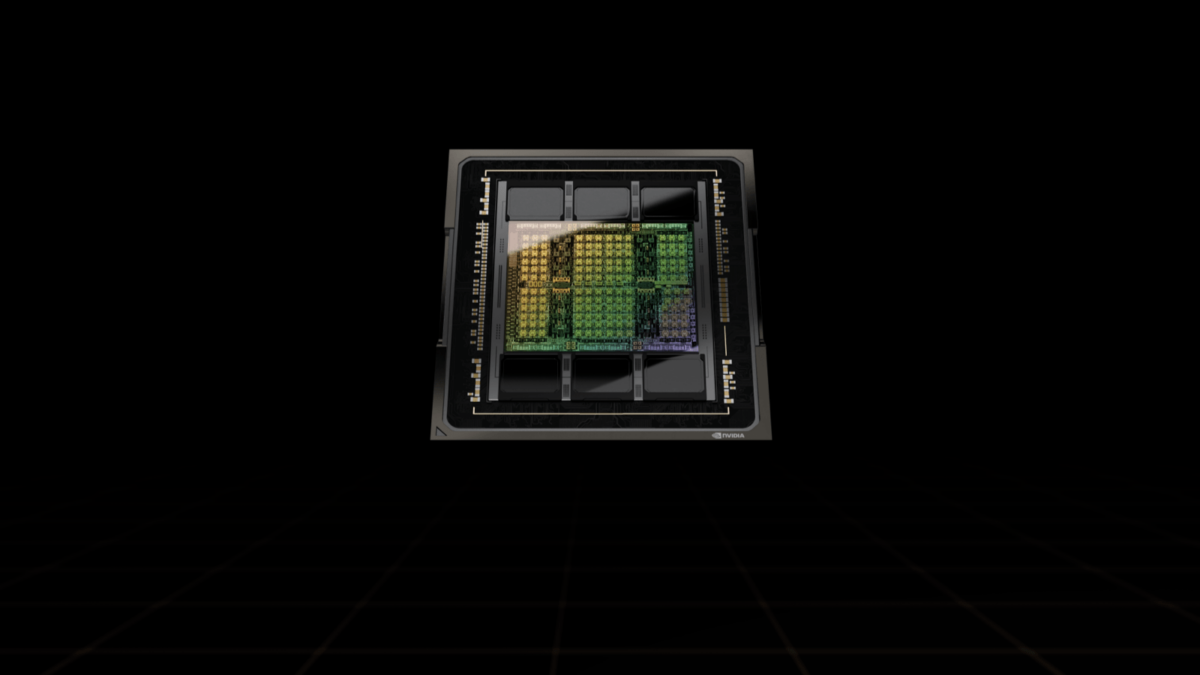
Nvidia's H100 package, with the high-bandwidth memory stacks arranged above and below the processor die. Image: Nvidia
The quarter ended September 3. Full-year revenue came to $133.19 billion against $37.38 billion the year before, and GAAP gross margin for the quarter was 86.8% of revenue against 44.7%. Every other unit moved the same way: Core Data Center revenue went from $1.58 billion to $18.00 billion at a 90% gross margin, Cloud Memory from $4.54 billion to $16.28 billion at 83%, Automotive and Embedded from $1.43 billion to $6.82 billion at 84%.
Customers are paying years in advance
Customers are also paying Micron a long way in advance. It took in $12.75 billion of "proceeds from customer contract liability deposits" over the year, against nothing the year before, and noncurrent customer contract liabilities stand at $12.90 billion against $568 million three months earlier. Customers are putting money down up front to secure supply, and chief executive Sanjay Mehrotra credits what the release calls "Strategic Customer Agreements" with giving Micron "added confidence in the durability" of its results.
Mehrotra reaches for newer vocabulary to describe the demand. "AI is becoming Super Intelligence (SI), and memory enhances this intelligence and the competitiveness of our customers' platforms," he says in the release, and he uses the initials again to say Micron is investing to "help drive SI forward with our customers".
Micron guides to $61.5 billion plus or minus $1.5 billion for the current quarter at a GAAP gross margin of approximately 85.95%. The release also discloses a $500 million patent licence charge in the quarter, which Micron strips out of its non-GAAP operating expenses.
What a 90% memory margin does to hardware
Micron does not break out XR, so no number here describes a headset directly. The inference is the unit: a standalone headset is a phone-class device with LPDDR memory and NAND storage bought from the same pool as phones and laptops, which is the pool whose margin went from 36% to 90% in four quarters. The same squeeze sits behind the AI accelerators that need high-bandwidth memory stacked beside the processor, where Micron's data centre units are now earning 83% to 90%.
Device makers have been saying as much out loud. Acer's chairman expects PC prices to rise by up to 20% in the fourth quarter before easing after mid-2027. A headset maker setting a price for next year is buying from the same suppliers in the same conditions.
None of that is in the filing, and Micron makes no claim about headset pricing. What the filing does show is a memory maker whose phone and laptop business more than tripled its revenue in a year while its margin on it went from 36% to 90%, with customers prepaying billions to stay at the front of the queue.
Micron's board declared a quarterly dividend of $0.15 per share on September 30, payable on October 29, out of the $84.97 billion of net income it reported for the year.