
Acer's chairman expects PC prices to rise up to 20% in Q4, then fall after mid-2027
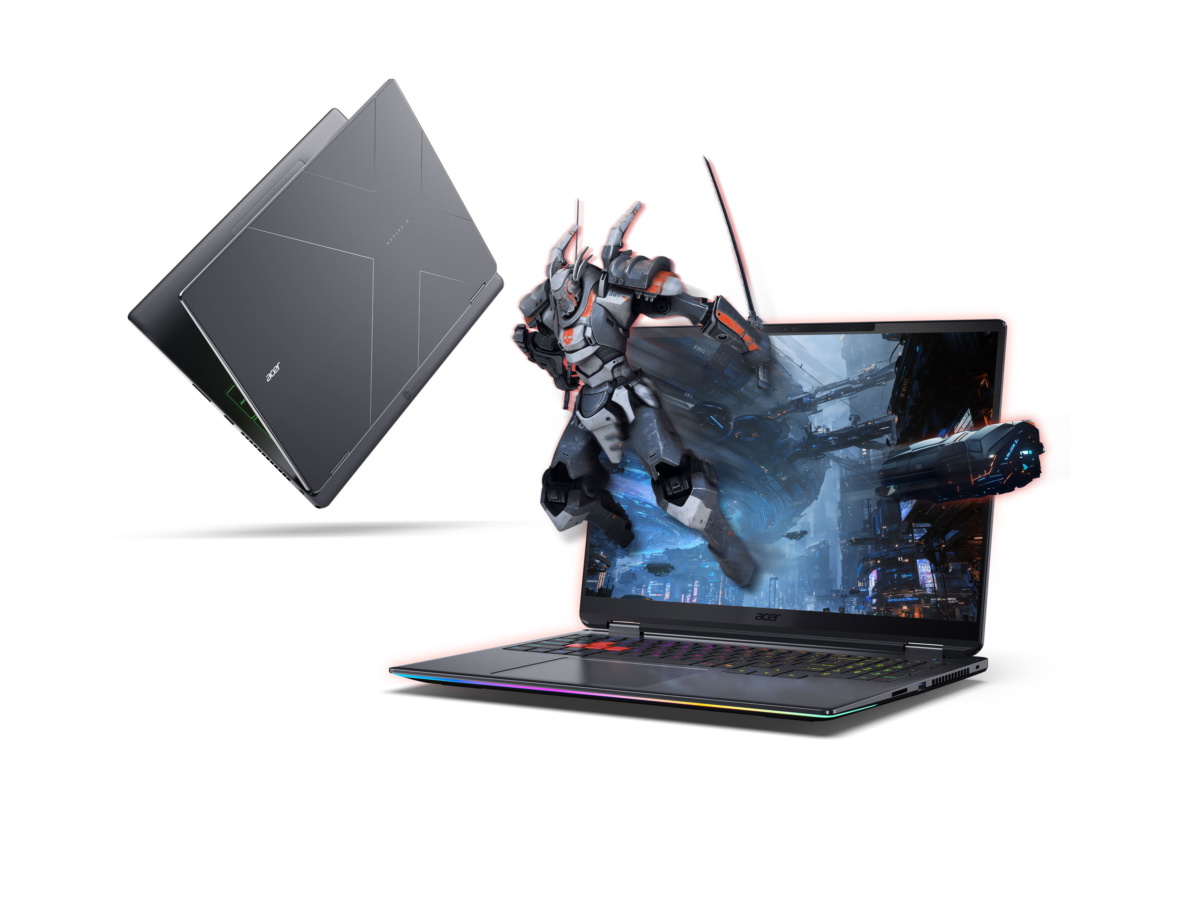
Acer chairman and chief executive Jason Chen expects the PCs his company sells to cost 5% to 20% more on average in the fourth quarter of 2026, with prices peaking around the middle of 2027 and coming down in the second half of that year. His reason is that the component shortage behind the rises is mostly over.

Valve has said the memory market pushed Steam Frame above its target price. Jason Chen was not talking about headsets. Image: Valve
DDR4 and ordinary DDR5 supply is comfortable and DDR4 has started to fall in price, Chen told reporters in Taipei on September 19. What is genuinely short, he said, is the top of the range: the LPDDR5X-9600 that pairs with Nvidia’s new N1 and N1X parts, which goes into a small number of expensive machines and barely moves the overall shipment figures. CPUs are no longer tight either, beyond some Small Core chips tied to specific Microsoft projects.
New capacity keeps arriving, Chinese manufacturers in particular are expanding hard, and memory cannot stay short for ever, he argued, describing a market in which suppliers are now chasing Acer rather than the other way round. Acer’s average memory cost in 2027 should come in below this year’s, he said at a Taipei forum marking the group’s 50th year.
Acer sells the PCs those prices are attached to
Jason Chen is not a neutral witness. PCs are about half of Acer’s business, memory that loosens in 2027 is worth a great deal to it, and he is the executive who has to explain higher shelf prices until then. He was blunt about what the rises cost: he cited research-firm forecasts of a possible double-digit fall in global PC shipments in 2027, offset in revenue terms by higher average selling prices, and said he does not want to see prices climbing fast enough to shrink demand, which by his own reading is happening.
The memory makers forecast the opposite
SK hynix chief executive Kwak Noh-jung told Reuters in a July 10 interview that 2027 “will be the worst year in the industry’s history from the supply perspective”. He went further on the decade after it: “We still forecast that customer demand will remain higher than our supply capacity even beyond 2030.”
Micron is spending as though it agrees. Its June 24 results put quarterly revenue at $41.46 billion against $9.30 billion a year earlier, and chairman and chief executive Sanjay Mehrotra said the company is “investing at record levels in technology, products and supply to address our customers’ rapidly growing demand”, with multi-year customer agreements he expects to make that performance more durable and predictable.
Adata chairman Chen Li-bai is further from Acer’s position still. Plenty of people think memory prices topped out in 2026, he told the Commercial Times in a June 15 interview, and his own reading is that the market is in its second or third innings, with the supply gap in 2027 possibly wider than in 2026 and DRAM tightness easing around 2028 at the earliest.
SK hynix and Micron earn more while memory is scarce and Acer earns more when it is not, so nobody arguing about the date is disinterested.
The Steam Frame read-across is ours, not his
Jason Chen was talking about PCs and components, never about headsets, and none of his percentages convert into a headset price. The connection is our own, and it rests on memory: memory is what Valve blamed when it said the RAM crisis pushed Steam Frame above the price it was aiming for, and price was among the things the first Steam Frame reviews flagged.
On Jason Chen’s timetable, that cost pressure eases through 2027. On Kwak’s, it is still there in 2030. Which of the two has read the fabs correctly decides whether the next run of Valve hardware is built against cheaper memory or dearer.
Micron holds its fiscal fourth quarter call on September 30, the next hard set of numbers on where memory pricing is going.

