
Meta expects “hands-first” VR Glasses games, and most customers may not own controllers
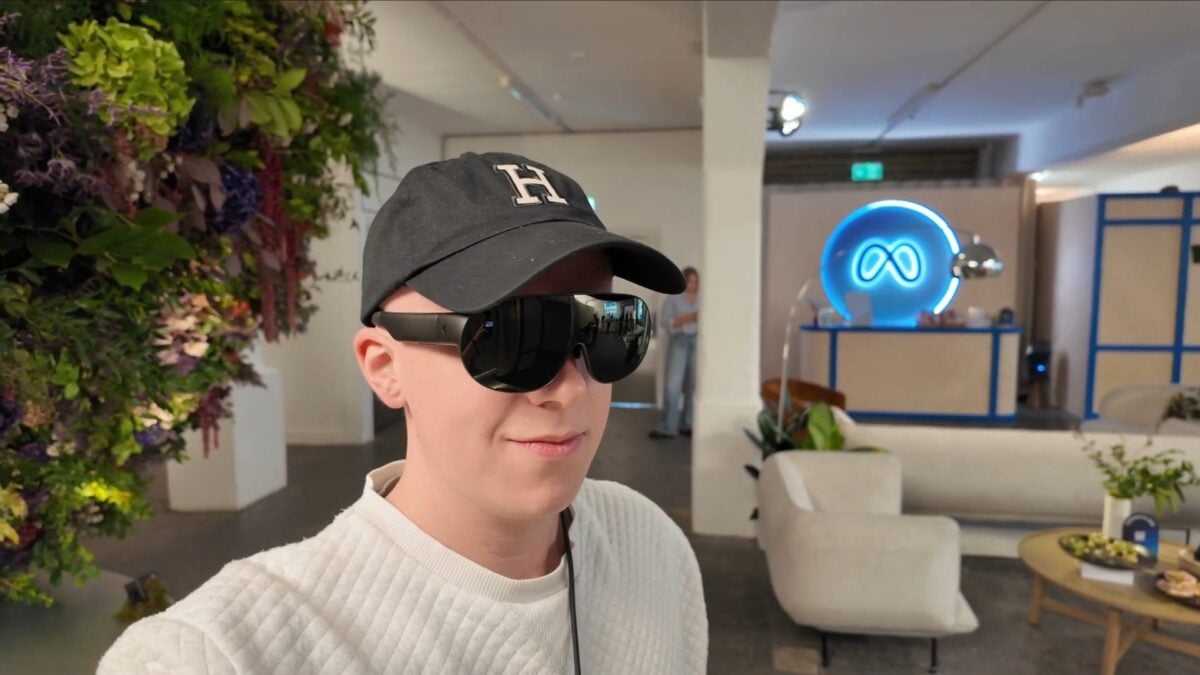
Meta expects many people who buy its upcoming VR Glasses to play with their hands instead of buying separate Touch controllers. Its games chief Chris Pruett says the company expects “seated, hands-first experiences” to appeal to the new audience.
That does not mean controllers are being abandoned. Pruett says people who have them will be able to play supported games from the Quest catalogue, while Meta expects Quest 3 and 3S players to remain active.
These are the company’s expectations for a product that has not launched yet. Meta has announced a spring 2027 release and a $1,299.99 US price for the glasses.

Meta says the glasses weigh about 100 grams on the face; the tethered compute puck is separate. Image: Meta
Meta expects a different audience for its glasses
In a note to developers, Pruett says he expects entertainment to be a bigger draw than games and apps for many VR Glasses customers. For those who do buy games, he expects experiences that are challenging to master without being difficult to pick up.
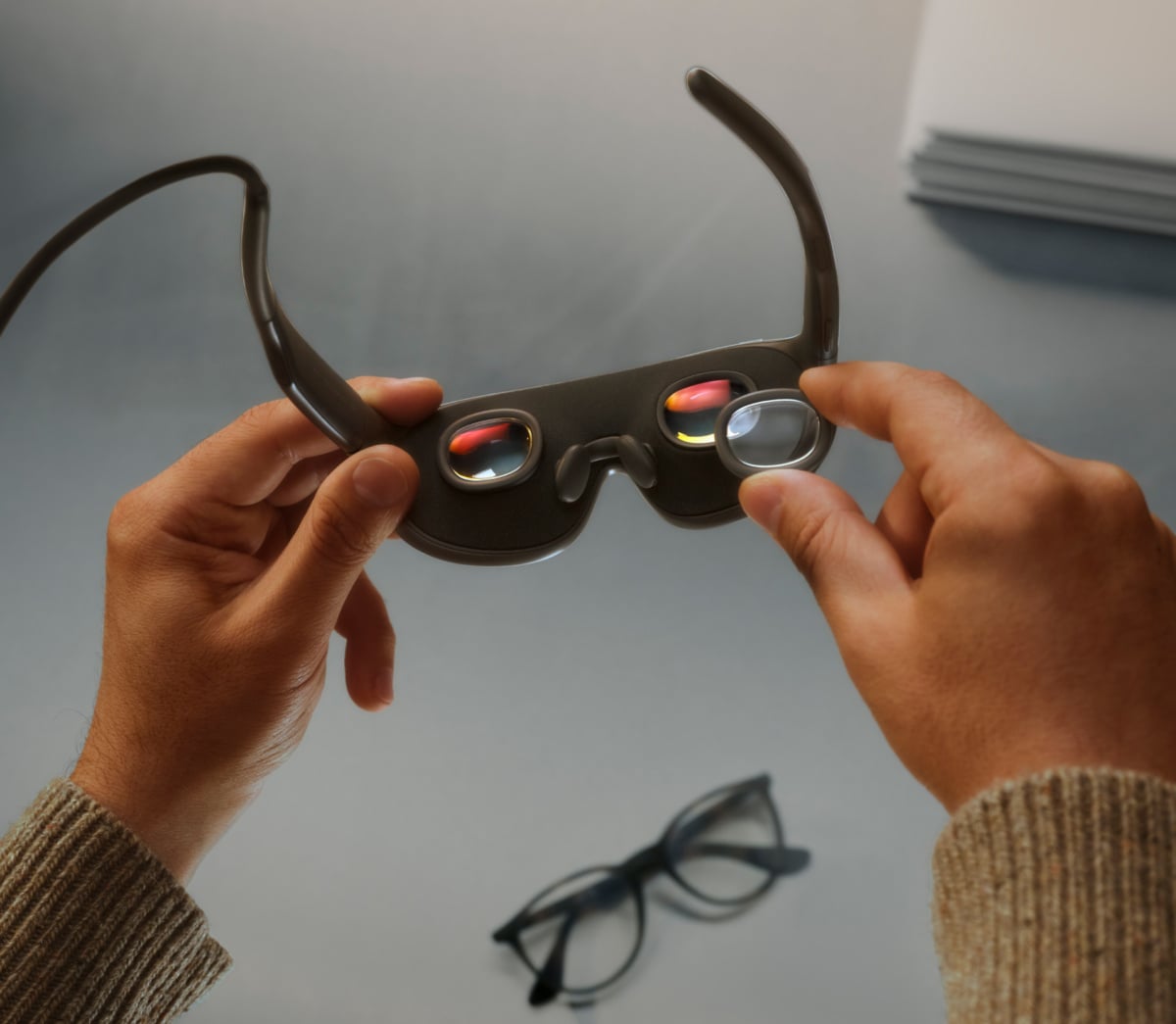
The glasses are a different design from the current Quest headsets. Image: Meta
He also cautions that these are forecasts. Meta has not sold this particular kind of product before, and Pruett says the company expects to learn from how customers actually use it.
That distinction is useful if you are considering a headset mainly for games. A developer’s support for hand tracking and a particular Quest title’s compatibility are separate questions, so check the requirements of the games you care about when the glasses launch.
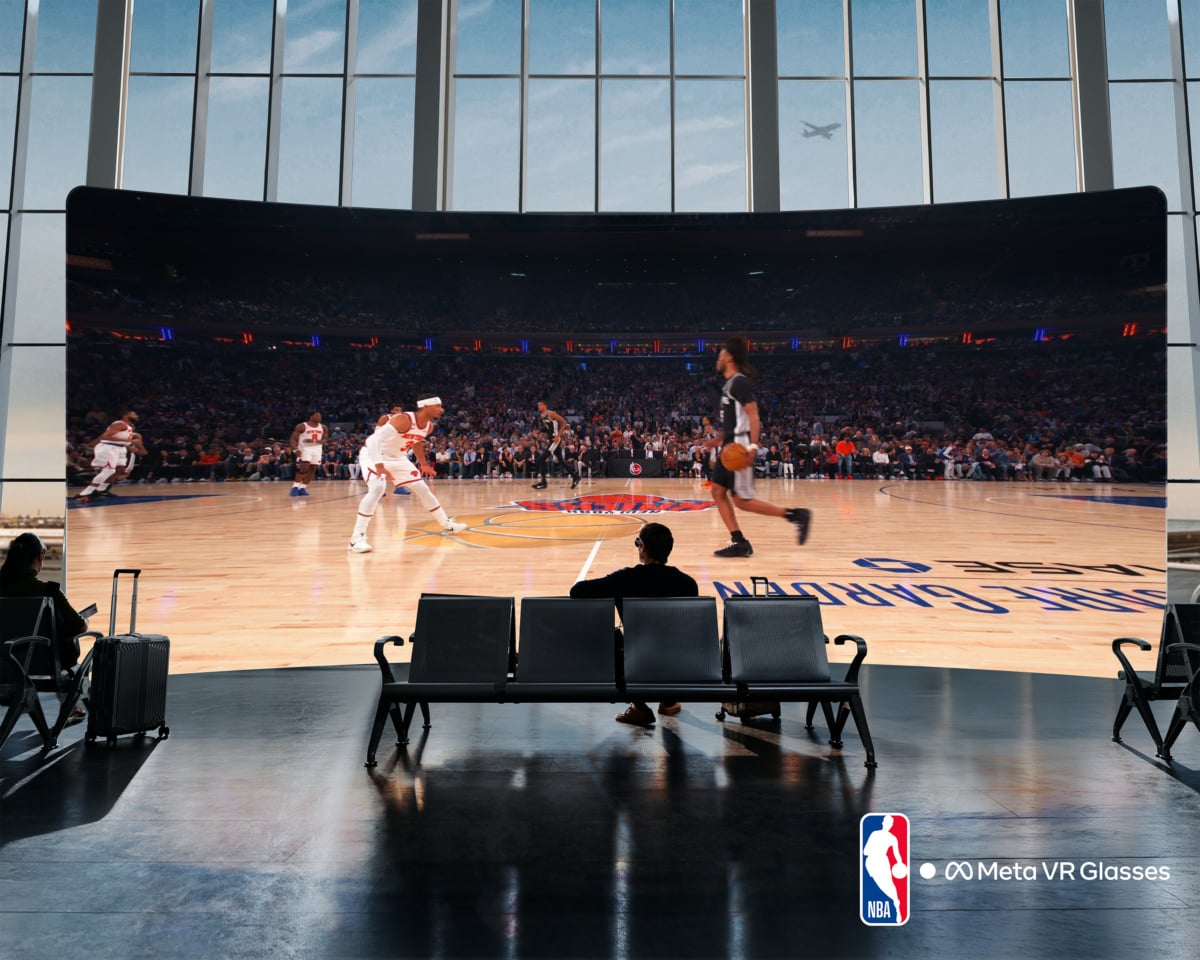
Meta is also pitching the glasses for immersive sports and other entertainment. Image: Meta
Touch controllers will still have a role in supported games
Pruett says players with Touch controllers will be able to use supported games from the Quest catalogue. In its earlier announcement, Meta said every Quest game will be playable on the glasses with Touch Plus controllers. That is a company promise for an unreleased device, so check compatibility details at launch.
Meta’s product announcement also describes using eye tracking and hand gestures to open apps, play films and adjust a workspace. The company is presenting those controls alongside its plans for immersive sports and 3D films.
For developers, Pruett recommends designing around hand tracking from the start rather than treating tracked hands as a simple copy of controller input. A game originally built around buttons may need its interactions reconsidered for that audience.
If you want a current headset, the Meta Quest 3 is a separate product available now. The forthcoming VR Glasses are a different device, with their own price and release schedule.
Our report on Quest store spending covers another part of Pruett’s update: in-app purchases have overtaken paid apps as the store’s largest revenue source.
Image credits: Future / TechRadar (featured image); Meta.
Note: Links to online stores in articles can be so-called affiliate links. If you buy through this link, MIXED receives a commission from the provider. For you the price does not change.
As an Amazon Associate we earn from qualifying purchases.

