Meta Quest players are spending more on in-app purchases than paid apps, Meta says
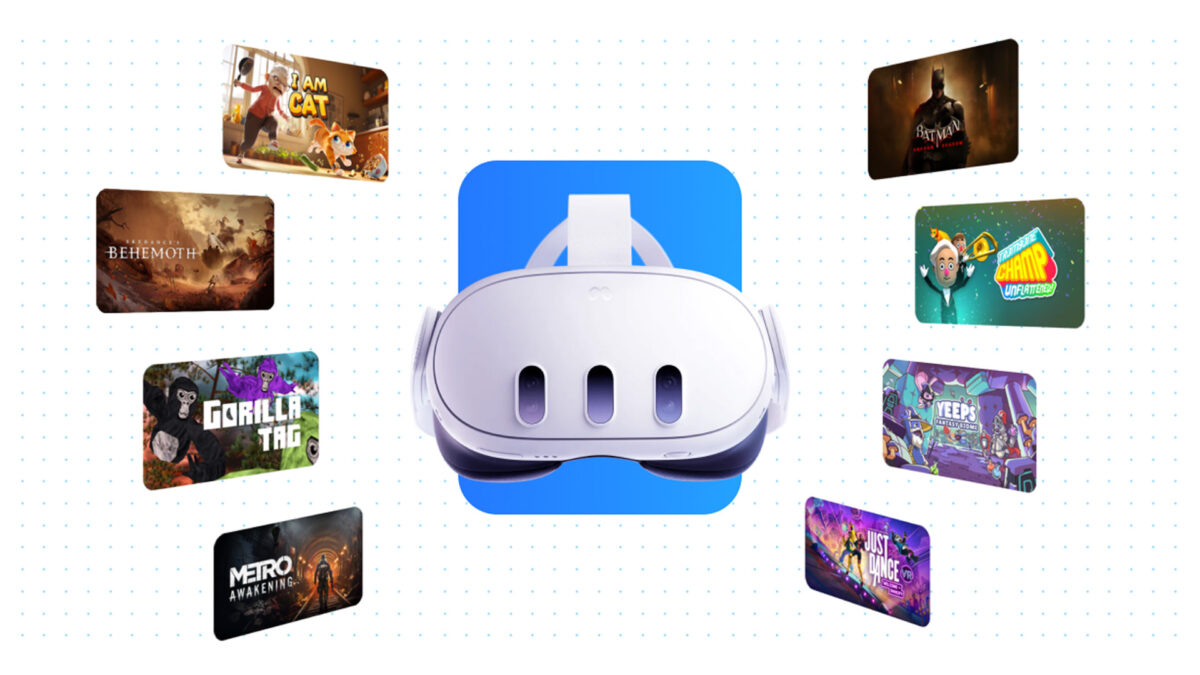
Meta Quest players spent more through in-app purchases than on paid apps in the first nine months of 2026, according to Meta. It is the first time those purchases have overtaken premium app sales as the largest source of revenue on the Quest Store.
That does not mean paid VR games have disappeared. Meta says its 50 highest-earning apps each brought in more than $1 million after store fees between January and September, with revenue across that group coming from app sales, in-app purchases, subscriptions and Meta Horizon+.
The figures offer a useful look at how the Quest audience is changing while its next headset, Meta VR Glasses, is still due in spring 2027. They also come with a limit: Meta has not published a dollar breakdown for each game or the entire store.

An archival image of the Quest Store; its current interface may differ. Image: Meta
Social games are a big part of the picture
In a post for developers, Meta's director of games Chris Pruett says social and multiplayer titles are well represented among the top 50. The examples include Gorilla Tag, HERO x HERO and Roblox.
Those examples are not the whole list, and Meta does not rank the individual titles in the post. It says the social group overwhelmingly makes money through in-app purchases, but does not say exactly how much any one game earned from them.
There is some useful context in an earlier Meta figure: in 2025, the company said free-to-play apps accounted for more than 70% of time spent on Quest. That measured time rather than revenue, so it answers a different question from the new spending figures.
Other familiar names in the top 50 include Walkabout Mini Golf, Virtual Desktop and GOLF+. Meta says revenue for this wider group comes mostly from premium app sales, although some categories rely on subscriptions or in-app purchases too.

Gorilla Tag is one of the social games Meta names in its top 50. Image: Another Axiom, via Steam
What this means if you own a Quest
You can still choose between paid games, free-to-play titles and subscription services. If a free game catches your eye, I recommend checking what its optional purchases actually provide before spending, especially when children use the headset.
Meta says Quest developers collectively took home hundreds of millions of dollars from January through September and that revenue was steady against the same period in 2025. It also says 12 major new hits launched on the platform over the last 12 months. Those figures are the company's own and do not tell us how every individual studio performed.
The Meta Quest 3 is one headset that runs Quest games. The headset, individual paid games and subscriptions are separate purchases, so check the cost of any title or service that interests you.

Walkabout Mini Golf also appears in Meta's list of top-earning titles. Image: Mighty Coconut, via Steam
Meta says it is still funding VR games
Pruett says Meta had more than $120 million in funding for third-party games in active development as of October 1. That is a snapshot of ongoing funding, not an announcement that the company is spending a new $120 million on a single game.
For existing Quest players, Meta identifies Quest 3 as the development baseline. The company has also outlined the end of feature development for Quest 2 and Quest Pro; it says existing apps will keep working and developers can continue publishing updates for a time.
Image credits: Meta; Another Axiom and Mighty Coconut, via Steam.
Note: Links to online stores in articles can be so-called affiliate links. If you buy through this link, MIXED receives a commission from the provider. For you the price does not change.
As an Amazon Associate we earn from qualifying purchases.