
Meta's Immersive Web SDK reaches 1.0, and gaze-and-pinch comes to WebXR
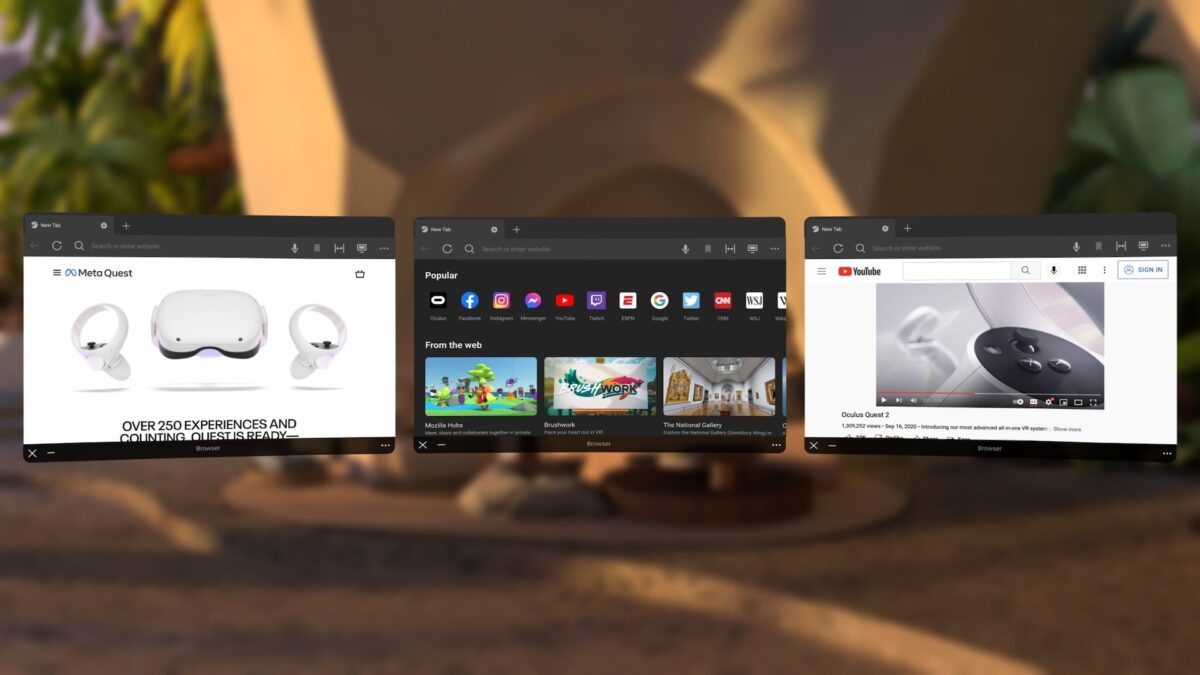
Meta's Immersive Web SDK reached version 1.0 on September 24, and the change developers will notice first is gaze-and-pinch, the look-then-pinch input that needs no controller. Meta's Horizon OS release notes for WebXR that day say the release "Added gaze-and-pinch interaction, integrated with existing RayInteractable and grabbing systems", along with fixes to depth-session cleanup, scene mesh updates and runtime stability, and the @iwsdk/core package registry entry dates 1.0.0 to the same day.
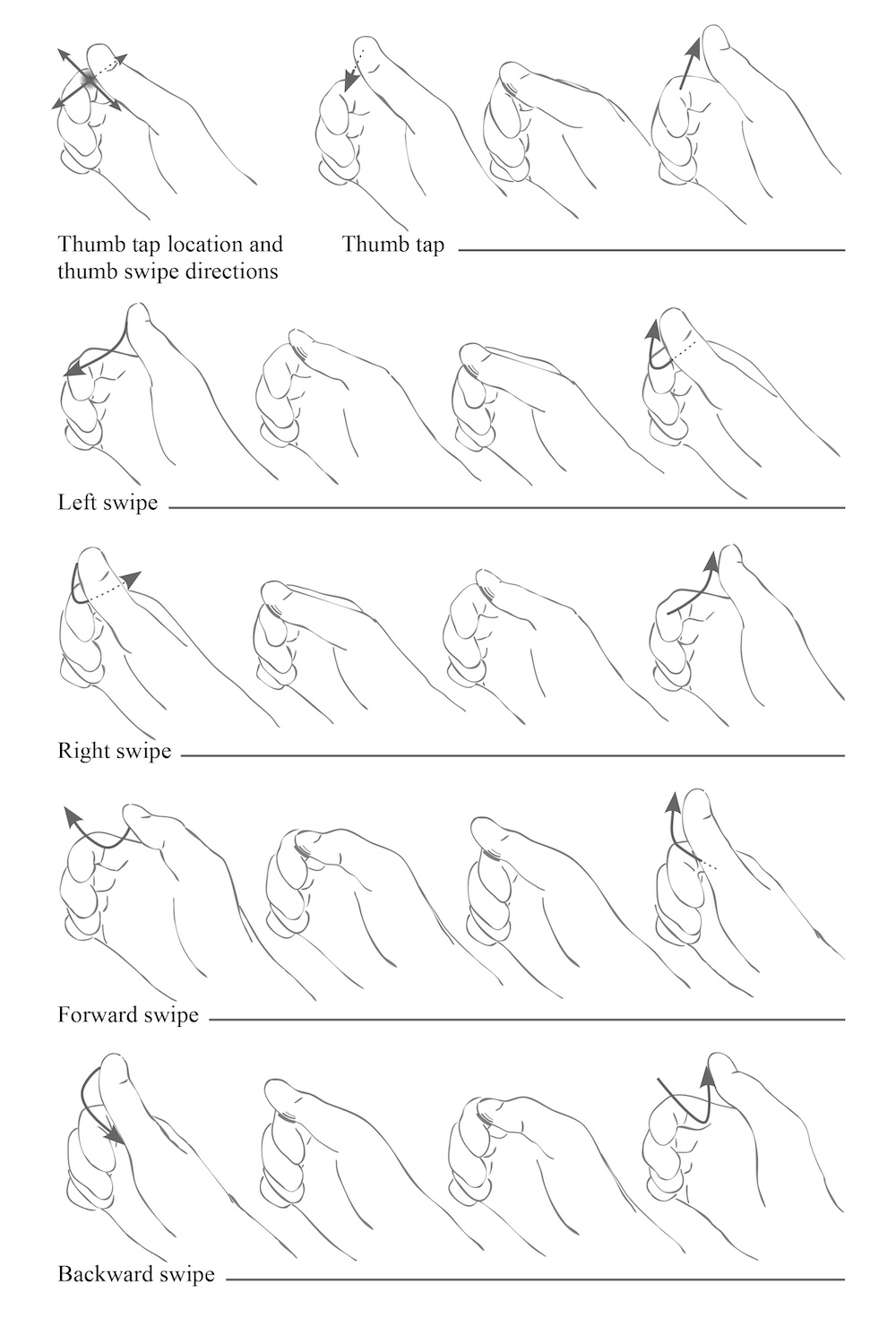
Meta has been pushing controller-free input on Quest for years, including the microgestures added in 2025.
Gaze-and-pinch is the interaction Apple Vision Pro made familiar. Apple's Vision Pro user guide describes navigating with your eyes, hands and voice, with selection made by tapping index finger and thumb together. It is now in a toolkit for things that run in a browser rather than through a store.
An SDK release is not a shipped app, though. Nothing a Quest owner opens in the browser changes because 1.0 landed, because a developer has to adopt the version and rebuild first.
Meta takes its WebXR toolkit out of early access
Meta introduced the SDK as a WebXR development toolkit available in early access, and the first @iwsdk/core package went up on September 17, 2025. Version 1.0 lands just over a year later, which is a long stretch in early access for a framework aimed at everyone building for the immersive web.
Meta describes it as "a framework for WebXR and browser-based 3D apps" that "combines Three.js rendering with an Entity Component System (ECS)". On top of that sit locomotion and grabbing, spatial audio and Havok physics, scene understanding and environment raycasts, and UIKitML for spatial interfaces.
The RayInteractable system named in the release note is the SDK's existing pointing model, so gaze-and-pinch is being wired into interaction code developers have written rather than bolted on beside it.
WebXR reaches a million Quest users a month, Meta says
Meta put a figure on the audience in that early-access post: since Connect 2024 it has had "an average of 1M+ users engage with WebXR experiences every month on Meta Quest". A browser-based interaction change reaches that audience with no store review and no install.
Controller-free input is where Meta has been heading in native software too. Its VR Glasses are launching with more than 75 hand-gesture games in spring 2027, and Quest headsets picked up microgestures, small thumb movements against the index finger, in 2025.
Developers can build for it without a headset
Meta's documentation says the SDK ships with a managed browser, XR emulation, a scene editor and command-line tools, so a developer can work in a desktop browser and then open the same HTTPS development URL on a headset. The first hours of a WebXR project therefore need no hardware at all.
Meta has not said which Horizon OS version or which browsers support gaze-and-pinch in WebXR. For now it is something developers can build against, not a feature owners can go and try.

