
Meta's AI glasses now describe eight Brera masterpieces to blind visitors in Milan

Meta's AI glasses can now recognise eight artworks inside Milan's Pinacoteca di Brera and play the museum's own spoken description of each one through the frames, and it is a tour a visitor books rather than a demo on a stage. Meta says it launched the pilot, called "Sensing Art", with the Pinacoteca di Brera and EssilorLuxottica on October 14.
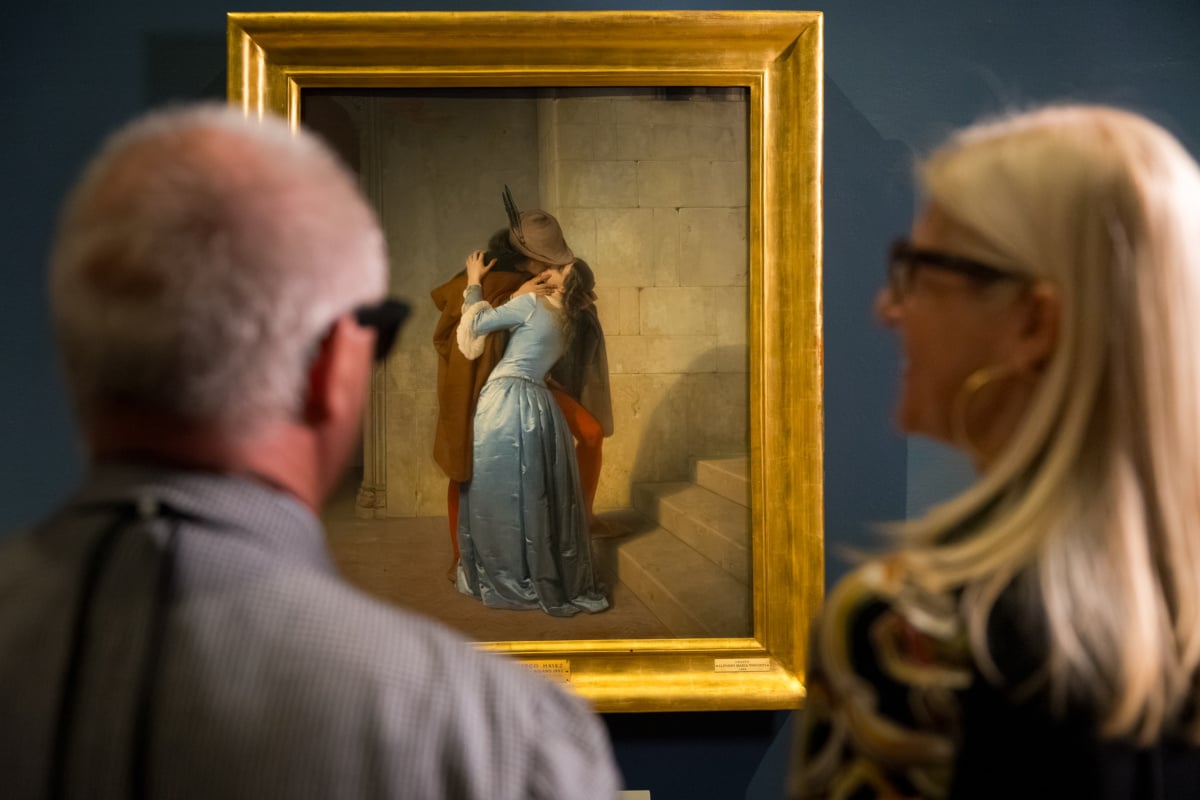
The image Meta published with its announcement of the Sensing Art pilot at Milan's Pinacoteca di Brera. Image: Meta
When a visitor stands in front of one of the eight works, Meta says they activate artwork recognition from the glasses and hear the matching audio description through the open-ear speakers built into the frames. Short orientation tracks cover the walk from one work to the next.
The words are the museum's, not the model's
The glasses hook into the museum's existing Grande Brera app, whose audio tour was developed for blind and low-vision visitors by the Associazione Nazionale Subvedenti. It uses the DescriVedendo method, which Meta describes as translating "an artwork's shapes, composition and visual details into spoken words", so the description a visitor hears was written for the museum rather than produced on the spot.
Two more sight-loss organisations are named alongside ANS, the Unione Italiana dei Ciechi e degli Ipovedenti and the Fondazione Istituto dei Ciechi di Milano. Meta says the pilot went through phases of testing and consultation with blind and visually impaired people, and that their involvement shaped both the experience and how visitors reach it.
Be My Eyes rides along on the same frames
Two further tools are available during the tour. Meta AI answers questions about the context and the surrounding environment, and Be My Eyes connects the wearer through the glasses to sighted volunteers and qualified operators for real-time support with orientation and practical tasks.
The open-ear speakers are part of the pitch rather than a compromise. Meta says they help the visitor "stay fully aware of their surroundings", which in a gallery means hearing the room and the people in it while a description plays.
Booking is by reservation, and the model is unnamed
Access is by reservation, with the glasses available Tuesday to Friday from 10:00 to 16:30. Meta gives no end date for the pilot, no fee and no visitor numbers, and it calls the project "one of the first projects of its kind in the world".
It also calls the hardware "AI glasses developed by Meta and EssilorLuxottica" and gives no model or generation number, so an owner cannot tell from this whether their own pair would do any of it outside Brera. The scale Meta puts on the need is national: it says over one million people in Italy are blind or visually impaired.
"Technology reaches its greatest potential when it succeeds in making information and daily experiences more accessible, natural, and immediate," said Maxine Williams, VP Accessibility at Meta.
Angelo Crespi, Director of Grande Brera, put the museum's side of it this way: "Making heritage accessible means creating the conditions so that everyone can build their own relationship with art."
Meta's accessibility push is not confined to Milan
Meta announced on October 8 that it is donating 1,000 Ray-Ban Meta glasses to four Singapore organisations working with people with disabilities, with a $30,000 training grant, and its accessibility work on its AI glasses also includes a hearing feature Meta says is FDA-cleared. What is different at Brera is that the glasses have been written into a museum's existing accessibility tour as the device that identifies the artwork, rather than demonstrated alongside one.
For now it is eight works in one Milan gallery, on a reservation, with no end date published.

