
Google opens SynthID Detector worldwide, and says Apple's AI content comes soon
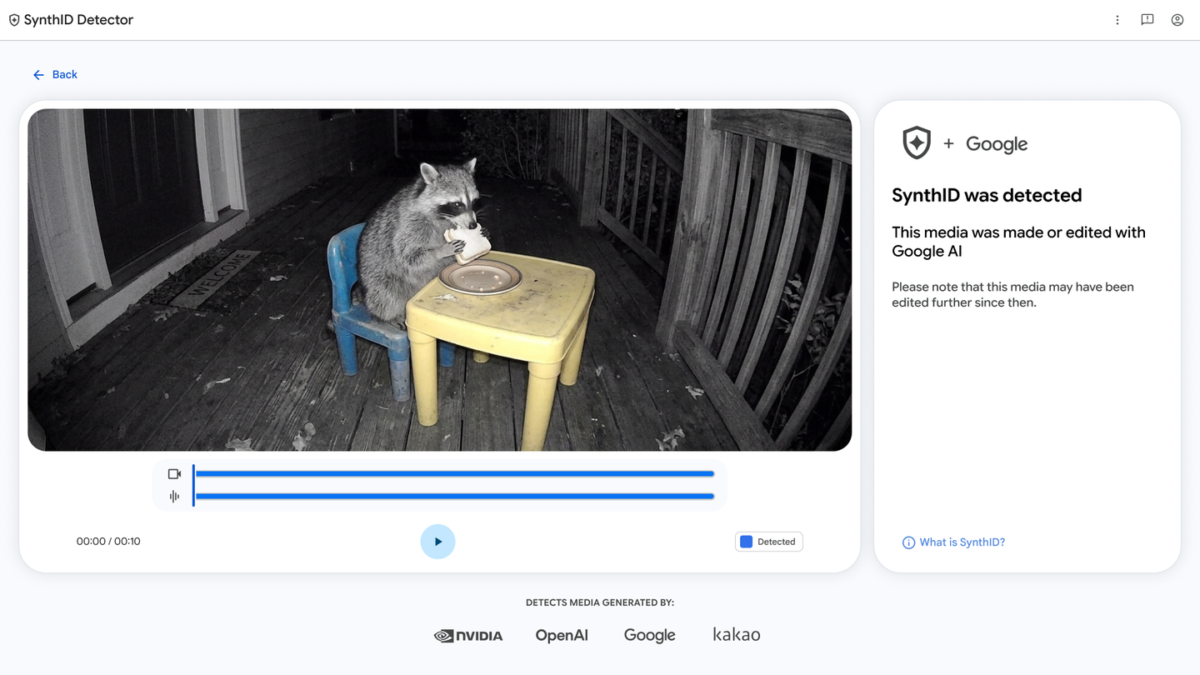
Google has opened SynthID Detector to everyone, globally in English, so anyone can drop in an image, video or audio file and be told whether it carries an AI watermark the tool can read. It reads Google's own mark plus those of OpenAI, NVIDIA and Kakao, and Google says Apple is coming.
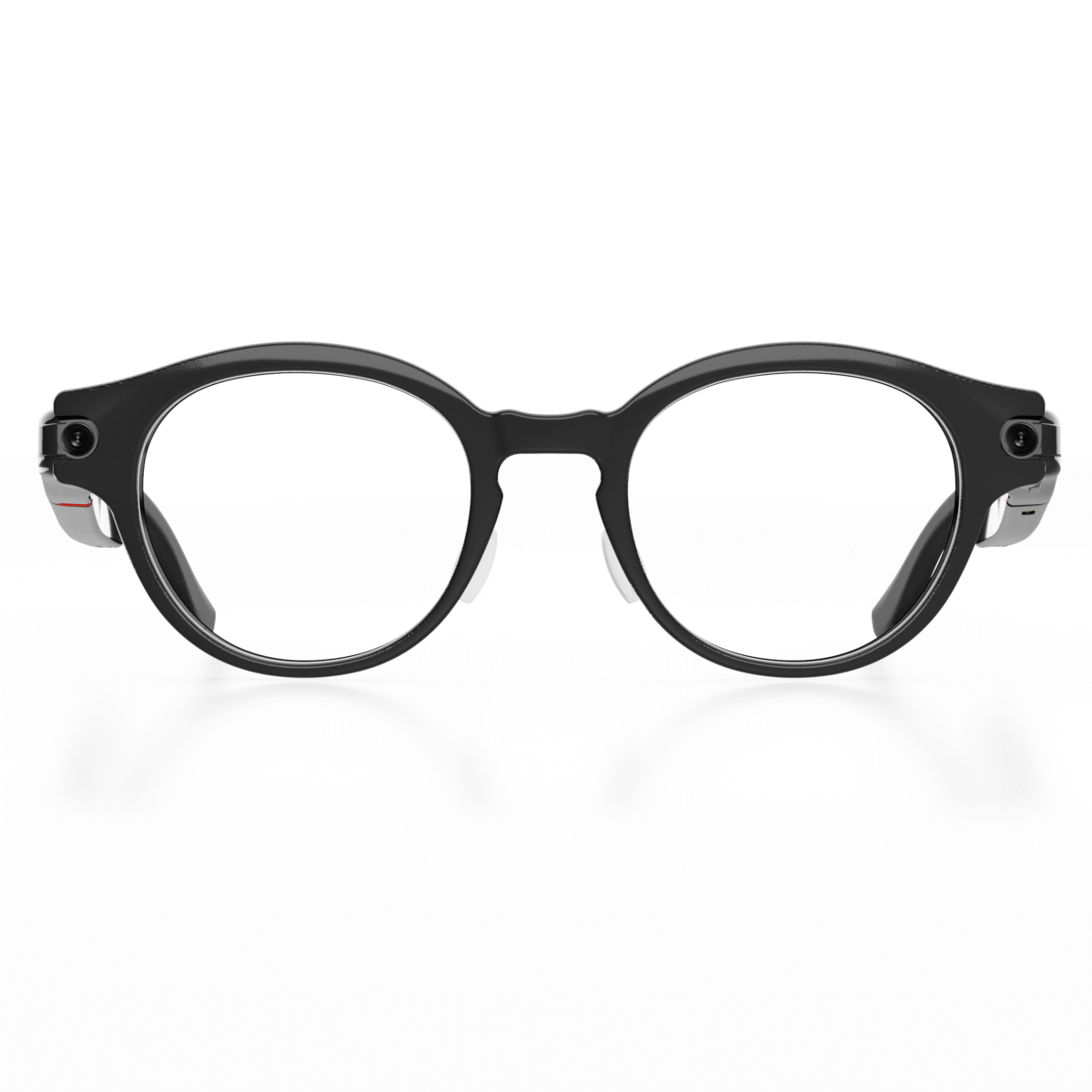
A front view of the black Solos Prime 2 smart glasses, with a small camera at each outer corner. A watermark detector can only speak for files whose maker chose to mark them. Image: Solos
Pushmeet Kohli, VP of science and strategic initiatives at Google DeepMind, set the partner list out in a post dated October 7: "anyone can easily check if an image, video, or audio file was made with AI from Google or our partners, including OpenAI, NVIDIA, Kakao, and soon, Apple." The identical sentence sits on DeepMind's own SynthID page, so it is current wording rather than a launch-day line. Both were read at 21:07 UTC on October 8, 2026. The portal itself is at synthid.com.
The image at the top of that post is a screenshot of the detector, with a raccoon video flagged "SynthID was detected" above a footer reading "DETECTS MEDIA GENERATED BY:" and four marks: NVIDIA, OpenAI, Google and kakao. Apple appears in Google's sentence and not in Google's picture, no date is attached to the word "soon", and it is Google's word rather than Apple's.
The numbers Google puts behind it
Since SynthID launched in 2023, Google says it has watermarked "over 180 billion images and videos, along with 240,000 years of audio content". The detector joins verification features built into Search, the Gemini app and Chrome, which the post says "now regularly handle over 1 million requests daily".
Those built-in checks are the ones most people will meet, and DeepMind's page describes the route plainly: upload a file to a Gemini chat and ask whether it was created or altered by Google AI. The standalone portal is for the file that did not arrive through a Google surface, and reaching it used to mean asking for access. DeepMind says the detector launched in 2025 as a verification portal and was tested with journalists and media professionals before this opening.
What it can and cannot tell you
SynthID Detector looks for watermarks. It reads Google's own mark and those of the named partners, and nothing in the post claims it identifies AI media that carries no watermark at all. A clean result therefore means "no mark found", not "not made with AI", and the detector's own result panel is careful about the other direction too, warning that media flagged as AI-made "may have been edited further since then".
The mark itself is meant to survive handling. DeepMind says the image and video watermark is added as the content is created and designed to stand up to cropping, filters, frame-rate changes and lossy compression, while the audio watermark covers output from its Lyria music model and NotebookLM's podcast feature and resists noise, MP3 compression and speed changes.
For anyone recording with camera glasses, the limit decides what the tool is good for. It will not tell you whether a clip someone filmed on their Ray-Ban Meta or Snap Specs was generated rather than captured, because that question is only answerable when the generator chose to mark its output. It will tell you whether a file came out of a system that takes part in this scheme.
Google's watermarking work reaches past media files. DeepMind has applied the same idea to AI-designed proteins, and OpenAI is preparing to watermark ChatGPT text in the EU. Google's post gives no date for Apple, and the footer in its own screenshot names the four marks the detector reads: NVIDIA, OpenAI, Google and kakao.

