
Meta's glasses toolkit 1.0 reaches React Native, but apps using it cannot be published
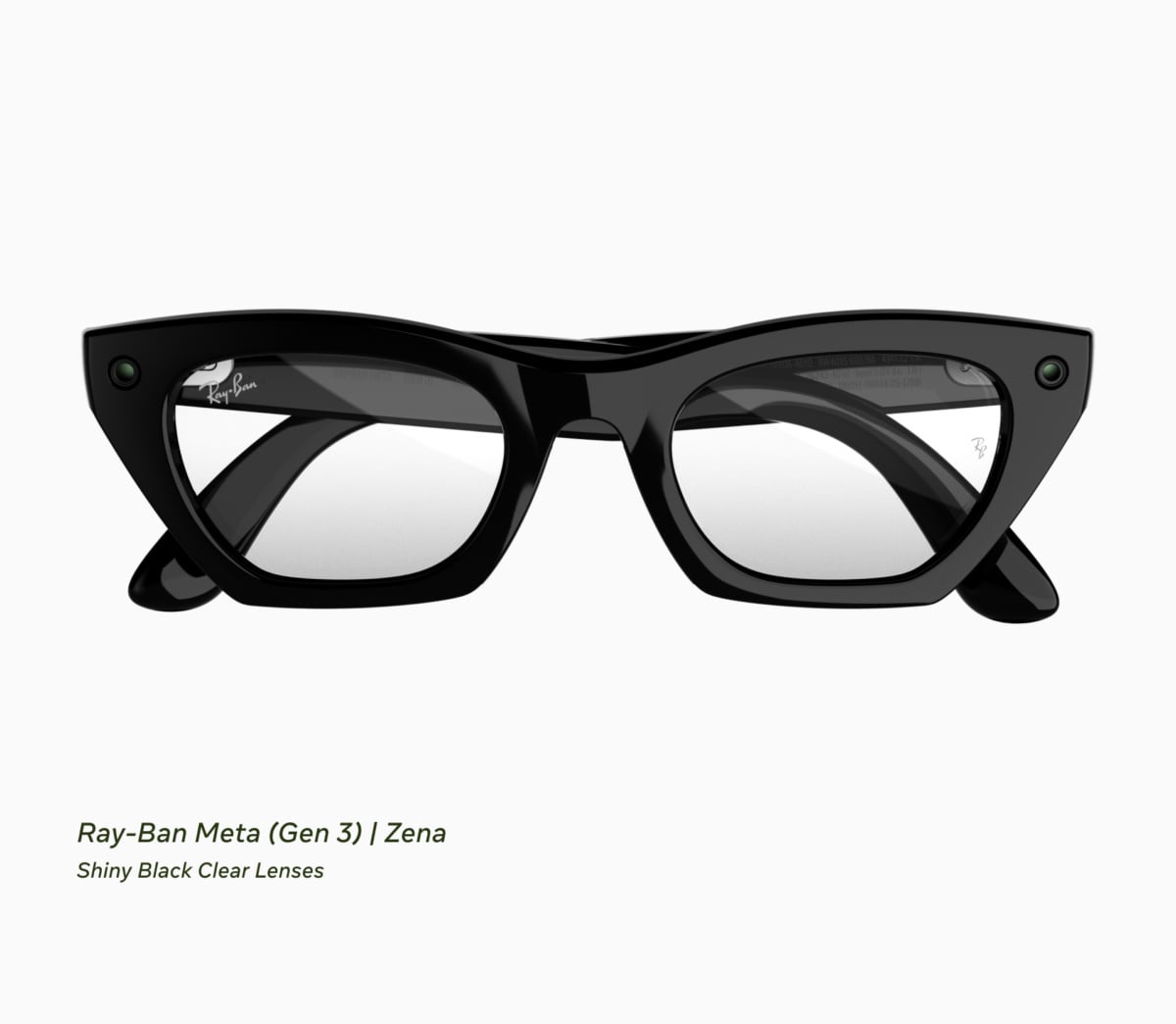
An independent Expo module published on October 3 at 18:35 UTC became the first third-party package to wrap version 1.0 of Meta's Wearables Device Access Toolkit for React Native. It exposes the experimental capabilities Meta shipped in that release, and Meta's own changelog says apps built on those capabilities "cannot be published yet".
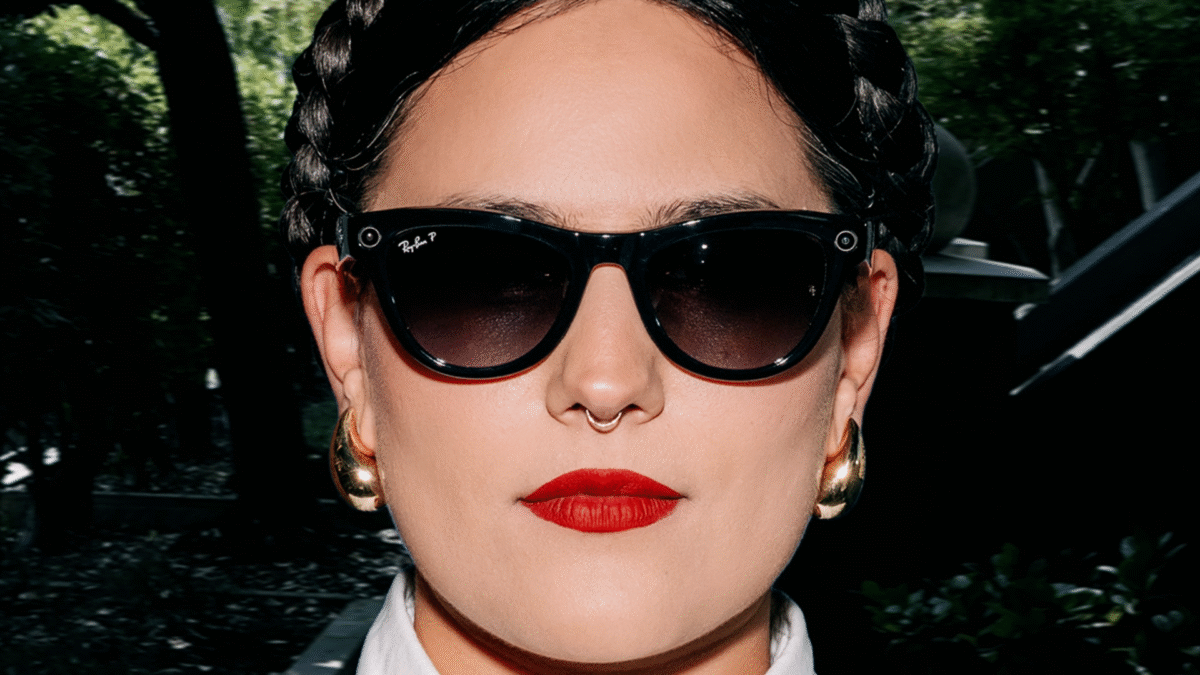
Ray-Ban Meta being worn. The toolkit's device state can tell an app when the glasses are put on, taken off or folded. Image: Meta Image: Meta
The package is @chrisgocode/expo-meta-wearables-dat 2.2.0 and its changelog entry reads, in full, "upgrade to DAT 1.0 and expose experimental capabilities". Its README carries a disclaimer that the project "is not affiliated with, endorsed by, or sponsored by Meta Platforms, Inc." and describes itself as "an independent, community-maintained wrapper". Four other React Native wrappers for the same toolkit sit on npm, last published between January and July, all of them before 1.0 existed.
Meta shipped six capabilities it will not let you release
Meta's toolkit reached 1.0.0 on Maven Central at 17:40 UTC on September 24, after a run of 0.7.0 to 0.9.0 builds. Six of the capability areas in that release are marked experimental: glasses inputs, motion, on-device speech transcription, voice invocations, standalone photo capture and camera audio streaming alongside video.
Meta's rule sits above the whole list. The experimental features "can be built and tested against, though apps using them cannot be published yet", the Android changelog says, and the project README still reads "The Wearables Device Access Toolkit is in developer preview", with audio streaming and camera capture both marked "unavailable for production publishing". A 1.0 version number is not a shipping licence here.
The one addition not marked experimental is device state. An app can read batteryLevel, chargingState, donState, hingeState and thermalLevel from a paired device, which means it can be told when the glasses are put on, taken off or folded shut.
The same release adds an error that can stop an app dead. Meta describes DeviceSessionError.INSUFFICIENT_SDK_VERSION as "A terminal error indicating that developers must release a newer version of their app built with the current SDK", so a glasses app that falls behind the toolkit stops working rather than degrading.
The toolkit is split across seven artifacts on Maven Central under the com.meta.wearable group: mwdat-core, camera, display, inputs, motion, speech and mockdevice. Meta also folded in what it calls Muse Code support, described in one line as "Use your Muse Code tools to build with DAT", and added mock kits for inputs, motion, speech, voice invocation and camera capture so each new capability can be exercised without a pair of glasses on the desk.
The wrapper has been on one pair of glasses
Its README is unusually frank about what has been tried. Ray-Ban Meta is listed as verified. Ray-Ban Meta Optics, Oakley Meta HSTN and Vanguard and Meta Glasses are all listed as untested, and Meta Ray-Ban Display appears as "display capability wrapped; untested on hardware". Background streaming is a stated non-goal because "the SDK doesn't support it".
Running it needs React Native 0.76 or newer, Expo SDK 52, iOS 17.2, Android API 31 and Xcode 16, and it will not run inside Expo Go. The package moved to its current name on September 4 with DAT 0.9, which is when the iOS floor rose from 16.0 to 17.2 and display support arrived.
Meta is publishing glasses development tools faster than it is opening the door behind them. Its Ray-Ban Display web toolkit added voice control for web apps on October 3, and its Immersive Web SDK reached 1.0 in September. A mock device module ships with the native toolkit so developers can build without owning a pair, which is just as well, because the capabilities this release just exposed are the ones they cannot ship.

