
D-Day VR Museum drops its headset requirement on October 27, and the VR version stays
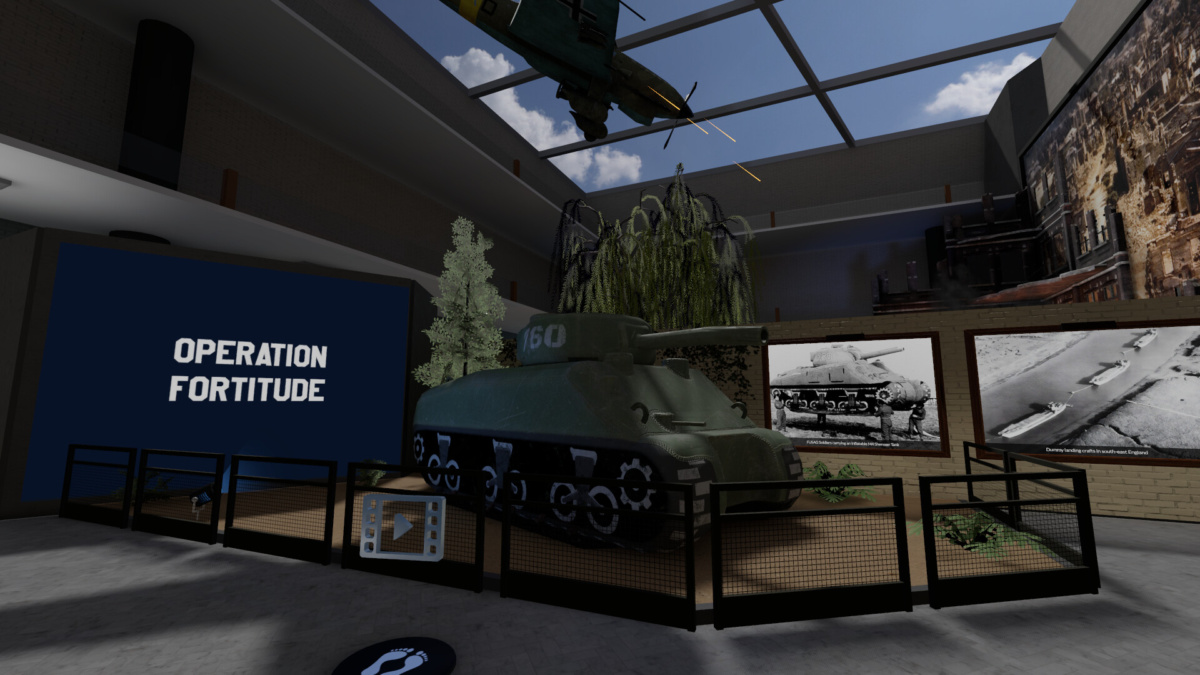
On October 27, D-Day VR Museum stops needing a VR headset. "With the upcoming update, D-Day VR Museum will become accessible on a regular PC, allowing visitors to explore the virtual museum on a standard monitor without VR hardware," says an announcement published at 09:12:24 UTC on October 10.
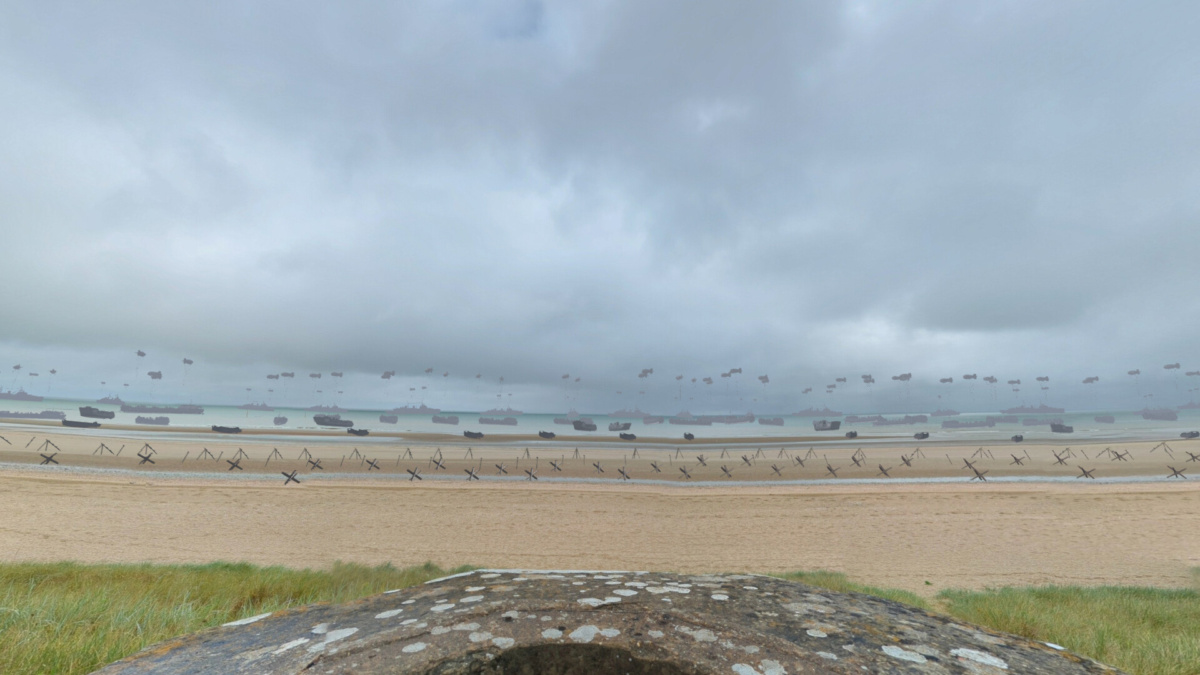
A D-Day VR Museum screenshot from the game's Steam page. Image: Lichtblau IT
The post is headed "Coming October 27: Visit D-Day VR Museum Without a VR Headset", and names no other date. It carried no later edit when it was read at 21:44 UTC on October 10.
The VR version is not being replaced. "The existing VR experience will remain fully available," the post says. "The new Desktop experience is an additional way to visit the museum."
The headset has been the condition of entry until now
Steam gives the museum's release date as January 20, 2026, its developer as Lichtblau IT and its publisher as Diverently GmbH, and its store page sells it as "a unique blend of a traditional museum and immersive exploration of the iconic places in Normandy on D-Day in Virtual Reality". Its listed minimum, read at 21:46 UTC on October 10, asks for an Nvidia RTX 3070 or similar, 8GB of memory and 18GB of storage, with VR support given as "OpenXR, requires motion controllers". Those are the requirements for the version that exists now, and the post gives no separate specification for the desktop mode.
That requirement line is what October 27 changes. The post names no version number and does not describe what the desktop controls will be.
Announcements on the app have been sparse. A Quest 3 edition was announced on April 29 for a May 7 release, with the developer writing that they had been working "to bring the PCVR version to the Meta Quest 3". That post was followed by a sale notice on June 1 and Update 1.0.4 on June 26, and then nothing for 106 days. The October 27 note says nothing about the Quest 3 edition, which is a separate build and is not part of this change.
The run-up was documented the same way. The studio said version 1.0 would launch on January 20 in a note dated January 9, shipped it on the day, and followed with a hotfix pair, 1.0.1 and 1.0.2, on February 5. Steam files the result under Action and Simulation, single-player, with Steam Achievements and tracked controller support.
The barrier the developer chose to remove
One sentence carries the reasoning: "Opening the museum to visitors without VR hardware is an important next step." The post opens with the plain version of the same thing: "Until now, visiting D-Day VR Museum required a VR headset."
There is more than one way to do this on Steam. Echoes of Mora launched on September 21 as two separate apps, one VR and one flatscreen, rather than one app with two modes. D-Day VR Museum is taking the other route and keeping it all under the listing it has had since January, which carries the VR Supported tag rather than VR Only. From October 27 the desktop mode is what sits behind that tag, and a visitor who buys the app gets both ways in rather than choosing between two store pages.
For a reader with a headset, nothing is being taken away on October 27, and the post says so outright. For everyone else, a museum built around Normandy in 1944 becomes something you can walk through on an ordinary monitor, 17 days after the post that announced it.

