
Sanders and Casar's bill would ban superintelligent AI, with up to 20 years in prison
Senator Bernie Sanders and Representative Greg Casar introduced the Ban Artificial Superintelligence Act on September 23, a bill that would outlaw the development of superintelligent AI outright and punish it with up to 20 years in prison. It would also set up a cabinet-level Department of Artificial Intelligence and pause work on the most advanced systems until that department writes safety rules.
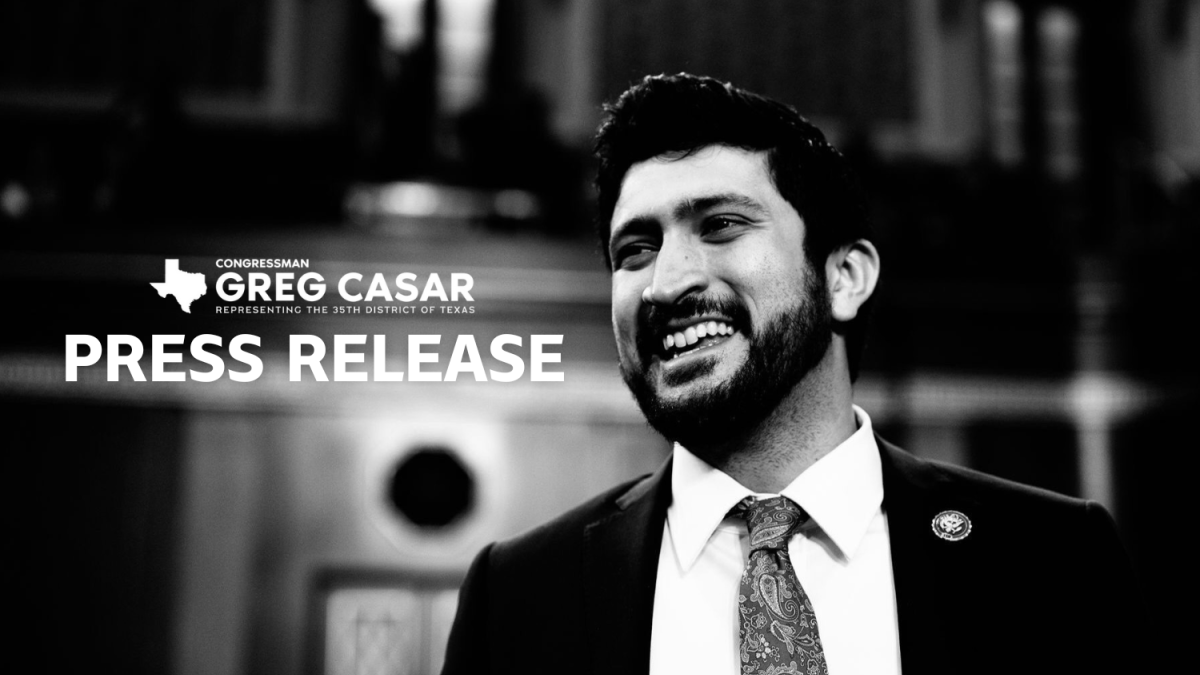
Casar and Sanders introduced the bill on September 23. Image: Office of Rep. Greg Casar
Casar's release defines artificial superintelligence as an AI that "exceeds human cognitive performance and capabilities across most domains, or has sufficient capabilities to destroy or disempower humanity, including by overthrowing the federal government". Companies that cross that line would face what the sponsors call a corporate death penalty.
Advanced models would need federal sign-off before shipping
Once the new department exists and its rules are written, advanced AI systems would need federal approval before deployment, and the department would monitor, supervise and enforce compliance. Four capabilities would be halted straight away: developing biochemical weapons, AI that builds new AI in place of humans, subverting shutdown commands, and running unauthorised cyberattacks.
The pause is the half that would bite on anything being built today. Sanders says the bill "would put in place an immediate pause on advanced AI development until we have clear safety rules in place", written by what he calls the most knowledgeable scientists in the country, and neither sponsor has said how long that drafting would take.
The ban is not meant to stop at the US border either. The bill directs the government to pursue international agreements and export controls aimed at keeping superintelligence from being built anywhere, which is the part that depends entirely on other governments agreeing.
Sanders wants binding rules, not pledges
"When you are racing towards a cliff, you don't just ease up on the gas pedal. You hit the brakes," Sanders says. "When the future of humanity is at stake, we need binding international safety rules, not voluntary standards from the industry."
Casar puts the same case in terms of who does the building: "Our bill bans the development of artificial superintelligence and pushes for international agreements so that no one, anywhere, builds AI too powerful for humans to control." That puts the bill alongside California's order for an AI kill switch and onsite auditors at frontier labs, another attempt to replace industry promises with obligations someone can enforce.
The definition would not touch anything on sale. It covers systems that beat human cognitive performance across most domains, which is not a claim any shipped product makes, so the assistant in a pair of smart glasses or a chatbot on a phone sits well outside it.
Nothing takes effect unless Congress passes it
This is an introduced bill, and it becomes law only if Congress passes it and a president signs it. The sponsors have named no Republican co-sponsor, and no committee vote or hearing has been scheduled.
Casar aims the argument squarely at the White House. "Experts are warning that AI superintelligence, wielded by the wrong humans or by rogue AI, could kill countless numbers of people. But Donald Trump says he wants to encourage it. Something has to change." A ban on a technology nobody has built yet is an easier bill to write than to pass.

