
Avenkin's face recognition now defaults off, but an upgraded install keeps it on

Avenkin, the third-party iPhone assistant that puts a non-Meta AI on Ray-Ban Meta glasses, has flipped face recognition from on by default to off, and the code that makes the change deliberately leaves it running for anyone who had it before. The app's privacy notice, effective October 7, states it in one line: "If you used face recognition before this version, it stays on for you."
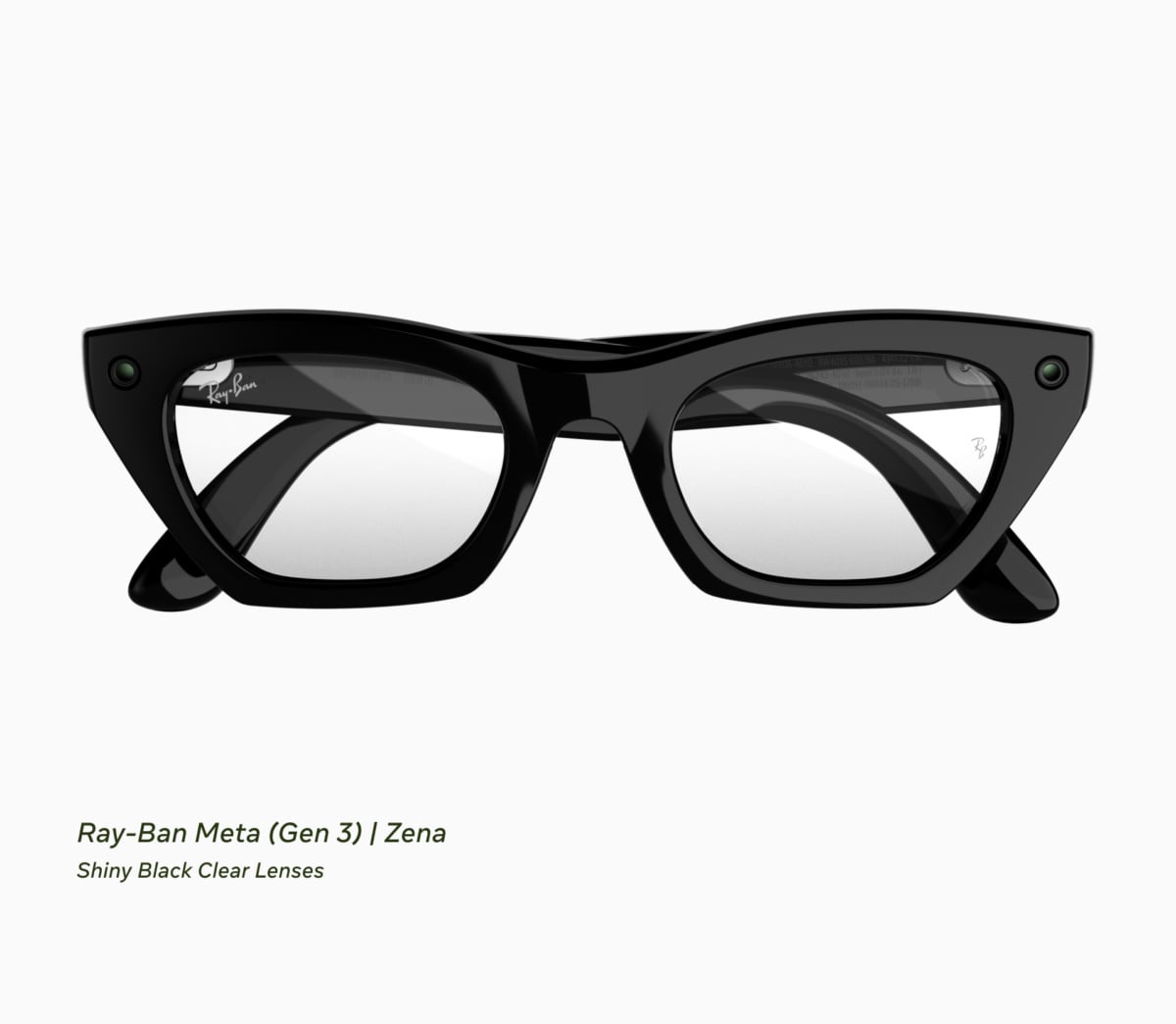
Ray-Ban Meta frames, the glasses Avenkin works with. The app is a third-party project and is not made by Meta. Image: Meta
The change landed in a pull request merged at 18:52 UTC on October 6, read in full at 22:40 UTC the same day. Until that build the app's face recognition preference was declared with a default of true. It now defaults to false, and the developer's comment beside it says a biometric identification feature "is opt-in, so the default is off".
A migration decides once, at the first launch after the change
The pull request adds a file called CapabilityDefaultMigration.swift whose own doc comment reads: "Face recognition used to default on and now defaults off (EU AI Act review §3.1: a biometric identification feature should be something a wearer chooses, not something they find running)." The code names that regulation; it does not say what the regulation requires.
The rule it applies has three outcomes, and it runs once. An install where onboarding was completed before this build, or where at least one face is already enrolled, has recognition switched on and written down as a stored value. A fresh install is seeded off, in the file's words, "so a later default change cannot flip it". An install where the switch already holds a value is left alone.
There is a fallback for the awkward case. Where the stored face database exists but cannot be read, the file counts it as non-empty, because "an unreadable database errs toward keeping it". Recognition stays on then too.
The notice says the person enrolled is not told
The privacy notice published to the project's repository, read at 22:39 UTC on October 6, describes the feature this way: "Face recognition is off unless you turn it on, in Settings, 'Devices & Privacy', 'Glasses', 'Enrolled Faces'. It only ever names people you have enrolled, and the app asks you to approve each enrolment before it is saved. The person you enrol isn't told."
It goes on to say the app keeps a numerical description of each face with the name given to it, never stores a photo, matches on the phone using Apple's Vision framework, and never uploads the descriptions.
The settings screen the notice points at is new in the same change. Its footer, in the developer's own strings, reads: "Names people you've enrolled when they're in front of your glasses. The person isn't told. You're responsible for using this lawfully where you are."
The notice names a controller and no EU or UK representative
Skunkworks NZ Ltd is named as the company responsible for the personal information handled, "the controller, in the words of the GDPR". The notice says the New Zealand Privacy Act 2020 applies to everyone using Avenkin, and that the GDPR or UK GDPR applies as well for people in the European Union, the European Economic Area or the United Kingdom. On representation it says: "We have not appointed a representative in the EU or the UK. If you are there, contact us directly."
Avenkin is not Meta software, and Meta ships no face recognition on these frames. It is one developer's app, renamed from OpenGlasses at the end of September, and everything above comes from its published code and notice.
One more switch went the other way the same evening. At 19:31 UTC on October 6 the developer removed the Expressive Voice toggle, with a commit message saying it "switched on a behaviour the app does not have" and that "nothing read the flag but the toggle itself". The stored value is left in place, unread.


For people that don’t know, and the reporting fails to mention, face recognition is trained by the user. This isn’t some automated system. There is also a pretty cool blur to faces in pictures and videos – a very cool option!