
“I want people to have a lot of RAM”: Sam Altman revisits his PC memory comments

OpenAI CEO Sam Altman says he wants people to have plenty of RAM in their own computers, returning to comments about memory use that drew criticism from PC owners. In a new interview with Semafor, he also defended part of his argument about sharing a limited memory supply.
“I want people to have a lot of RAM,” Altman said, adding that he thinks home tinkering is valuable. His clarification matters to anyone who uses their PC for gaming, development or running AI models locally, because those uses all depend on memory being available on the machine.
The featured photo shows Altman at an earlier public event, not the Semafor interview. The memory photographs below are illustrative and do not show the particular kit linked in this article.
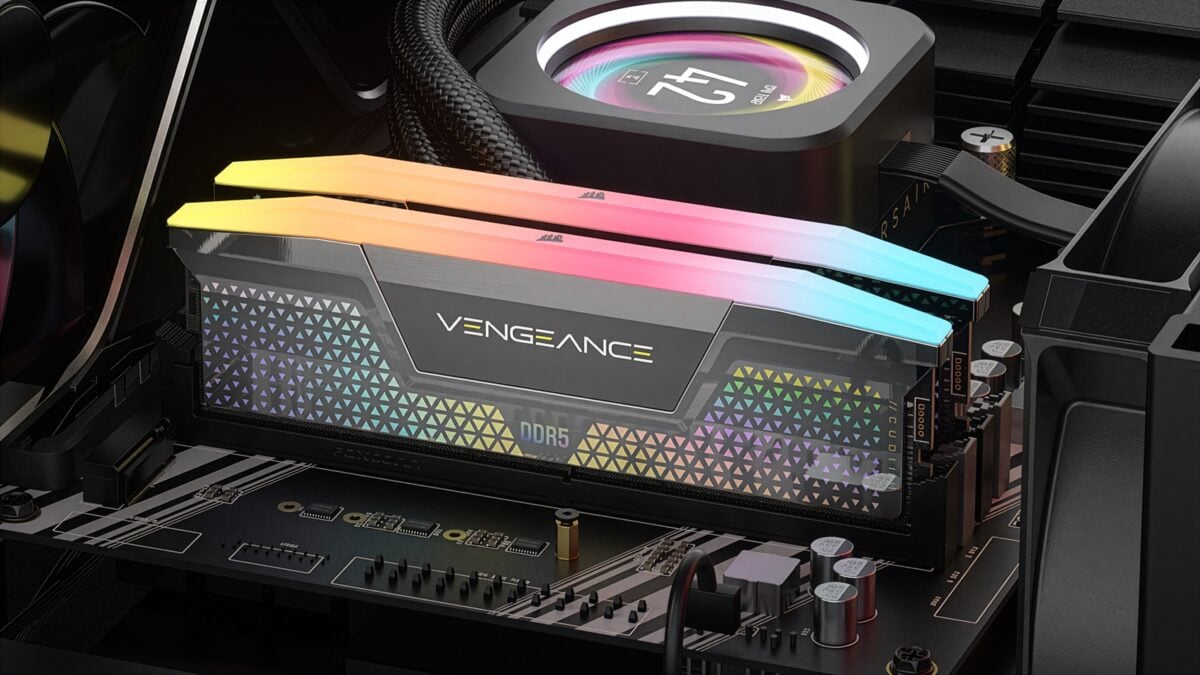
An illustrative DDR5 configuration; this is not the memory kit linked below. Image: Corsair / Tom's Hardware
Altman says his earlier memory remarks were misinterpreted
In an October conversation on Cheeky Pint, Altman argued that, from a global allocation perspective, keeping limited DRAM in personal computers where he said it went unused most of the time was a poor use of supply. He was discussing local AI inference and the memory shortage.
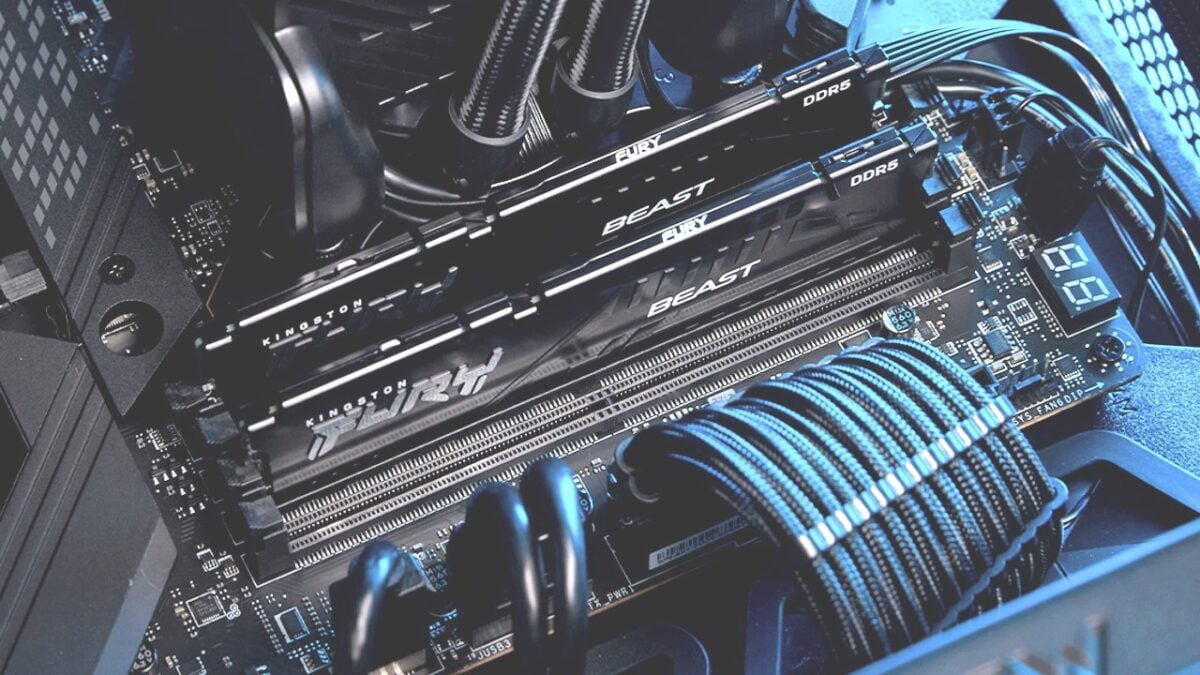
Desktop memory needs to match the motherboard and processor. Image: Kingston Technology / PC Gamer
Speaking with Reed Albergotti at Semafor's Silicon Valley & The World event, Altman said he wants people to be able to buy RAM for their computers. He also said he thinks the original comments were misinterpreted.
His remaining argument concerns how a constrained supply is used. Altman suggested shared memory could be kept working more consistently than memory sitting idle in an individual device, while acknowledging there are other trade-offs, including people running AI inference at home.
Those are his views on allocation, not a rule that PC owners should give up local memory. Available RAM lets a computer handle its own applications and temporary peaks in demand, and a remote service is a different choice with its own connectivity and privacy considerations.
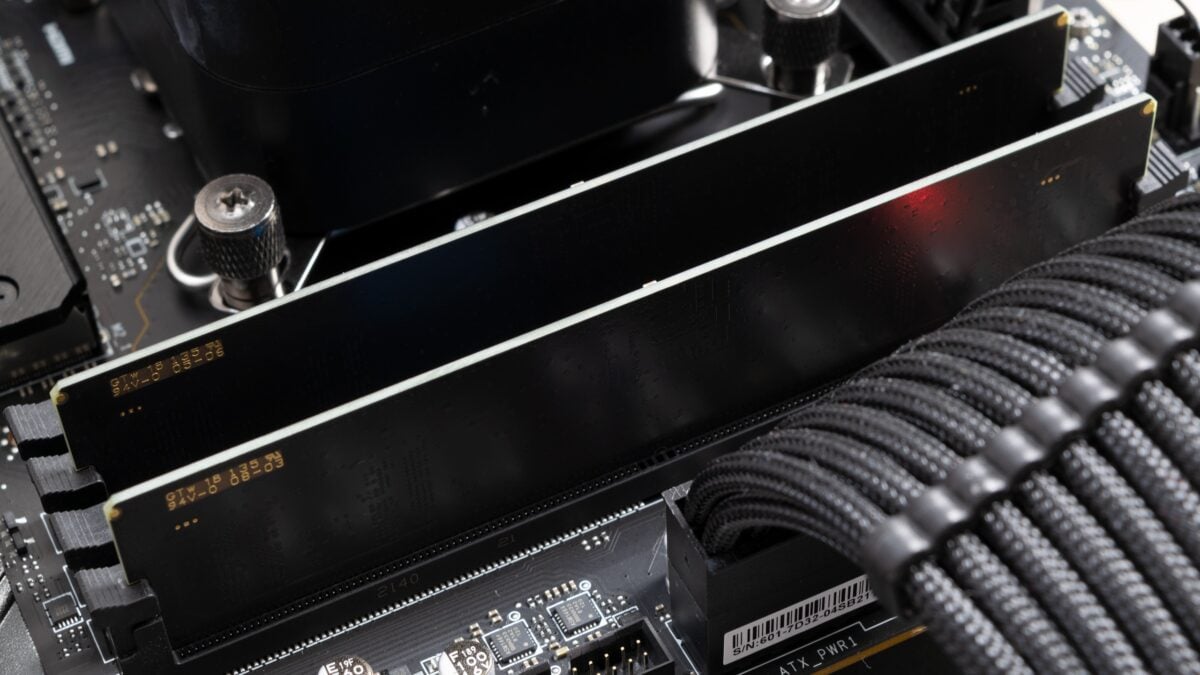
Another illustrative desktop memory kit; this is not the product linked below. Image: Tom's Hardware
The supply question is separate from an individual upgrade
During the interview, Altman argued the industry should have expanded the memory supply chain earlier. He offered a rough estimate for how much DRAM prices had risen, but also said he did not know the exact figure. I would not treat that estimate as a measurement of every desktop memory kit or every market.
The question of who gets access to memory has become more sensitive for PC builders watching prices. MIXED previously reported on one 128GB DDR5 kit's price increase in Japan; that was a specific product and market, not a measure of all RAM prices.
If you are considering an upgrade, check your motherboard's memory generation, supported capacity and module type first. A desktop DDR5 kit will not fit every PC, and many laptops have different or non-upgradeable memory arrangements.
For example, Amazon lists a Corsair Vengeance 32GB DDR5 desktop kit. It is one option rather than a universal recommendation; confirm compatibility and the current listing before buying.
Image credits: Carlos Barria / Reuters, via Semafor (Altman at an earlier event); Corsair / Tom's Hardware; Kingston Technology / PC Gamer; Tom's Hardware.
Note: Links to online stores in articles can be so-called affiliate links. If you buy through this link, MIXED receives a commission from the provider. For you the price does not change.
As an Amazon Associate we earn from qualifying purchases.

