
“At the time though, it was criticized”: Sakurai on why Smash broke fighting-game conventions
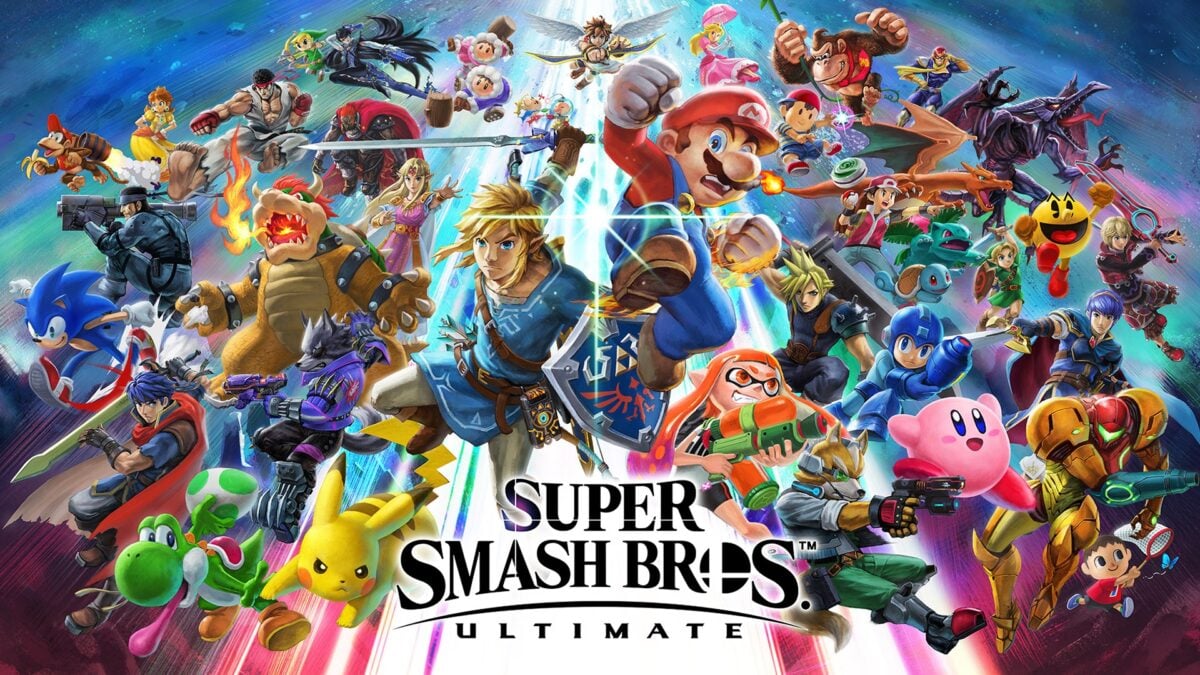
Super Smash Bros. is now one of Nintendo's best-known series, but creator Masahiro Sakurai says its differences from traditional fighting games were not immediately welcomed by everyone.
Looking back at the original game, Sakurai recalls criticism from people who expected something closer to Street Fighter II or Virtua Fighter. He believes the series needed its own rules to stand apart.
“At the time though, it was criticized,” he said, discussing players who struggled with those differences. His wider point is about the uncomfortable space between giving people something familiar and making a game that has an identity of its own.
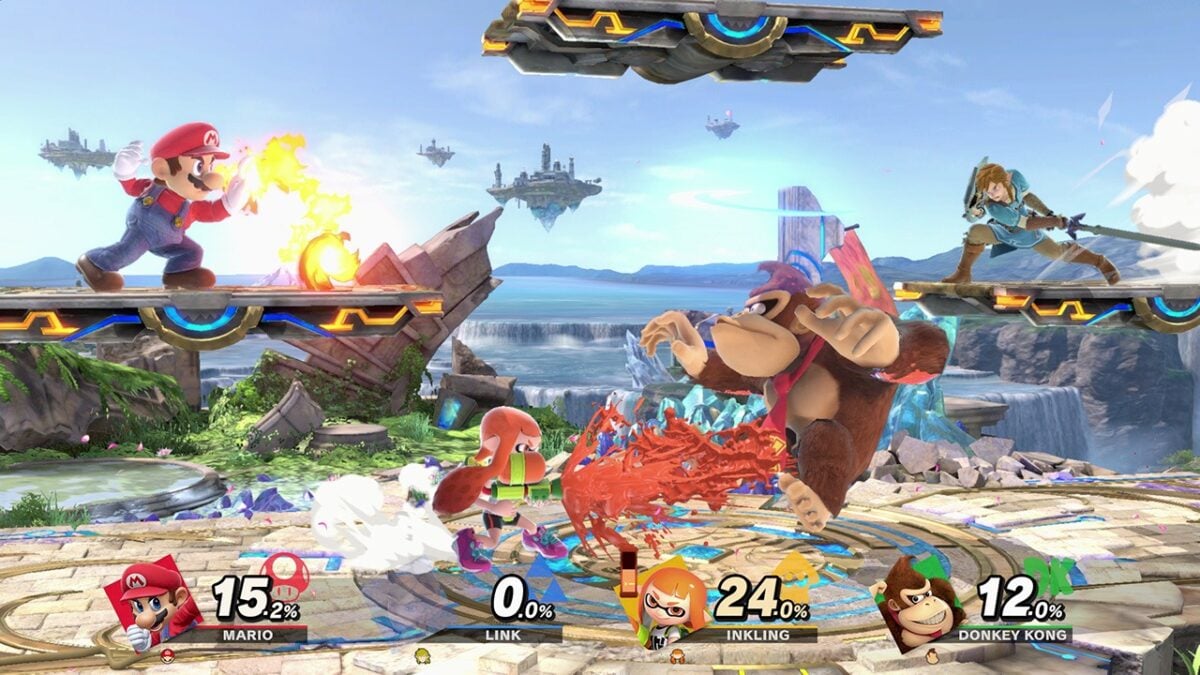
Super Smash Bros. Ultimate is a later entry in the series Sakurai created. Image: Nintendo
Why Smash Bros. does not follow the usual fighting-game rules
In an October interview with Denfaminicogamer, translated into English by Nintendo Everything this month, Sakurai imagines what the first Smash Bros. might have looked like as a conventional one-on-one fighter.
Under that hypothetical version, a player's energy would run out and the match would end with a knockout. Sakurai doubts the original game would have been released in that form, and thinks it could have been dismissed as a novelty even if it had made it out.
Instead, he points to accumulating damage and positioning as the ideas he was confident would make the game fun. In Smash, damage increases a fighter's vulnerability to being launched away; staying on the stage becomes part of the fight.
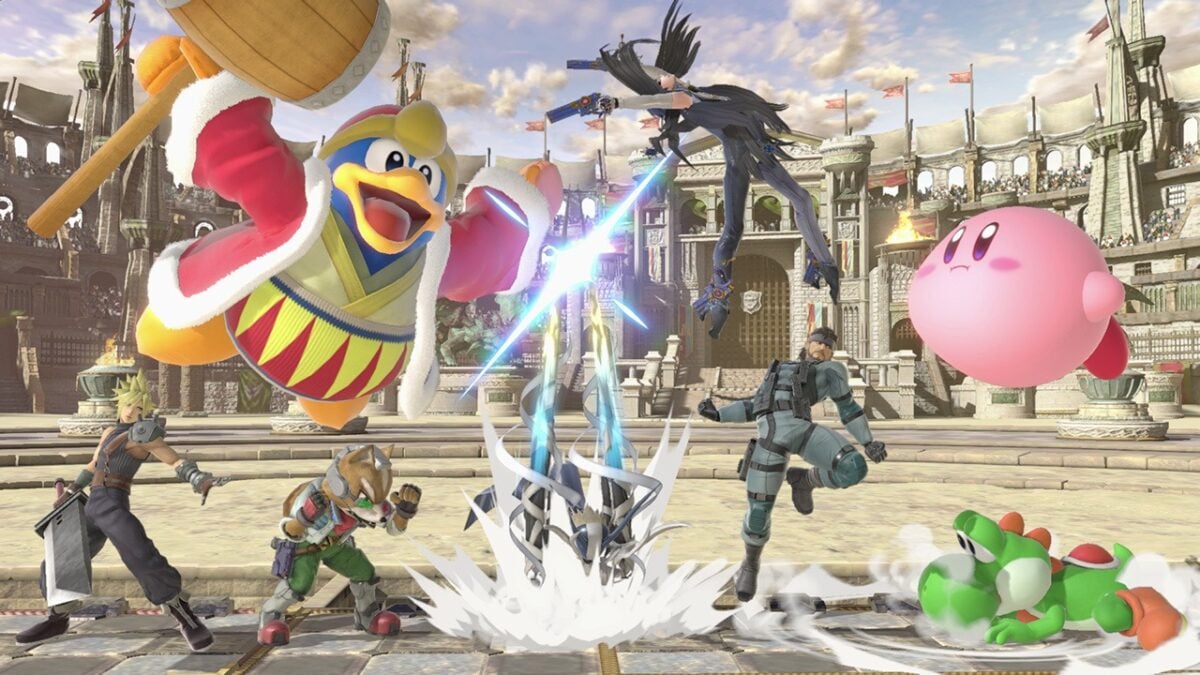
In Smash Bros., positioning matters as damage makes fighters easier to launch. Image: Nintendo
Original ideas can be hard to explain
Sakurai describes a wider problem for creators: when a game changes a familiar formula, some players may feel that something is wrong before they appreciate what the change is trying to do.
He uses the comparison of a familiar food tasting different. The new version may have its own appeal, but the surprise itself can put someone off. At the same time, making a near-identical version of an existing game gives players little reason to choose it over the original.
That challenge can start inside the studio. Sakurai says ideas without a precedent are difficult to explain to staff and difficult to guide toward the intended result. The interview is a retrospective, not an announcement of a new Smash game. We have also covered why Sakurai turned down an Oculus offer.
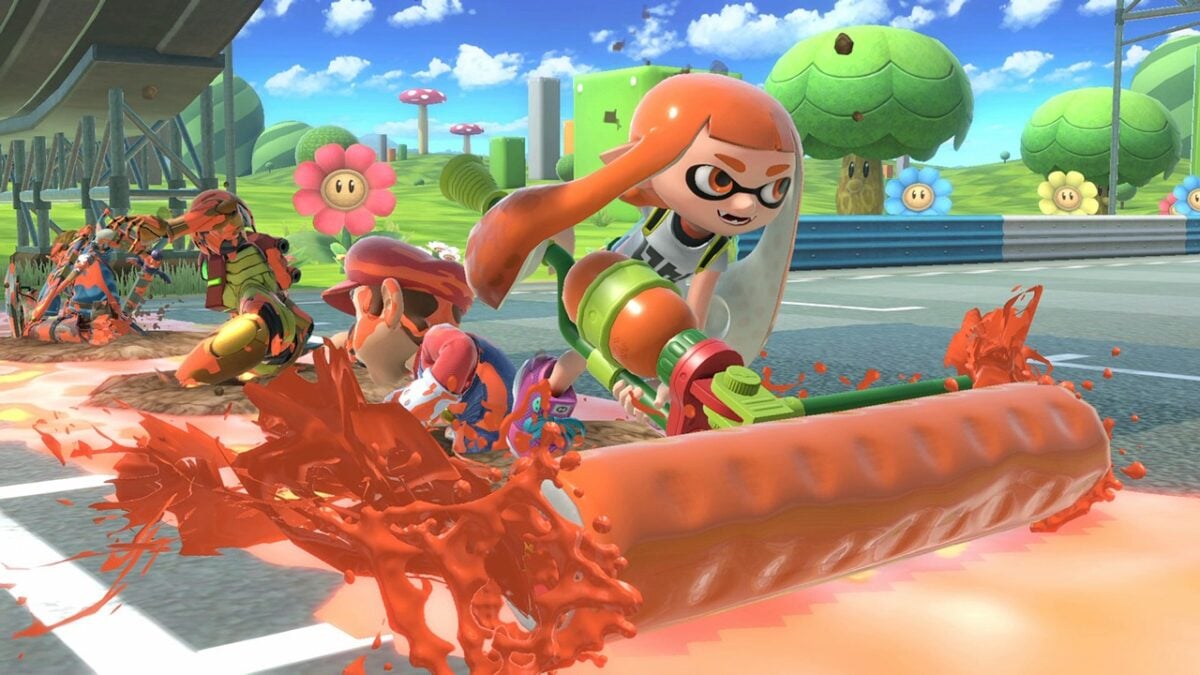
Ultimate includes characters from a range of Nintendo series. Image: Nintendo
A later Smash game brings the series to Switch
The first Super Smash Bros. arrived on Nintendo 64 in 1999. The series has since moved through multiple Nintendo consoles, with each entry adding characters, stages and modes while keeping the idea of knocking opponents off the arena.
The images here show Super Smash Bros. Ultimate, the later Nintendo Switch entry, rather than the 1999 original Sakurai is discussing. Ultimate brings together fighters from across the series along with characters from other games.
If you want to play the current Switch entry, Amazon lists the US physical edition of Super Smash Bros. Ultimate through a third-party seller. Check the platform and seller before ordering; it is a separate game from the original.
Image credit: Nintendo.
Note: Links to online stores in articles can be so-called affiliate links. If you buy through this link, MIXED receives a commission from the provider. For you the price does not change.
As an Amazon Associate we earn from qualifying purchases.

