
Paris prosecutors open a criminal probe into smart glasses used to film women

The Paris prosecutor’s office has opened at least one criminal investigation into suspected sexual harassment committed with smart glasses, it told Reuters. Nobody has been charged, no case has reached a French court, and the prosecutors did not name the brand of glasses involved.
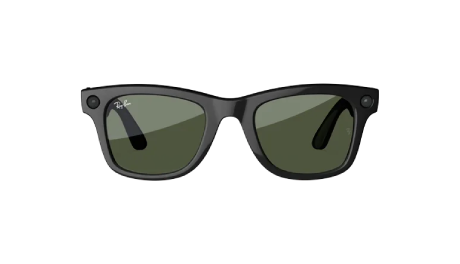
A small light in the frames shows when the glasses are filming, which rights groups say is not the same as consent. Image: Meta
The complaints behind the inquiry are tied to a social media trend of filming women in the street with camera glasses, without their consent, and posting the clips online. The office’s cybercrime unit tested a pair of the devices two weeks before it spoke, to work out which offences smart glasses could be used to commit, and it declined to give any further detail.
French law covers filming someone without consent
Recording the image of a person in a private place without their consent carries up to a year in prison or a €45,000 fine, about $51,700. Enforcement is the hard part, CNIL and other legal sources say, because a clip is shared and reshared long before a complaint moves.
A small light in the frames shows when the glasses are filming, but rights groups say that shifts the job of avoiding a camera onto whoever is standing in front of it. Ines Legendre, a legal expert at the internet safety organisation e-Enfance, put it plainly: “Seeing a light come on doesn’t mean that you consent to being filmed, nor to have your image distributed to thousands of people afterwards.”
Spotting a pair is its own problem, and the workarounds are partial: a free Android app called ZuckOff can pick out Ray-Ban Meta and Snap Spectacles over Bluetooth, but it cannot tell you whether the camera is rolling.
CNIL is fielding fewer than 10 workplace complaints
France’s data protection authority says it has received under 10 complaints about smart glasses used in the workplace, and it did not disclose which brands. It also says businesses are contacting it more often to ask whether they are allowed to ban the devices at work.
Nacera Bekhat, CNIL’s head of economic affairs, says the glasses pose “real challenges” around telling people they are being filmed and getting consent where it is needed. AI-enabled wearables in the EU fall under both the AI Act and the GDPR, which set the rules on how personal data may be used.
Meta points to privacy built into the glasses
A Meta spokesperson said the company had “built privacy into our AI glasses from the ground up” and that “we will keep strengthening our protections as our glasses become even more capable.” EssilorLuxottica, which makes the glasses with Meta, declined to comment. The Paris inquiry follows complaints about people filming women with camera glasses, not about the companies that sell them.
Meta’s CTO Andrew Bosworth made a version of the same argument on September 21, when he said that a small number of bad actors should not shape the debate about camera glasses. The two companies also sell the category’s best-known product: their glasses hold roughly 76% of the global smart glasses market and sold 7 million pairs last year, and EssilorLuxottica’s latest sales figures point to “exponential growth” in 2026.
France is not the only government looking at the devices. Some UK cinemas have banned smart glasses, a German consumer advocacy group has filed a criminal complaint against Meta and other sellers of the devices in Germany, citing privacy law, and Australia said on September 17 that it is considering barring camera glasses from government workplaces, in what it called a possible first.
Ines Girard, who runs projects on technology-facilitated gender-based violence at the feminist organisation Hubertine Auclert, says the industry should be carrying more of that weight. “We can’t respond to a surveillance technology by telling the people being surveilled that they should be more vigilant,” she said. “This places an additional burden on these individuals, particularly women, gender minorities and people already exposed to violence, online abuse and scrutiny in public spaces.”

