
OpenVision 2.14.0 runs Ray-Ban Meta glasses on a ChatGPT subscription, not API credits
OpenVision, an open-source iPhone app that drives Ray-Ban Meta glasses with a model of the owner's choosing, can now be signed in with a ChatGPT Plus or Pro account instead of paid API credits. Version 2.14.0 was published on October 2 at 20:29 UTC, and the project is third-party software with no connection to OpenAI or to Meta.

Abstract library artwork of concentric magenta squares. The subscription sign-in works through a surface the project says is not documented for this use. Image: OpenAI
The app's OpenAI settings now offer a choice between an API key and a ChatGPT subscription, signed in with OAuth. By the release notes, "text, photos, web search and tools work" on the subscription route, and the sign-in tokens are held on the one phone rather than following a backup.
The project attaches its own warning to that route: "This uses the Codex CLI's integration surface, not a documented API, so it can change or stop working without notice." Codex CLI is OpenAI's command-line coding tool, and the sign-in that serves it is not published as something third-party apps may build on.
The project also says that signing in on the phone appears to end a Codex CLI session for the same account, and the other way round. That is the project's own observation about what it saw, not a documented behaviour of anyone's service.
Grok arrives as the sixth backend
The release also adds xAI's Grok over the company's public Chat Completions API, connected either with an xAI API key or a SuperGrok subscription sign-in. The default model is the grok-4.20-non-reasoning alias, and the picker loads whatever list the account actually has rather than a hard-coded set.
Photos taken on the glasses, web search, the app's built-in tools and conversation history all work on Grok, sharing the prompt and tool handling with the OpenAI path. The project's README now counts seven backends in total, among them on-device MLX models, Apple Intelligence and Gemini Live.
Two new voices, one of them never heard
Speech output gains Grok, with 28 multilingual voices that follow the language of the reply, and OpenAI's gpt-4o-mini-tts with 13, which the notes say "needs an API key with credits". Sentences are synthesised as they are written, at most three at a time, and played in order.
The OpenAI voice has not been heard on a phone by anyone who worked on it. The project says it is "not yet verified on a device", because no contributor had API credits, and asks anyone who has them to confirm that it works.
The glasses are not running ChatGPT
Nothing here changes what the hardware does. The glasses supply the camera and the microphone, the phone holds the conversation with whichever account is signed in, and pairing still runs through Meta's own app, which the company makes a requirement for managing its glasses.
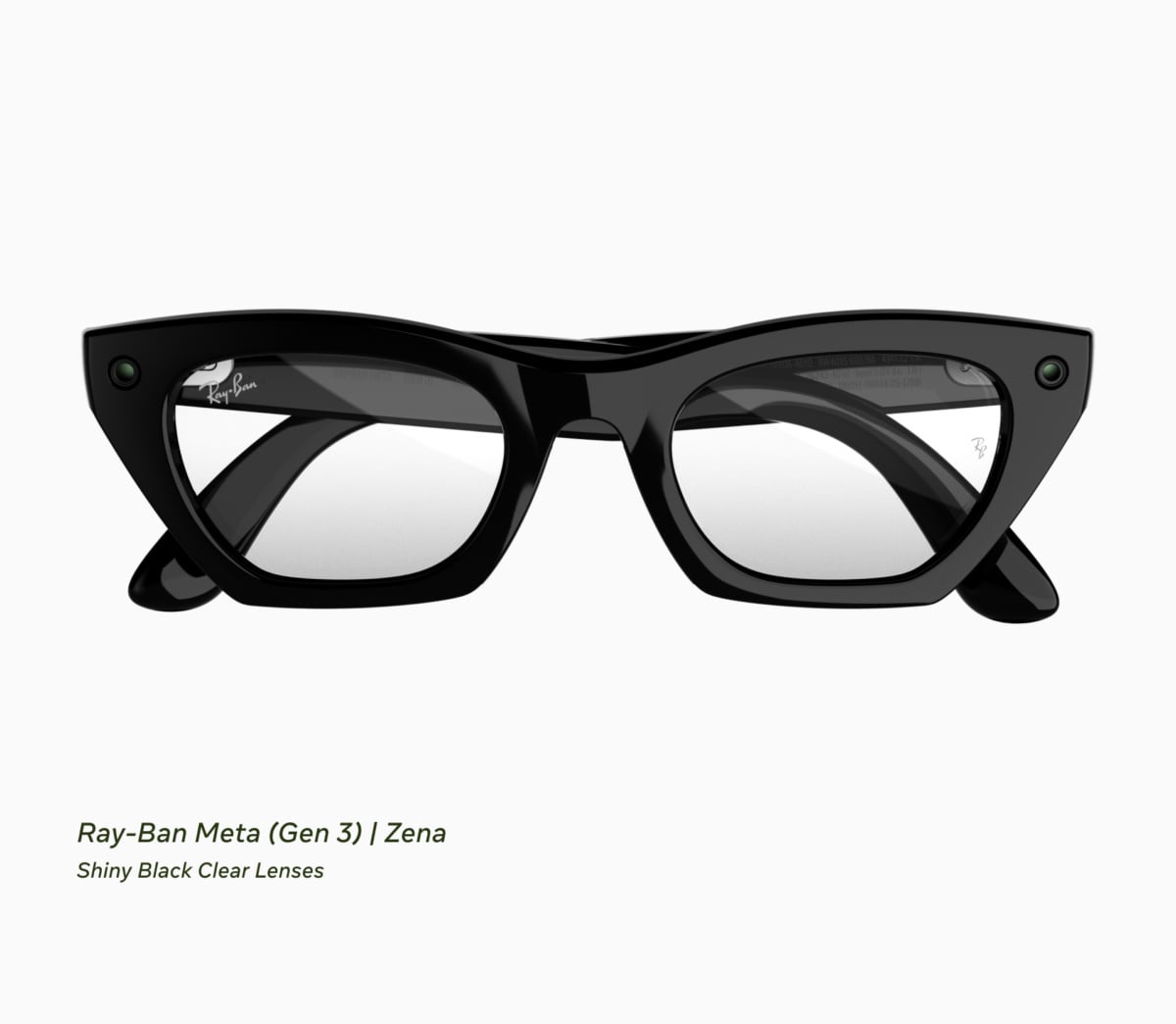
The frames the project names as supported are Ray-Ban Meta Gen 1 and Gen 2, Meta Glasses and Oakley Meta, alongside the Gen 3 that replaced the older Wayfarers in September. There is no App Store listing: the documented route is a source build in Xcode, which this release makes work on Xcode 27 after a dependency pin moved upstream.
Version 2.14.0 was still the newest when the project's releases were read at 00:02 UTC on October 5. One thing the subscription cannot do is live video: for that the app wants an API key, or Gemini.

