Nvidia adds $150 billion to its buyback authorisation, but that is permission, not spending

Nvidia's board of directors has authorised an additional $150 billion under the company's existing share repurchase programme, raising the remaining total authorised to $235 billion. The company "expects to execute the total remaining program through fiscal year 2028", according to the press release Nvidia published on September 28.
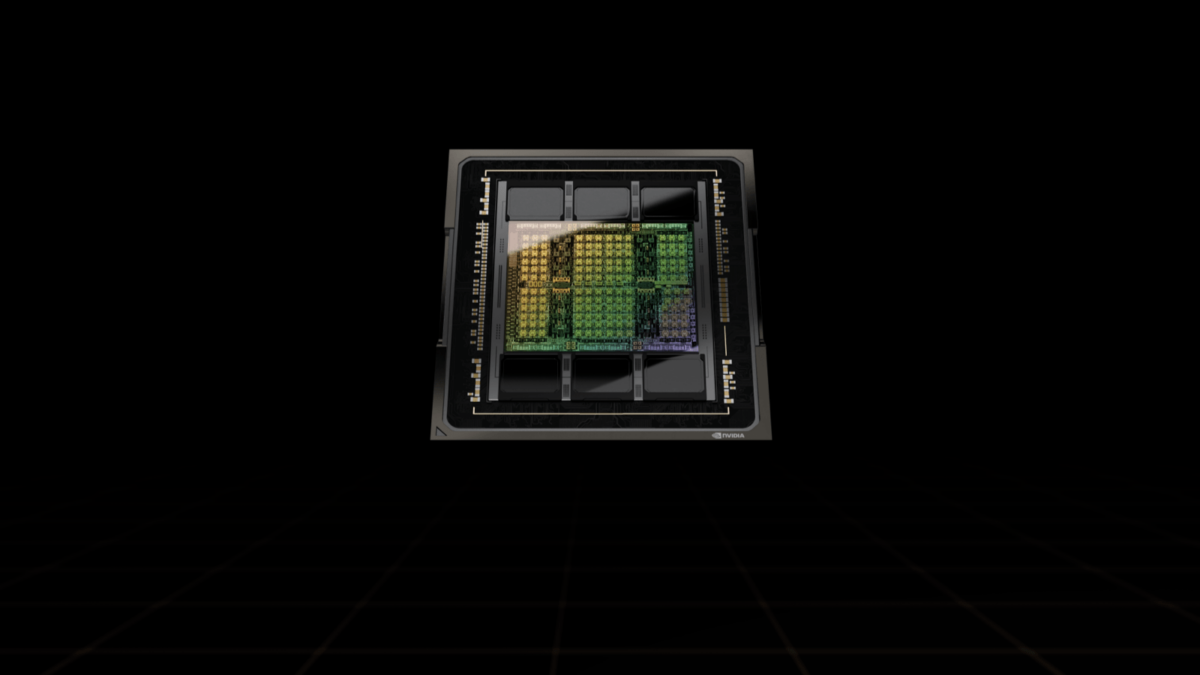
The 64GB DGX Spark, built on the same GB10 Grace Blackwell Superchip as the 128GB model.
An authorisation is permission to buy, not money spent. It sets a ceiling the board has approved, carries no obligation to reach it, and tells a reader nothing about how many shares Nvidia will actually buy or what it will pay for them.
The superlative is Nvidia's own
"This marks the largest share repurchase authorization increase in history", Nvidia says. That is the company's characterisation of its own announcement, and the release offers no comparison, no ranking and no second figure to measure it against.
Jensen Huang, Nvidia's founder and chief executive, frames the decision as a consequence of cash rather than a change of direction. "NVIDIA's growth is being driven by a once-in-a-generation platform shift to AI and accelerated computing", he says. "Our cash generation gives us the capacity to invest in the technologies that advance this transformation and return capital to shareholders. This authorization reflects our confidence in the long-term opportunity ahead."
Huang claims both halves at once, investment and return of capital, and nothing in the release says the second comes at the expense of the first. Nvidia says nothing at all about capital expenditure, data-centre capacity or manufacturing commitments.
What the release leaves out
There is no share count, no average price, no quarterly pace and no timetable inside fiscal year 2028. A repurchase programme reduces the number of shares outstanding, which lifts earnings per share without the business earning a penny more, and that arithmetic is the usual reason a board approves one.
Companies also routinely leave authorisations partly unused, which is why the figure to watch is not the $235 billion but the amount actually repurchased in a given quarter. That number appears in Nvidia's financial filings, not in an announcement like this one.
The $150 billion is an increase to an existing programme rather than a new one, so the $235 billion is what remains available in total, not what has been added. Nvidia also sets no expiry date. It says only that it expects to execute the remaining programme through fiscal year 2028, which is an expectation rather than a commitment, and it gives no split of that spending across the quarters in between.
The hardware keeps shipping in the meantime
Nvidia has continued to announce products through the same window. On October 2 it said a 64GB version of its DGX Spark desktop machine goes on sale on October 23 from $4,999 in the US, built around the same GB10 Grace Blackwell Superchip as the 128GB model. Two of those machines wired together pool their memory to 128GB, according to Nvidia.
For anyone following AI hardware rather than AI stocks, the practical content of the September 28 release is thin: no chip, no price, no date beyond a fiscal year. Its interest is in what Nvidia says it can afford, and that is a claim about cash on hand rather than about anything the company has agreed to build. A board can approve a ceiling in one quarter and leave most of it untouched for a year. The shares actually bought back will show up in a filing, and the release carries none of them.