
Meta wants VR games to teach hand tracking without handing players a manual
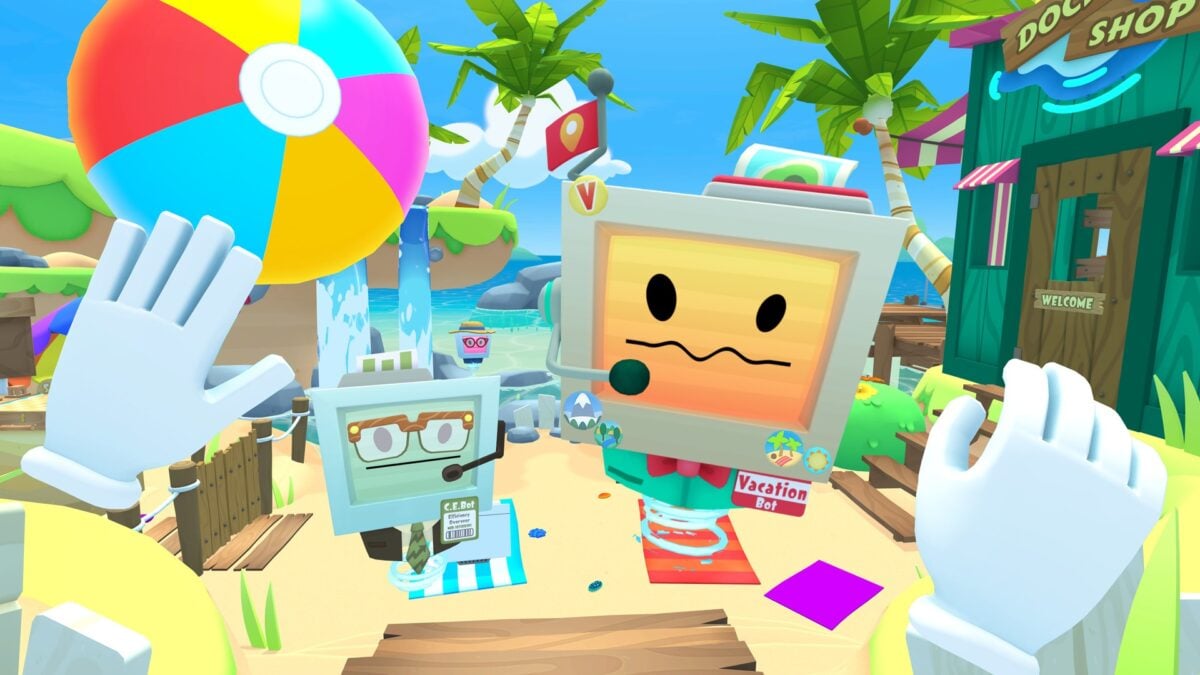
Seeing your hands inside a VR headset can feel natural. Knowing what to do with them is another matter, especially when a game has replaced familiar controller buttons with gestures you have never used before.
Meta has published a new guide asking developers to make those first interactions easier to learn. Instead of starting with a long list of controls, it suggests letting players complete a small action that is already part of the game, then showing them clearly when it has worked.
This is design advice for developers, not a new Quest software update or a promise that existing games will change. Still, it gives players a useful look at how Meta wants hand-first experiences to work as its VR Glasses approach.
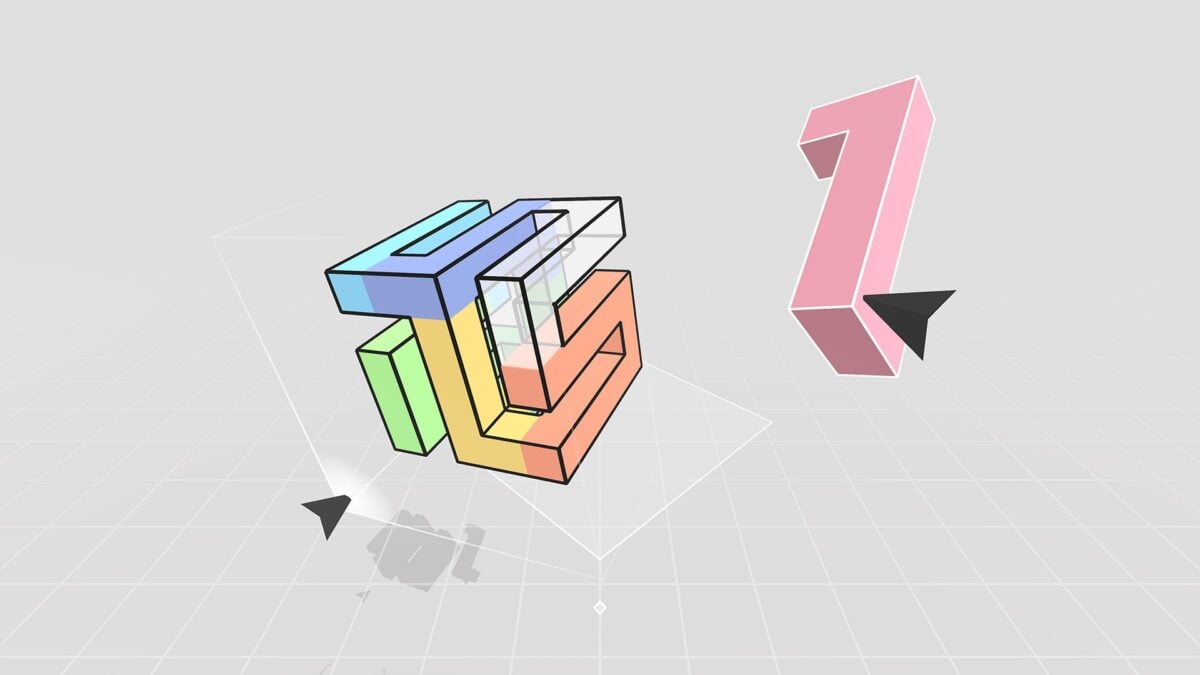
A Cubism puzzle; Meta cites the opening menu as an example of teaching through play. Image: Thomas Van Bouwel / Vanbo, via Steam
The opening menu can teach players their first movement
In the guide, Meta points to Cubism, whose opening menu lets players pick up colourful blocks and fit them into the game's logo. That teaches a movement through an activity related to the puzzle game itself.
For less familiar gestures, the company recommends showing an animated hand beside the object or menu. For a critical action, it suggests keeping the demonstration visible until the player succeeds. The idea is to let someone try, make a mistake and immediately try again without a penalty.
That last part matters because hand tracking does not provide the same controller vibration that can tell you a button press has registered. Meta suggests visible responses and sound to confirm actions such as grabbing or placing an object.
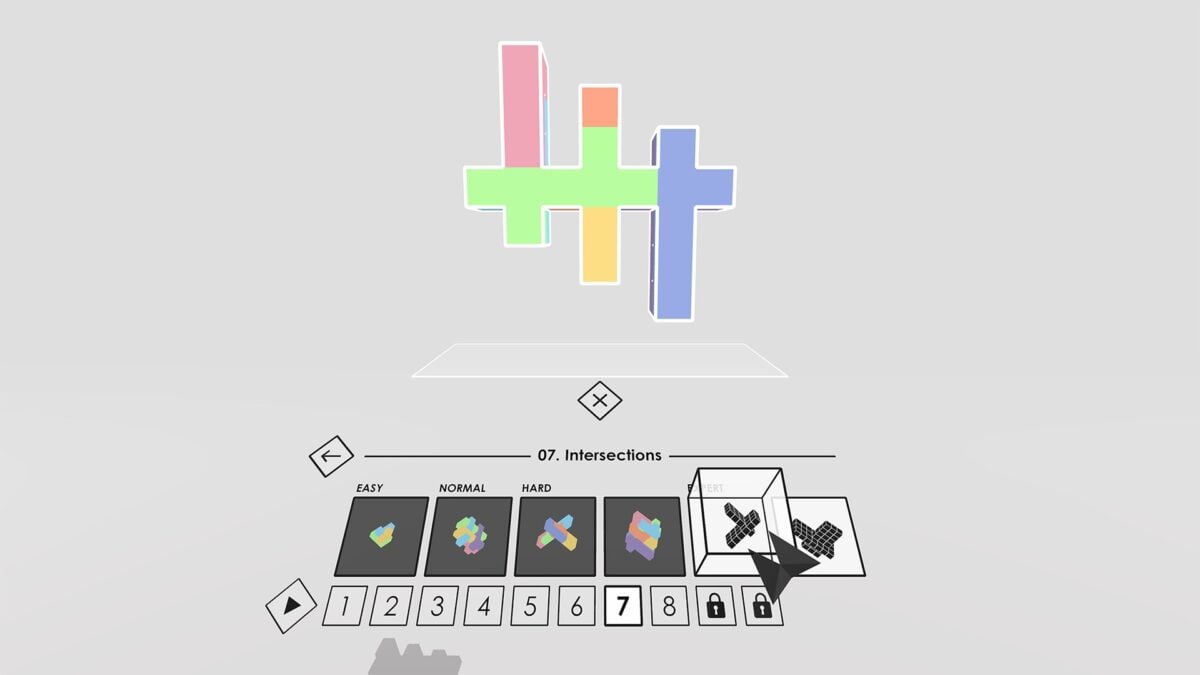
Cubism is an existing puzzle game; this screenshot does not show a new Meta feature. Image: Thomas Van Bouwel / Vanbo, via Steam
Hand tracking needs different feedback from controllers
Meta also asks developers to keep gestures consistent, put important objects within comfortable reach and make room for accessibility adjustments. If an app supports both hands and controllers, its instructions should match the input the player is actually using.
The company has separate guidance warning that adapting a controller-first game is more complicated than assigning every button to a gesture. Hands do not offer the same set of inputs, and holding a virtual object is not always equivalent to squeezing a trigger.
The advice fits the difference between Meta's devices. Its device comparison says Quest 3 and 3S support both controllers and hand tracking, while the forthcoming Meta VR Glasses use eyes and hands as primary input, with compatible controllers sold separately.
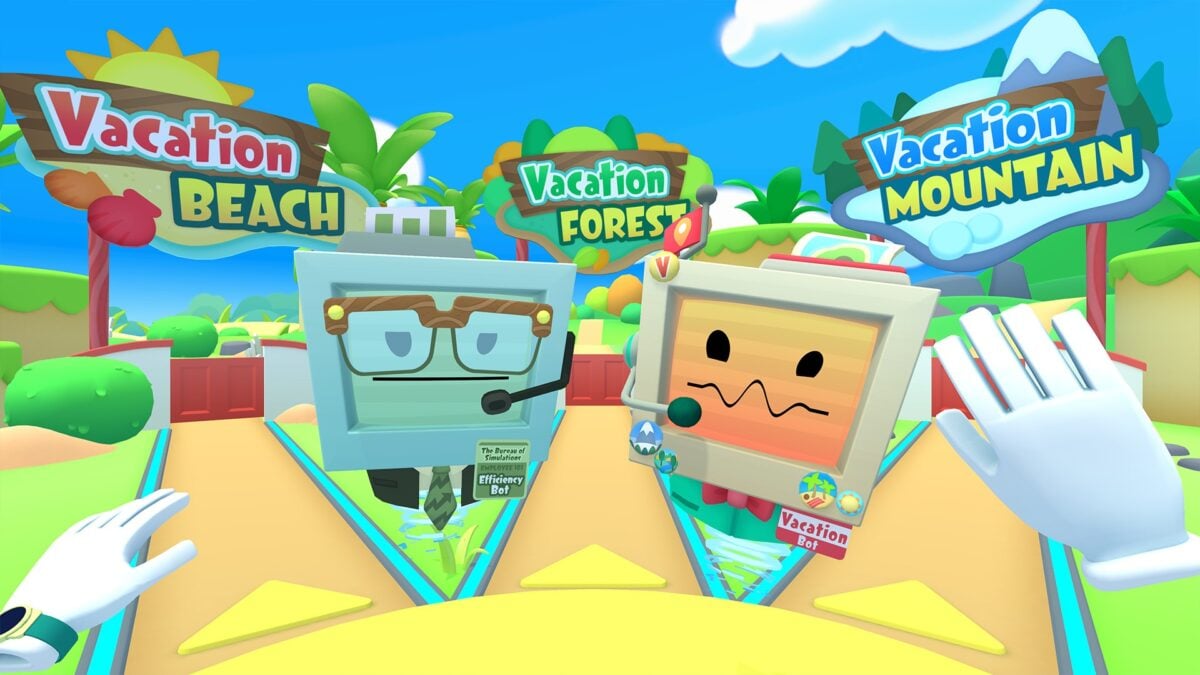
The promotional screenshots show the games, not a newly announced update. Image: Owlchemy Labs, via Steam
Quest owners can already use hands in supported games
You can already use hands in supported Quest experiences; individual games decide which inputs they offer. A Meta Quest 3, which Amazon lists separately, is one compatible headset. You do not need a new headset simply because this guide has been published.
Meta has also outlined controller-free plans for Beat Saber's Flux update. That remains a separate future update, not a feature introduced by this developer guide.
Image credit: Thomas Van Bouwel / Vanbo and Owlchemy Labs, via Steam. The images are existing promotional screenshots; they do not establish which input mode is in use or depict a newly announced update.
Note: Links to online stores in articles can be so-called affiliate links. If you buy through this link, MIXED receives a commission from the provider. For you the price does not change.
As an Amazon Associate we earn from qualifying purchases.

