
Legato's AI hearing glasses start at $999, from the founder who created Bose Frames
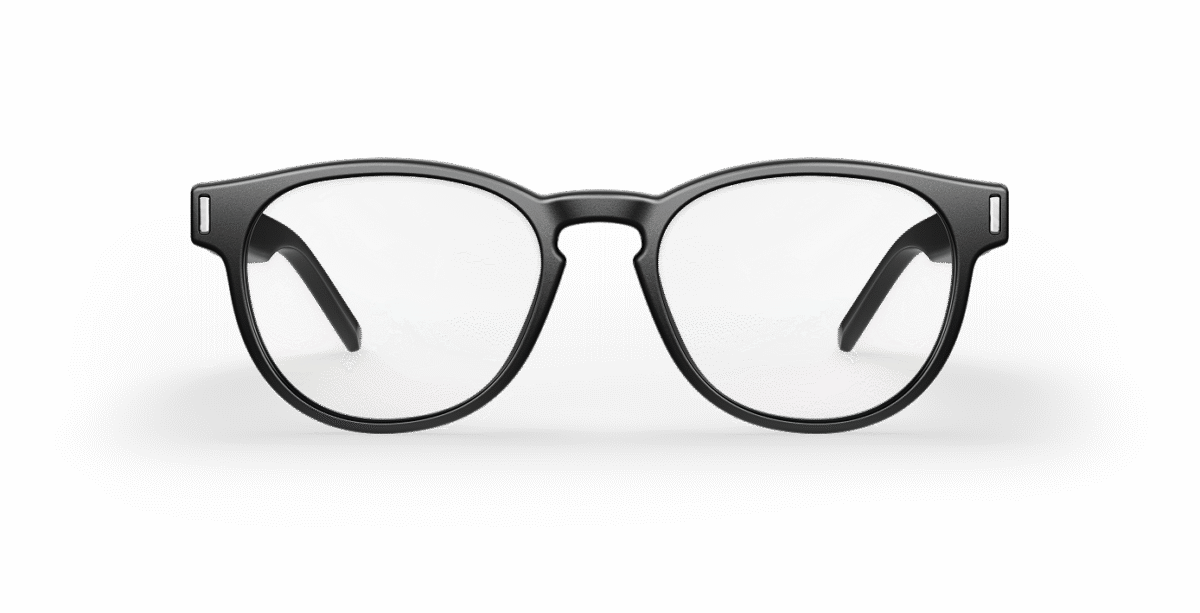
Legato Frames, a set of AI hearing glasses from the founder who created Bose Frames, are on sale in the US at $999 for the Symphony and Harmony styles and $1,099 for Aria. Every width and colour was in stock at those prices on Legato's own store at 12:23 UTC on October 2, and the company lists no price and no retailer outside the US.
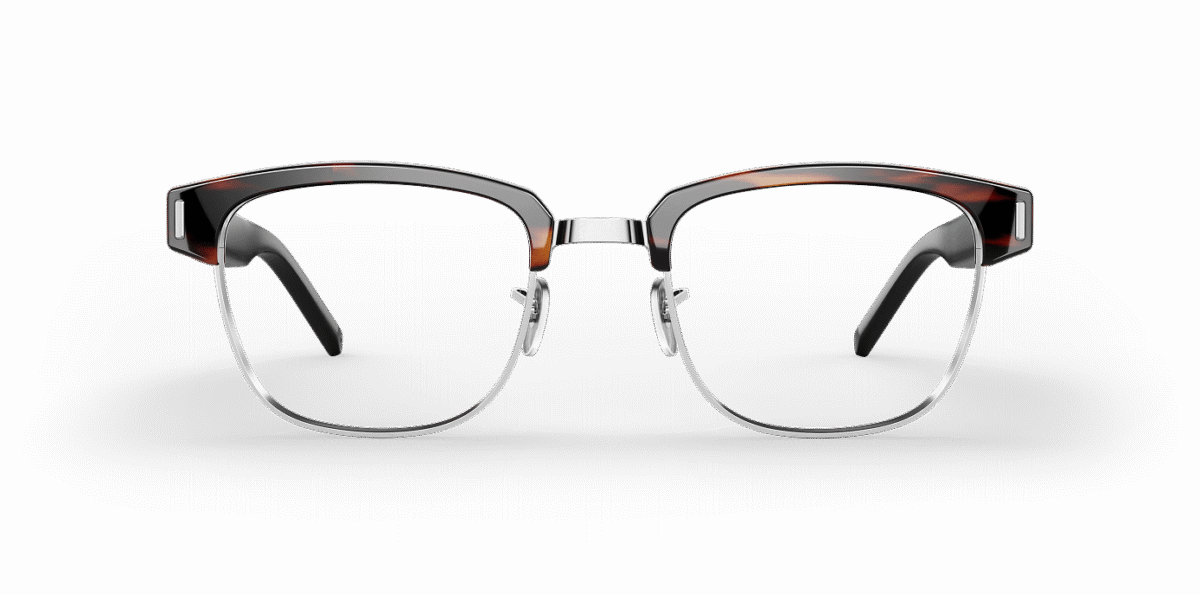
Aria is the dearest of the three at $1,099 in the US, and the only style Legato lists in Classic Tortoise. Image: Legato
The founder is Mehul Trivedi, who Legato says built Bose Frames from the ground up and was later senior vice president for wearable technology at Luxottica. His co-founder and president is Steve Romine, who was vice president for health at Bose, where he led the launch of its first over-the-counter hearing aid, and then chief operating officer of the hearing care company Audicus.
What Legato says the frames do
Legato describes the technology this way: "SpeechSense AI reduces background noise and isolates speech as it happens, then amplifies it to compensate for your hearing loss." Microphones in the frame pick up the sound around the wearer, an on-device neural network trained to tell speech from non-speech separates the two in real time, and an open-ear audio system plays the amplified speech back without anything going in the ear.
There is no camera, and Legato is blunt about it: "Unlike other smart eyewear, Legato Frames have no cameras and cannot record your conversations." Sound is processed on the frame as it arrives, the company says, so nothing is stored.
Legato states no FDA clearance and no over-the-counter hearing-aid classification anywhere on its product pages. It describes the frames as made for people with mild to moderate hearing loss, and sells them with prescription lenses rather than through a hearing care pathway.
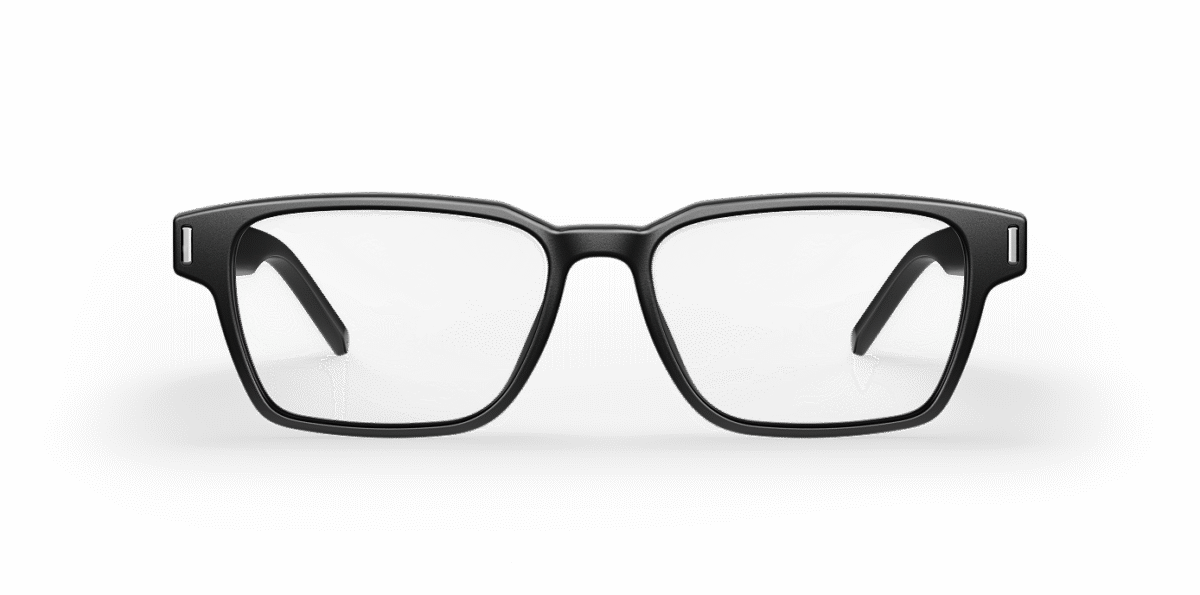
Harmony starts at $999 in the US and is the only style Legato sells in two widths. Image: Legato
The specifications, and what the extras cost
Legato's specifications for Aria give 33 grams without lenses, Bluetooth 5.3 on iOS and Android, more than 10 hours of power and a 30-minute quick charge worth two hours. Muted, the company says the frames run for more than 30 hours, and the lightest frame in the line starts at 27 grams before lenses go in.
The frames switch on when you open the arms. A volume rocker sits on the left arm and mute and call handling on the right, tuning is done in a free Legato app on iOS and Android, and Legato says US-based expert and audiologist support is included for the life of the frames.
Lenses are the other half of the pitch. Legato fits Pentax prescription lenses from -10.0 to +5.0 and progressive reader lenses from +1.0 to +3.0, with an anti-reflective or blue-light coating, and every pair ships with a wireless charging pad, a carrying case, a cleaning cloth and a USB-C cable. A spare charging pad costs $149 on the US store and the Legato Care plan $199, which extends the standard one-year limited warranty to three years if it is added within 45 days. The trial period is 45 days with money back.
Fit is where the three styles separate. Symphony is 134mm across and sold narrow only, Aria is 142mm and sold in Classic Tortoise alone, and Harmony is the single style offered in two widths, at 140mm and 145mm.
Hearing glasses are getting crowded
Three companies now sell hearing features in eyewear at three very different prices and under three different regulatory labels. EssilorLuxottica's Nuance Audio Plus starts at $829 in the US, and Meta charges $149.99 for a hearing enhancement feature on its AI glasses that Meta says is FDA-cleared. Legato claims no clearance of any kind.
Legato says the frames are sold on its own site and through selected eye care providers in the US. That is the whole market for now: one country, three styles, and a company that came out of stealth in August.

