
Kimi adds editable 3D models as K3.1 Pro reaches its apps and coding tools
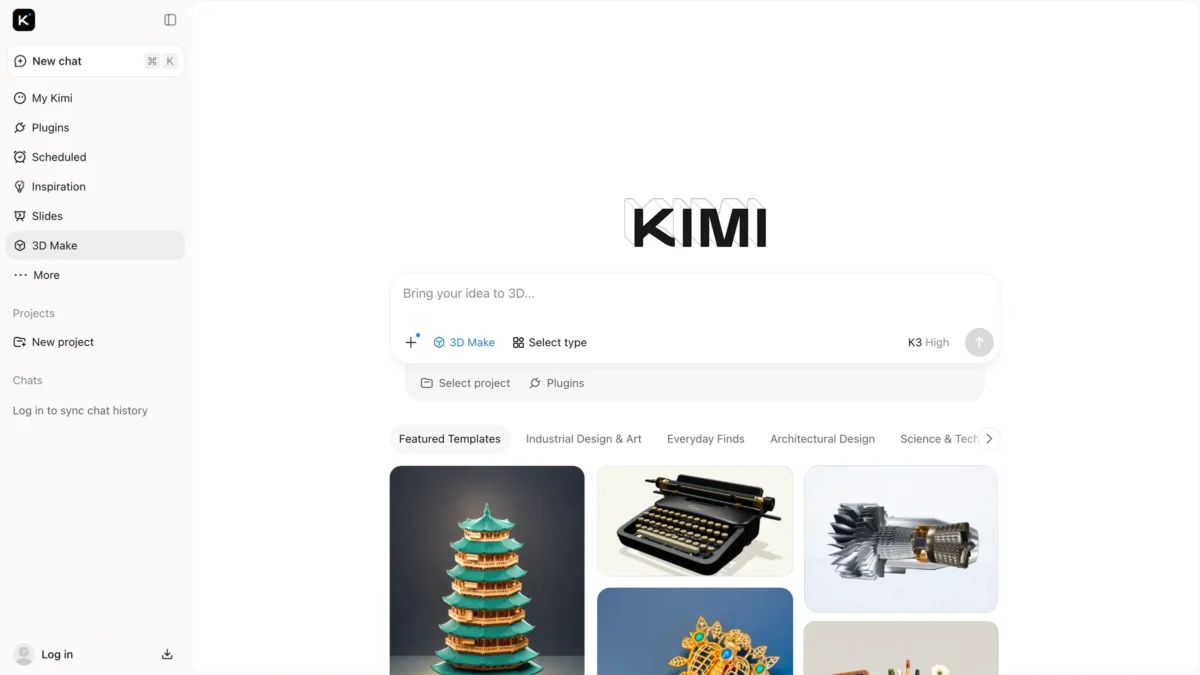
Kimi has launched K3.1 Pro across its apps, coding tools and API, alongside a 3D Make feature for creating and editing models online. The October 23 release also includes a Highspeed version, although downloadable model weights are still due by November 4.
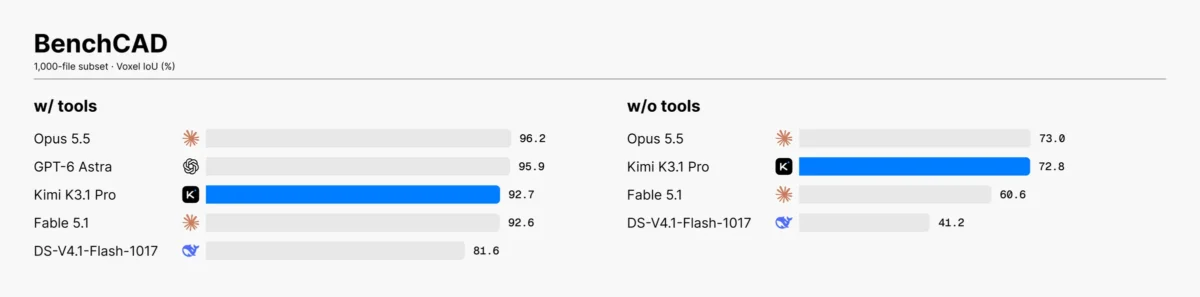
Kimi’s published BenchCAD comparison. These are vendor-reported results. Image: Moonshot AI
On the official product announcement, Kimi shows 3D Make accepting a prompt and offering templates such as a pagoda, typewriter and jet engine. Users can preview and edit models, download them for 3D printing, or export videos and Live Photos.
The company also says the model can work with Unity, Unreal Engine and Godot. It joins a growing set of AI tools for game development, including Unity’s official Codex and Claude Code plugins.
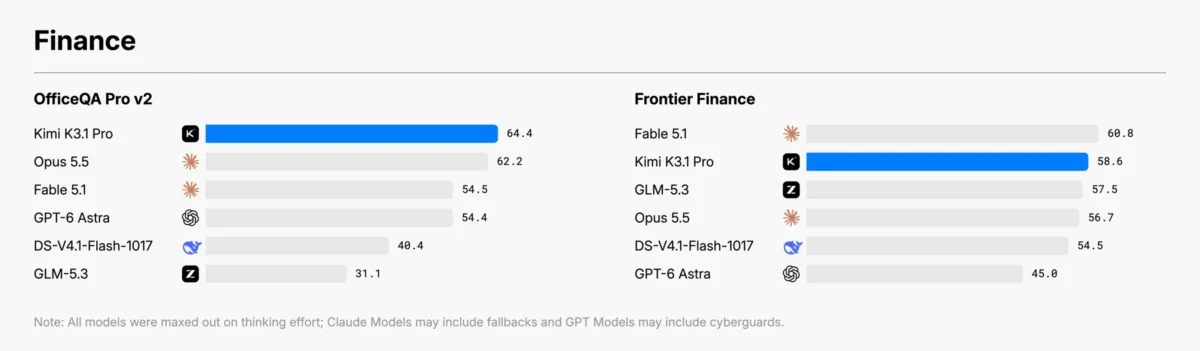
Kimi’s comparison on financial-work benchmarks, published with the model announcement. Image: Moonshot AI
The faster model uses more of your coding allowance
Kimi describes Highspeed as offering the same model capabilities at approximately two to three times the speed. Its Kimi Code documentation also says that option uses about twice as much quota as the regular version.
In Kimi Code, the regular K3.1 Pro is available from the Plus tier, while Highspeed requires Pro or above. Pro also unlocks the model's full context window of about one million tokens. Legacy plans use the corresponding Moderato and Allegretto names.
The company recommends starting a new session when moving from an older model. K3.1 Pro requires thinking mode, so API requests that disable it are rejected. Those details matter more for existing coding workflows than the headline benchmark scores.
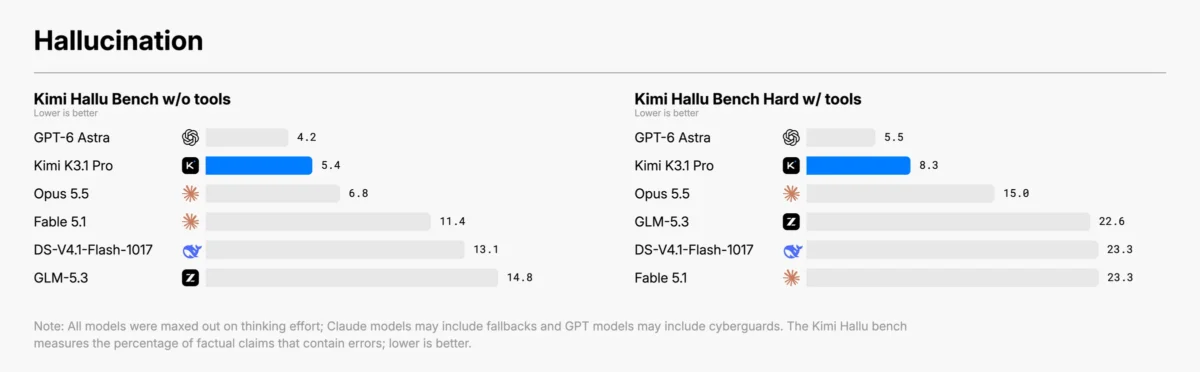
Kimi’s factual-error stress test is not an estimate of error rates in everyday use. Image: Moonshot AI
Downloadable weights are a separate step from app access
Kimi calls K3.1 Pro a model in the three-trillion-parameter class and reports improvements in coding, 3D construction and financial research. Its published comparisons are vendor evaluations, including internal tests, rather than an independent assessment of everyday reliability.
For now, access is through Kimi's services. Kimi Work requires version 3.1.0 or later on Windows or Apple silicon Macs, and enterprise administrators must enable the model because access starts switched off. The promised November 4 weights release should not be confused with this week's hosted rollout.

