
Glasses take nearly 85% of XR shipments as headsets lose share, says IDC

Global shipments of XR headsets and glasses rose 35.3% year on year in the second quarter of 2026, and glasses of one kind or another made up nearly 85% of them. Headsets held the remaining 15.4%, against the 27.1% they were left with a year earlier, so the part of the market you strap to your face shrank while the market around it grew.
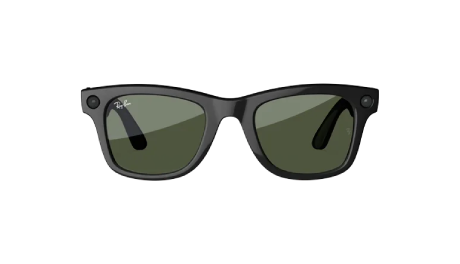
Ray-Ban Meta glasses, the display-free style that makes up most of the category's shipments. Image published by Meta. Image: Meta
The figures come from IDC's quarterly wearables and AR/VR headset trackers for Q2 2026. In its own summary of the quarter, written by director of consumer devices research Jitesh Ubrani, IDC says the 35.3% is a sharp cooling from the 130.2% growth it tracked in the previous quarter, and puts that down to tougher comparisons and a pause between product cycles rather than to fading interest. Growth should pick up again, it says, once the next wave of launches lands later this year.
Glasses without displays still carry the market
The category that sells is the one that shows you nothing. IDC puts audio glasses, the display-free style that includes Ray-Ban Meta, at 70.3% of shipments for the quarter, up from 61.9% a year earlier. Display glasses took 14.3%, up from 11%. Those are the only two categories IDC counts alongside headsets, so the two of them together went from 72.9% of shipments to 84.6% in a year, and the headset share fell by the same amount it gained.
The split explains the vendor ranking. IDC puts Meta at 68.7% of shipments, ahead of RayNeo on 3.6%, Alibaba on 2.6%, Xreal on 2.5% and Xiaomi on 2.3%, whose share nearly halved in a year as competition at home intensified. RayNeo's 3.6% is up 83.3% year on year on the strength of cheap personal-theatre glasses, and Alibaba's third place comes from Qwen's popularity and the company's existing reach in China. IDC credits Meta's quarter to prescription eyewear, through its Blayzer and Scriber Optics lines, and to cheaper frames that skip the fashion branding EssilorLuxottica normally supplies, and it credits Meta's lead to distribution scale, brand recognition and AI features rather than to any single hardware launch. Meta's own $299 range, built with EssilorLuxottica, is display-free.
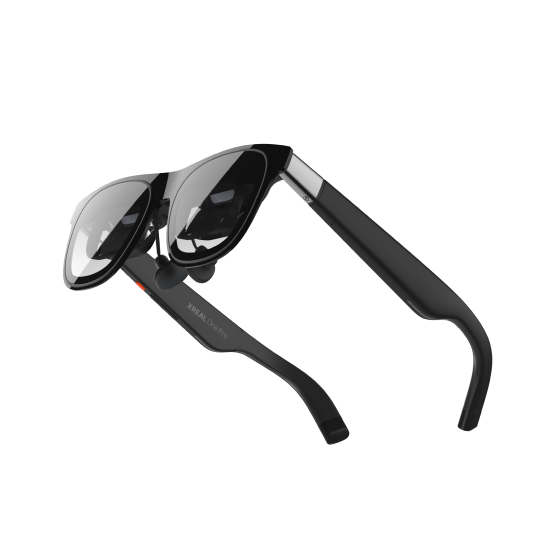
Xreal's One Pro, from the smaller display-glasses segment. Image published by Xreal. Image: Xreal
Beijing's own number points the other way
China's Ministry of Commerce published a figure on September 20 that sits awkwardly beside a quarter described as cooling. In its briefing on the January to August consumer market, the ministry's consumption promotion department says smart-glasses sales value on key platforms grew 1.2 times, which is a rise of 120%. ECG monitors rose 75% and action cameras 26.9% over the same period.
The two measurements are not the same thing. MOFCOM is counting the value of sales on major Chinese e-commerce platforms across eight months. IDC is counting units shipped into the channel worldwide across three. A market can take more money for glasses while shipping fewer of them, which is what a shift from cheap audio frames to pricier AI and AR models looks like, and a Chinese platform total says nothing about the quarters IDC is comparing.
The ministry's own series also shows the growth slowing. Its June briefing put January to May growth at 2.8 times, or 280%, so 120% for January to August is a step down. Both figures sit against total retail sales of consumer goods growing 1.1% over the same eight months, so glasses are still pulling well ahead of the shops around them, in a market that has produced a run of well-funded glasses startups on the strength of volume.
What the numbers do not settle
IDC forecasts 26.3% growth in unit shipments for 2026, then 40.5% in 2027 and 26.4% in 2028, on the assumption that display-free frames keep leading while display glasses and headsets ramp alongside them. Neither set of figures is a headcount of people wearing anything. Shipments are units into the channel rather than sales, IDC publishes the shares and the growth rates rather than the unit totals behind them, and the MOFCOM figure is money rather than devices.
What both sources agree on is the direction of travel. The headset half of the market is losing ground, and the growth has moved to the hardware that looks like a pair of glasses.

