
Google now saves Gemini API requests by default for new paid projects
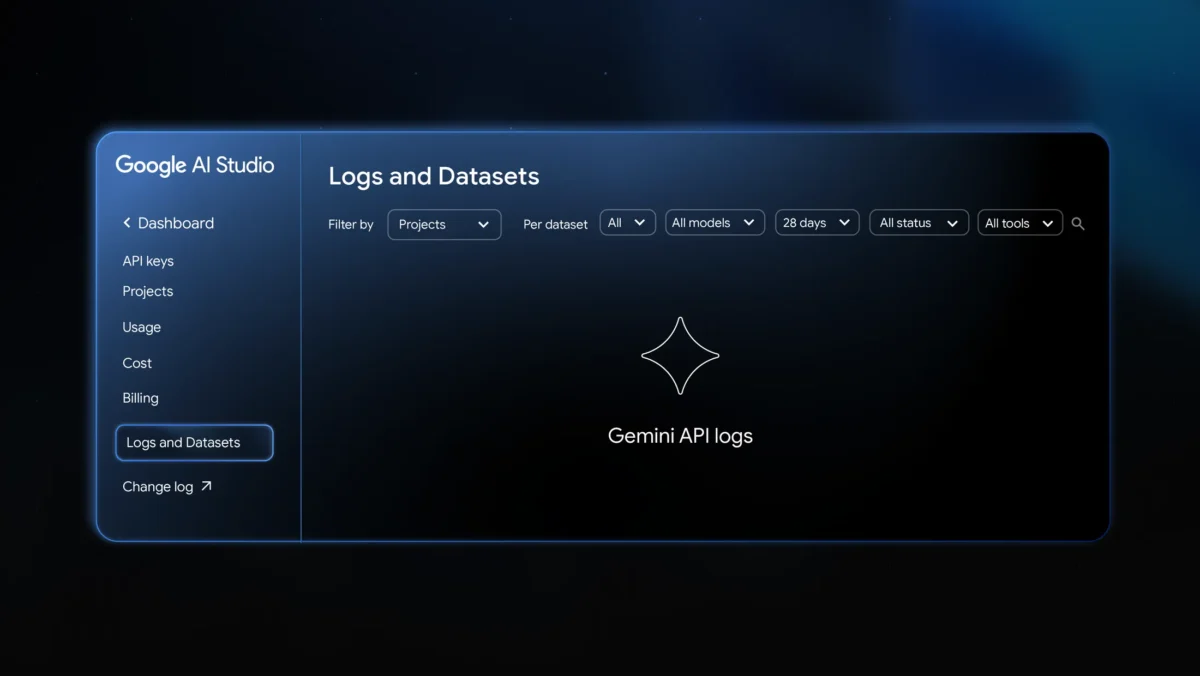
Google has switched on request storage by default for new paid Gemini API projects. Developers creating projects from October 26 should check their logging settings if their applications send prompts or customer information to Gemini.
The change covers generateContent, streamGenerateContent and batchGenerateContent, according to Google’s release notes. Existing projects keep their previous setting, so this is a change to the starting configuration for new projects.
Developers can opt out by setting store=false on individual requests, or by turning off Generate Content API logging in the Settings panel of AI Studio’s Logs and Datasets dashboard. The setting applies to the developer API.
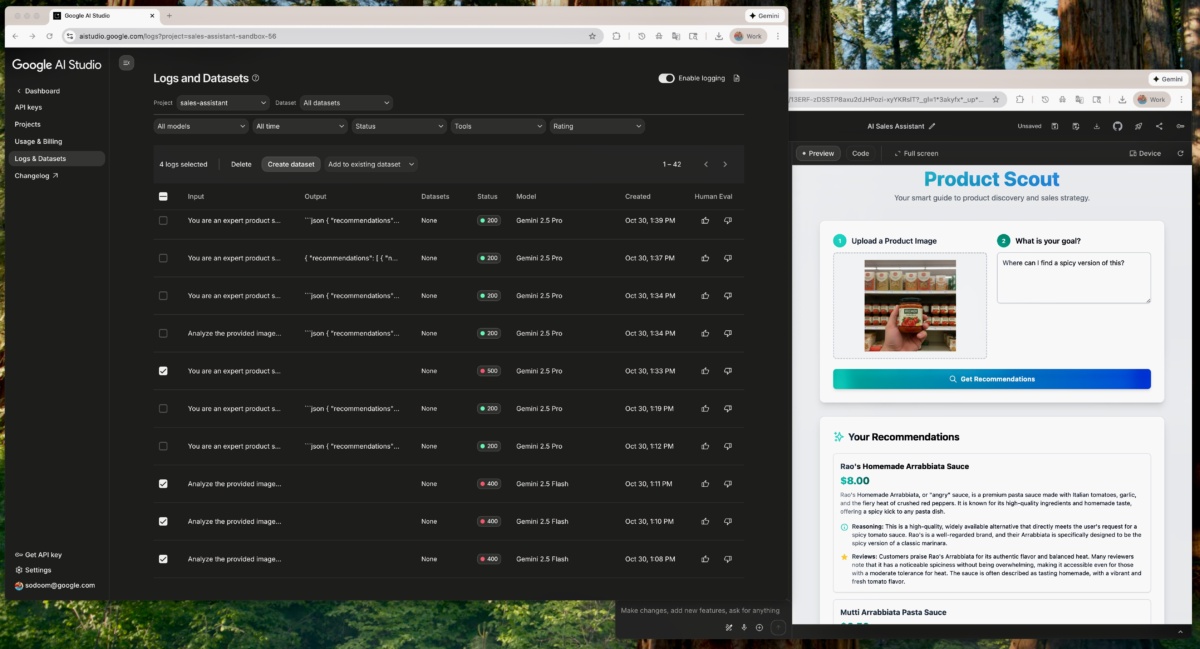
Google’s earlier demonstration shows how an app’s requests appear in the logs dashboard. Image: Google
Developers can shorten the time their logs are kept
Google’s logging guide says the dashboard can show the full prompt, Gemini’s response and context from previous turns. That gives developers a way to trace an application’s behaviour back to the exchange that produced it.
The default retention period is 55 days, after which logs expire and are marked for deletion. Project owners can shorten that window to seven, 14 or 28 days. Logs saved into datasets do not expire under that schedule.
A request’s storage setting takes priority over the project setting. Developers controlling it in code should also check their SDK version: the Generate Content store property requires Python SDK 2.33.0 or JavaScript SDK 2.31.0 or later, with separate minimums listed for Java and Go.
Storage does not automatically mean model training
Google’s data logging policy says these logs are private to the Cloud project and separate from abuse-monitoring records. By default, prompts and responses in billing-enabled project logs are not used to improve or develop Google’s products.
Sharing a dataset with Google is a separate choice. Shared datasets can be used for model improvement and training, and human reviewers may process that material.

