
GameMaker will let developers sell GMRT PC games without a paid license
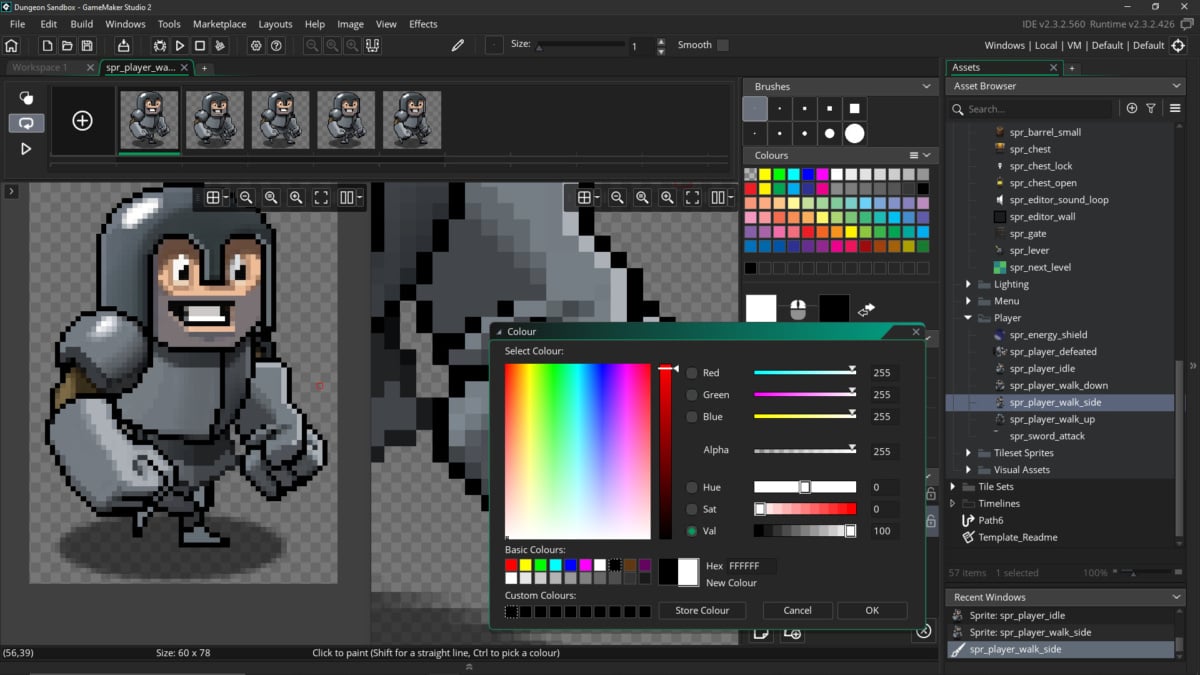
GameMaker developers will be able to sell games using its new GMRT runtime without buying a Professional license from January 1, 2027. The change covers desktop, mobile, web and GX Games releases.
GameMaker promotional screenshot supplied by YoYo Games Ltd.. Image: YoYo Games Ltd.
The October 23 announcement also says GMRT source-code access will be available across every tier. GMRT is still rolling out in beta across platforms, so the licensing announcement does not mean every target platform is already finished.
The runtime determines which commercial terms apply.
The new free-commercial-use policy specifically covers GMRT. Developers who own Professional licenses can continue distributing games commercially using the existing GMS2 runtime and will also gain access to that runtime's source code.

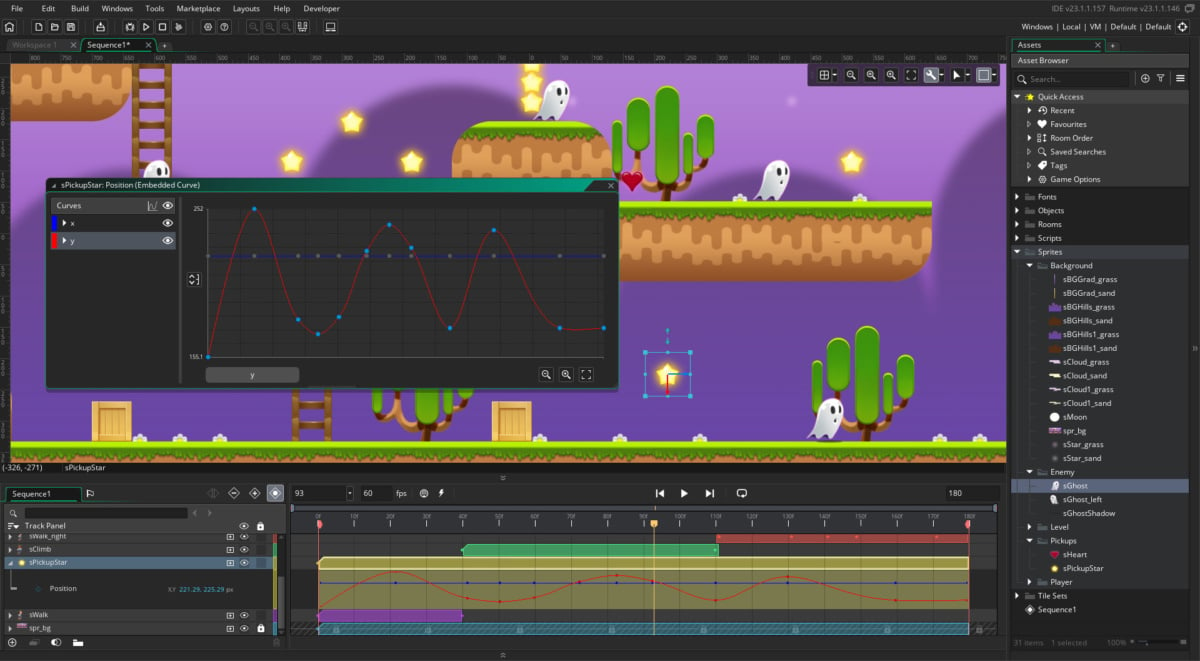
GameMaker promotional screenshot supplied by YoYo Games Ltd.. Image: YoYo Games Ltd.
Console exports remain a separate case. Developers still need an Enterprise license and approval from the relevant platform, whichever runtime they use. GameMaker says existing tier prices will not change.
For someone planning a paid PC or mobile release with GMRT, the practical change is removal of the Professional-license requirement. Existing projects using the older runtime need to be considered under their own terms.

GameMaker promotional screenshot supplied by YoYo Games Ltd.. Image: YoYo Games Ltd.
GameMaker supports both code and visual development.
The company's official product listing describes a development environment with a programming language alongside a drag-and-drop workflow. Its toolset includes level, image, tile, object, script and audio editors, plus animation tools and Git integration.
Those tools explain the audience for the announcement: creators can build a game within the same environment whether they start with visual actions or write code. Source access adds another way to investigate or adapt the runtime, but access alone should not be confused with a promise that the software carries an unrestricted open-source license.

