
A smaller share of surveyed developers are working on VR, AR and MR, GDC finds
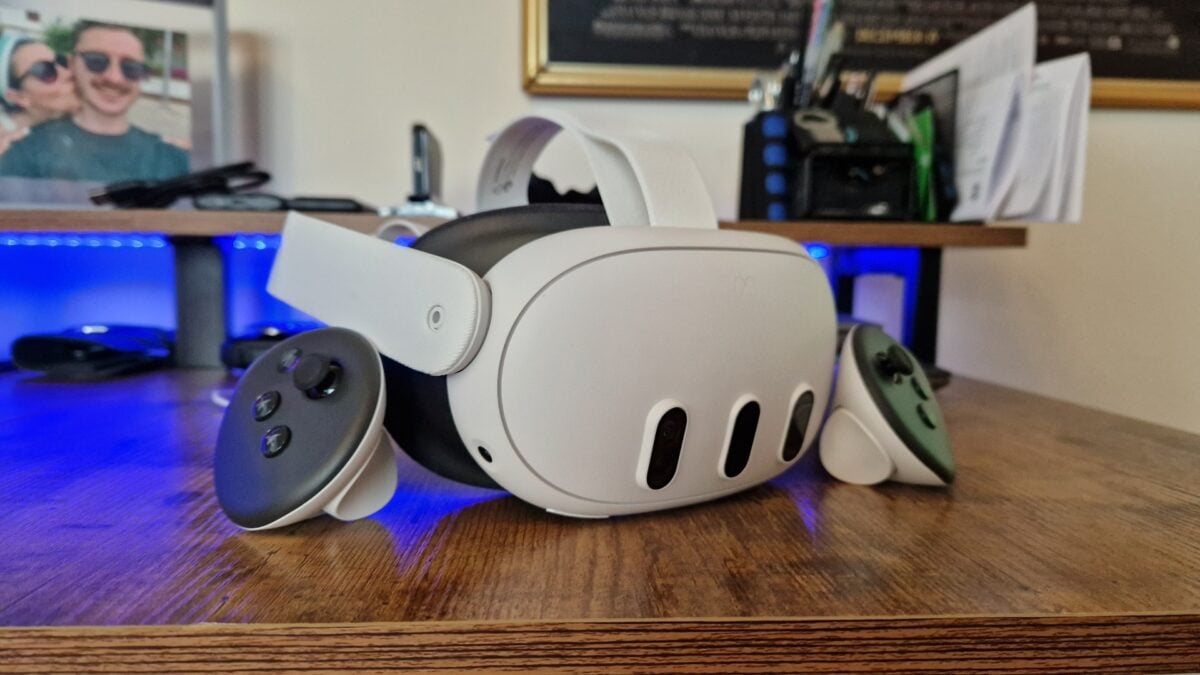
A smaller share of developers in GDC's latest industry survey say they are making games for virtual, augmented or mixed reality. The share fell to 3% of respondents, down from 8% in the previous survey.
Interest also slipped: 8% of developers said they were interested in those platforms, compared with 12% in the previous survey. For players who follow VR releases closely, it is a sobering snapshot of where the surveyed developers are putting their time.
There is an important limit to the numbers, though. They describe the people who answered GDC's survey, not a count of every studio or game in development. The figures cannot tell us exactly how many VR projects exist worldwide.
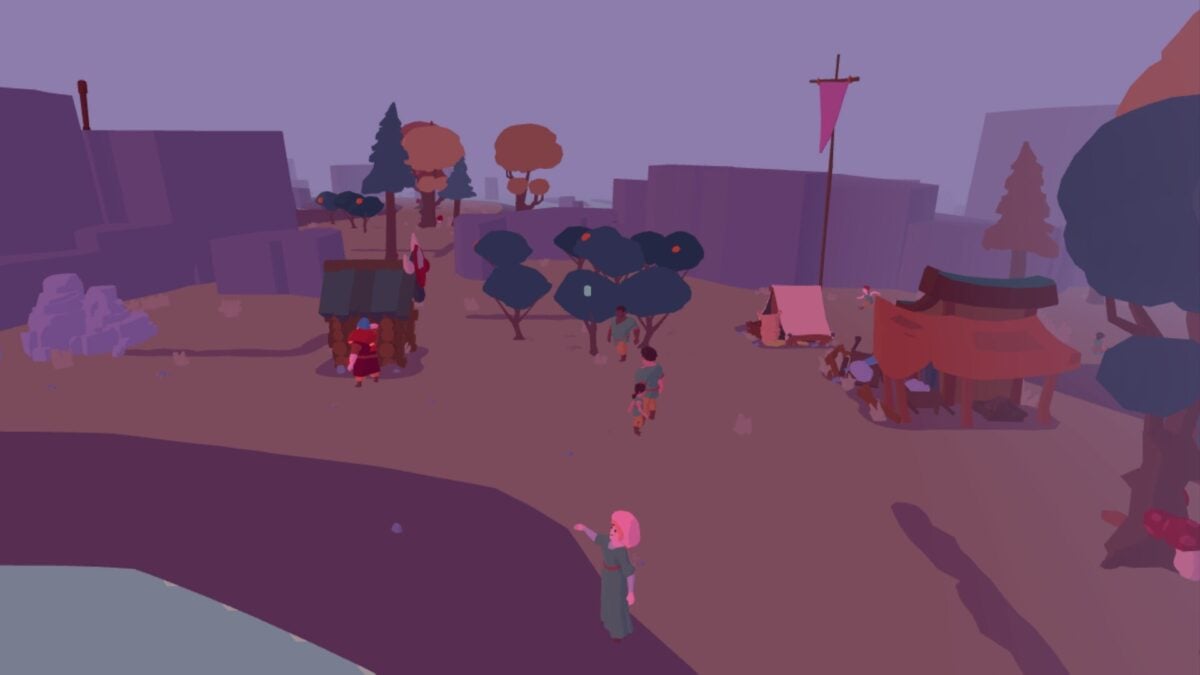
Outlanders VR is scheduled for release on Quest and Steam in December. Image: Mucho Games / Pomelo Games / Steam
PC remains the most popular platform in the survey
The figures come from the November 2026 State of the Game Industry preview, published by the Game Developers Conference. GDC groups VR, AR and MR together in this particular result, so it does not break out a separate percentage for each type of headset.
By contrast, 81% of respondents said they were developing an upcoming game for PC. GDC also lists PlayStation 5 or PS5 Pro at 45%, Xbox Series X/S at 37%, Steam Deck at 32% and Switch 2 at 29%.
Those platform figures are not a contest in which every developer must pick just one. A game can target multiple systems, so the percentages should not be added up as if they represented exclusive choices.
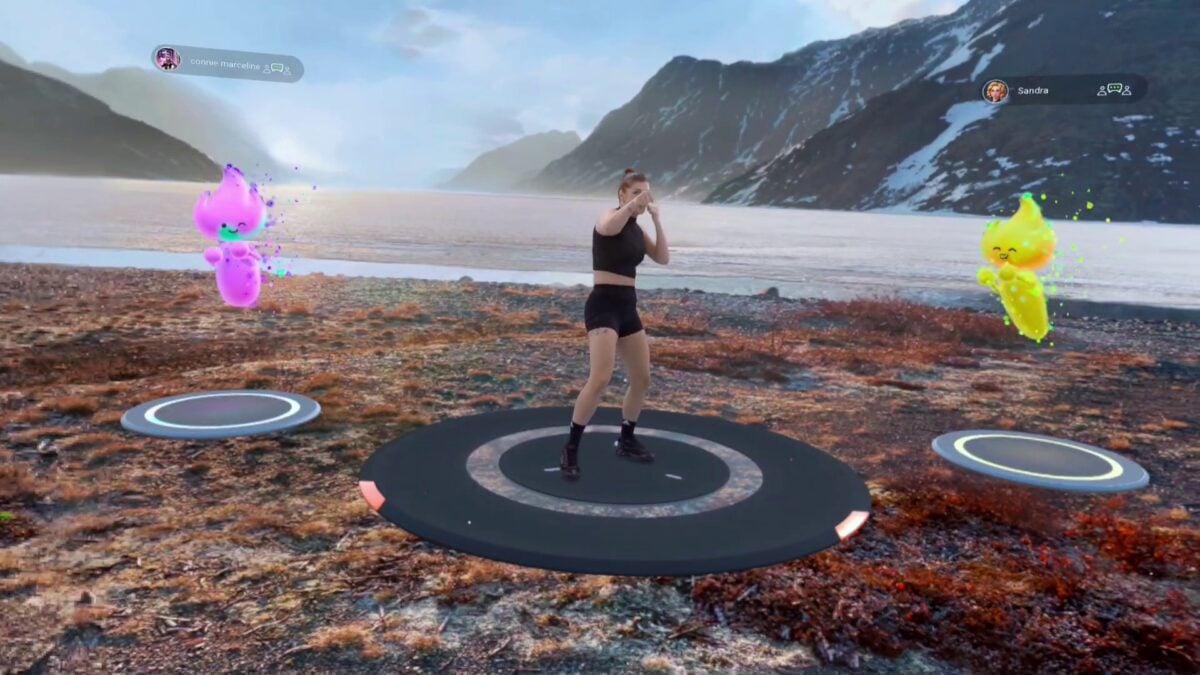
FunFitLand added multiplayer workouts for Quest users. Image: FunFitLand / UploadVR
New VR releases are still on their way
A lower share in a survey does not mean VR games have stopped coming. Outlanders VR, for example, is scheduled for Quest and Steam on December 10. Its developers have released a free PC VR demo ahead of launch, according to the developers’ announcement.
We covered other playable demos in our Steam Next Fest VR roundup. Fitness apps continue to be part of the market too. FunFitLand recently added multiplayer workouts on Quest, giving users a different reason to put on a headset from a new game campaign. Neither example establishes whether its developer answered the GDC survey.
The challenge for headset owners is less about a single percentage than the range of titles and updates that arrive over time. Survey results can help show where some developers are focusing, but they do not tell you which individual games will be worth playing.
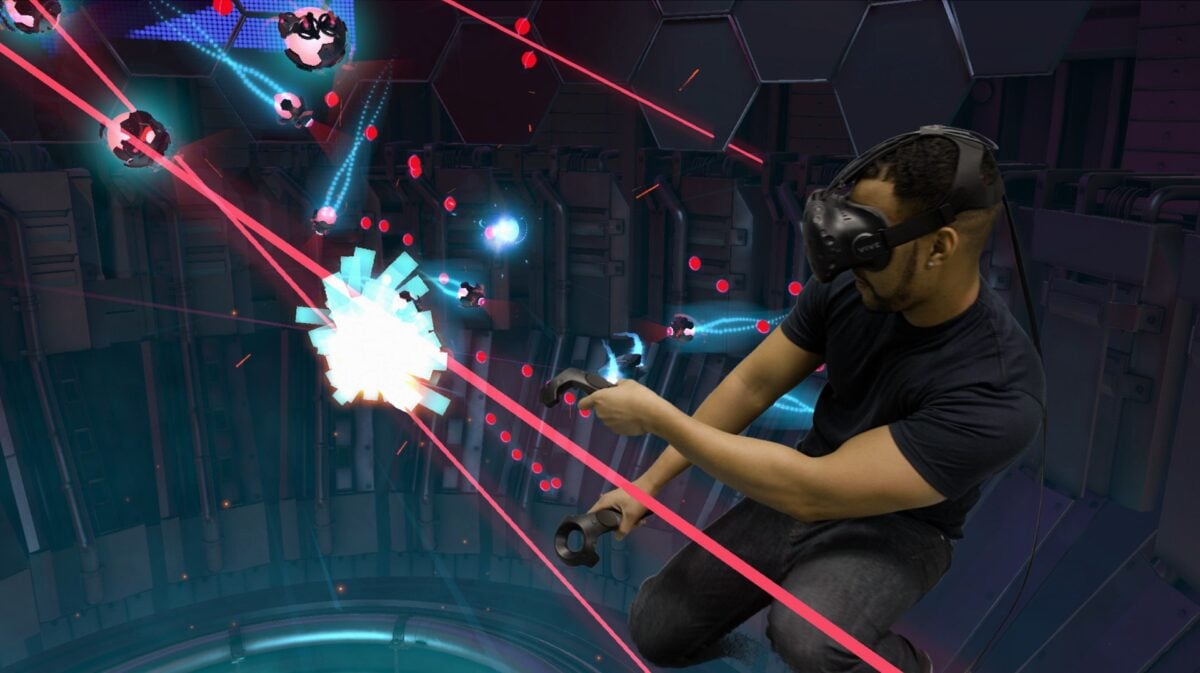
Valve’s SteamVR is one way to run compatible VR software from a PC. Image: Valve / Steam
What to consider if you are shopping for a headset
The Meta Quest 3 is one way to play standalone VR games. Some titles also support PC VR, which needs a suitable gaming PC and a connection to it. Check the store listing for the specific game before buying, since platform support varies.
I would look at the games you already want to play before choosing a headset. The GDC figures are useful context, but they are not a substitute for checking a platform's current library and upcoming releases.
Image credits: Duncan Robertson / Future / GamesRadar+; Mucho Games / Pomelo Games / Steam; FunFitLand / UploadVR; Valve / Steam.
Note: Links to online stores in articles can be so-called affiliate links. If you buy through this link, MIXED receives a commission from the provider. For you the price does not change.
As an Amazon Associate we earn from qualifying purchases.

