
Steam Deck and older graphics cards get a new frame generation option in beta
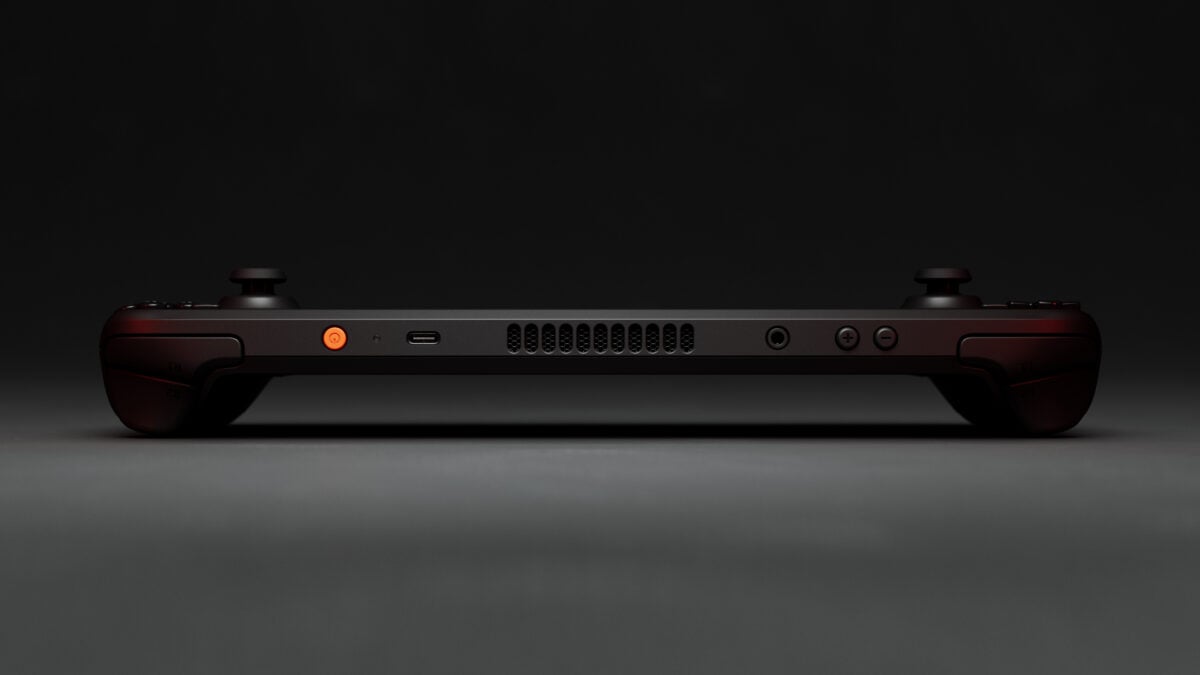
Steam Deck owners and players with older graphics cards have a new experimental frame generation option to investigate. Apex Compute has released a beta of Apex Neural Rendering Frame Generation, with support listed for Valve’s handheld and graphics hardware from Nvidia, AMD and Intel.
The project is a third-party tool, not an update from Valve or an official replacement for Nvidia DLSS. Its developers list Nvidia’s GTX 16 and RTX 20 series onwards, Radeon RX 5000 and newer, and Intel Arc A and B graphics among compatible hardware.
Only frame generation is available in the current beta. The planned super-resolution and ray-reconstruction components are still being developed, so the software is not yet a complete substitute for a graphics suite offering all three features.

Apex Compute’s demonstration image for ANR frame generation; it is not an independent benchmark. Image: Apex Compute
What the beta supports
Apex’s release notes list Windows 10 and 11, Linux and SteamOS through Proton. The latest notes also list Apple silicon from M1 onwards and macOS 26 or later. Supported hardware does not guarantee that every game will work or produce a useful improvement.
Frame generation creates intermediate images between rendered frames. It can make motion look smoother, but generated frames are different from frames produced by the game itself; their impact on visual artefacts and input response depends on the game, hardware and configuration.
The project uses OptiScaler, and its instructions describe installing the package into a game’s directory and enabling frame generation in a game that offers the option. The release notes say to select the Nvidia option where several are offered. On Steam Deck, the developer also gives a Proton launch-option instruction. That is a more involved process than simply switching on a SteamOS setting.

The developer provides visual comparisons of its beta against Nvidia frame generation. Image: Apex Compute
Performance claims need independent testing
On its comparison page, Apex reports measurements on an RTX 5090 at 4K. The figures compare time per generated frame and GPU memory use with Nvidia frame generation in the company’s test; they are not a promise of the same results on a Steam Deck or older graphics card.
The developer also publishes side-by-side images, but these are its own demonstrations. Independent testing across games will be needed to assess image quality, latency and compatibility.
The beta has received frequent fixes. Earlier release notes describe crashes in some games and frame-generation issues following scene changes, which is a useful reminder to check the current known issues before changing a game installation. Players using multiplayer titles should also check that the game’s rules and anti-cheat system allow such tools.
For a Steam Deck owner, the immediate takeaway is an additional experiment rather than a guaranteed frame-rate upgrade. The project’s GitHub page contains the current builds, installation guidance and a way to report issues.

