
AMD’s Zen 6 arrives with up to 256 cores, starting with EPYC server chips
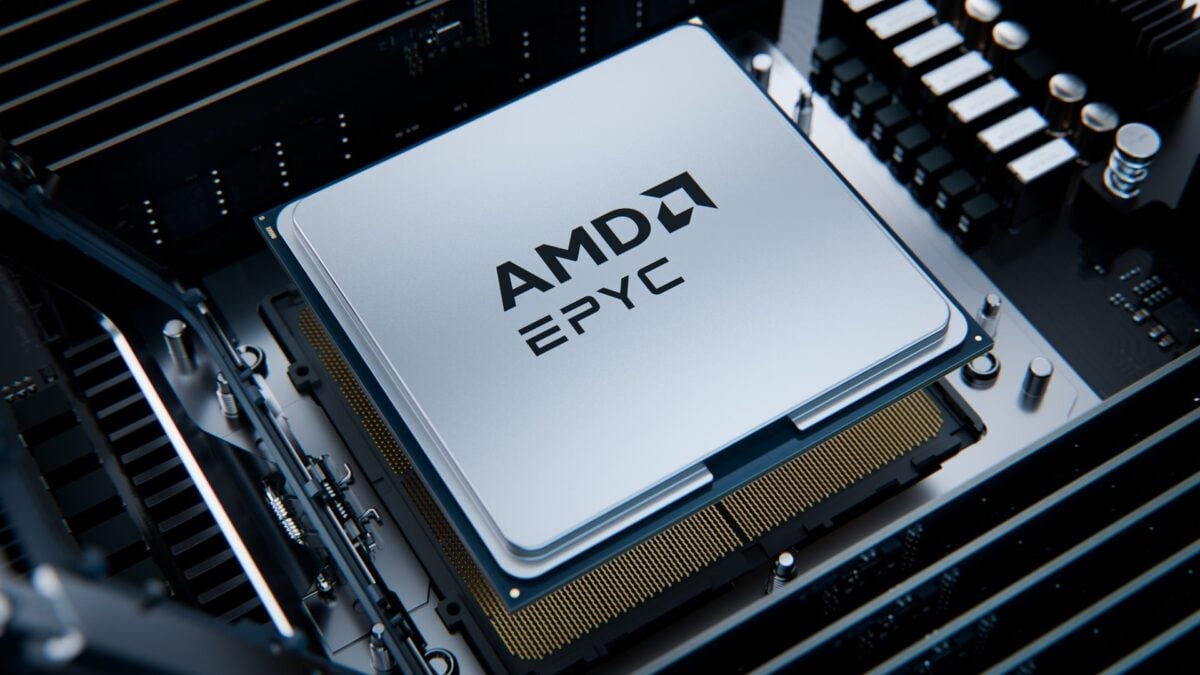
AMD’s Zen 6 architecture has arrived in the company’s sixth-generation EPYC server processors. The EPYC 9006 SP7 family includes configurations with up to 256 cores and is aimed at data centers, cloud services and enterprise workloads.
AMD says systems based on the new processors are shipping from server manufacturers. Its launch announcement also points to planned cloud instances from Microsoft Azure and Oracle Cloud Infrastructure.
This is a server launch, not an announcement that a 256-core Ryzen chip is available for a gaming PC. AMD’s server and desktop products address different requirements, so the EPYC specifications do not establish the configuration or gaming performance of any future desktop CPU.
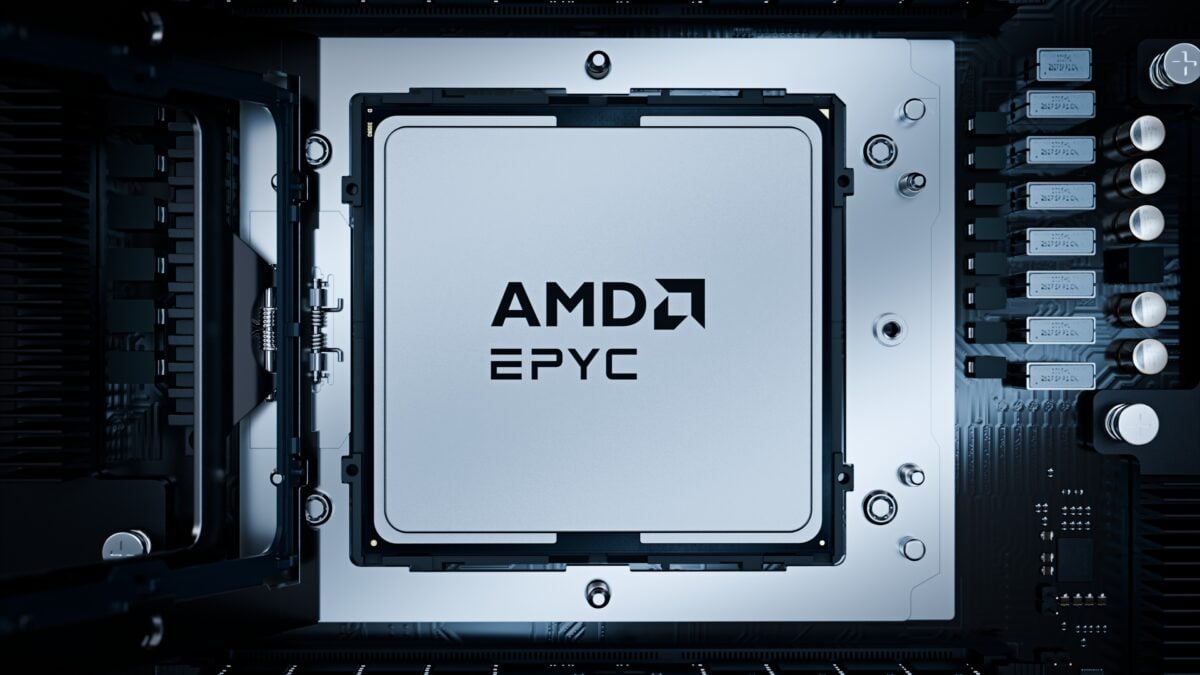
Image: AMD
What AMD is shipping with Zen 6
The EPYC 9006 SP7 family is designed for workloads ranging from cloud computing and databases to high-performance computing and AI infrastructure. AMD describes Zen 6 as a new foundation for the server platform and highlights the CPU’s role in coordinating applications and accelerators.
The company’s published launch notes identify an EPYC 9996 with 256 cores and a 600-watt default CPU power reference. That figure concerns a server part and is not a power target for a future consumer chip.
The platform also introduces PCIe Gen 6. AMD says the interface offers more bandwidth per lane than the previous generation; the benefit to a particular server depends on its devices, software and workload.
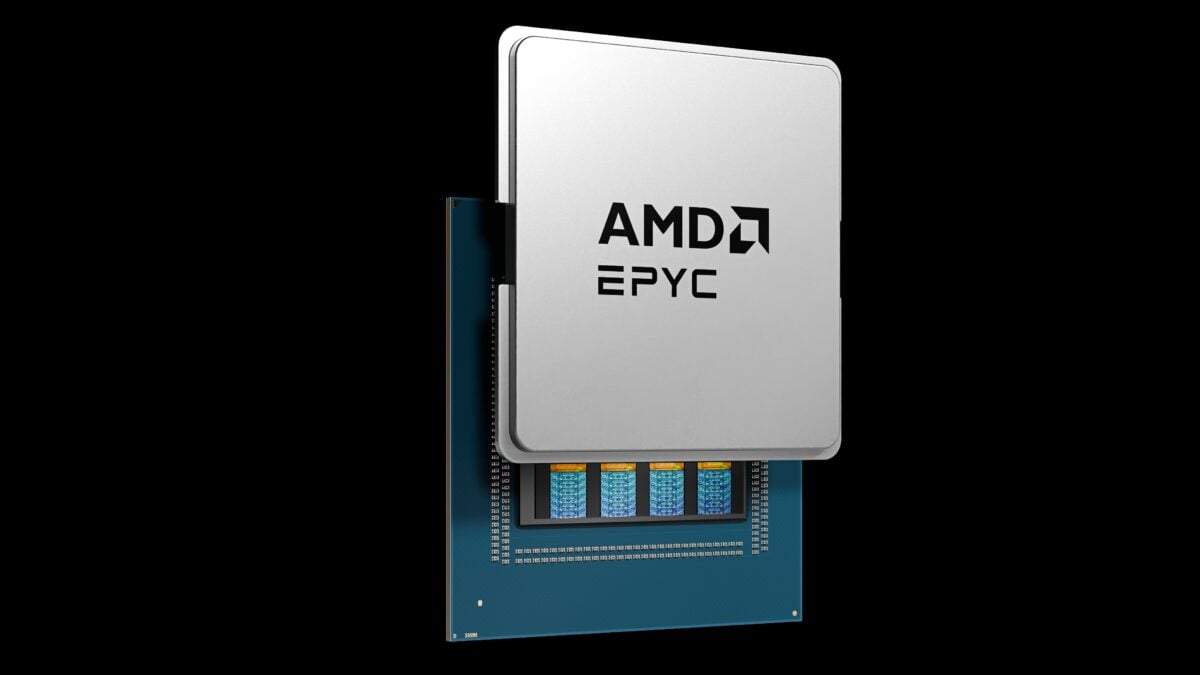
Image: AMD
What the announcement does and does not say about Ryzen
Zen is AMD’s architecture family, while EPYC and Ryzen are product lines built for different customers. A server processor can reveal the direction of the architecture without revealing how a desktop chip will be configured.
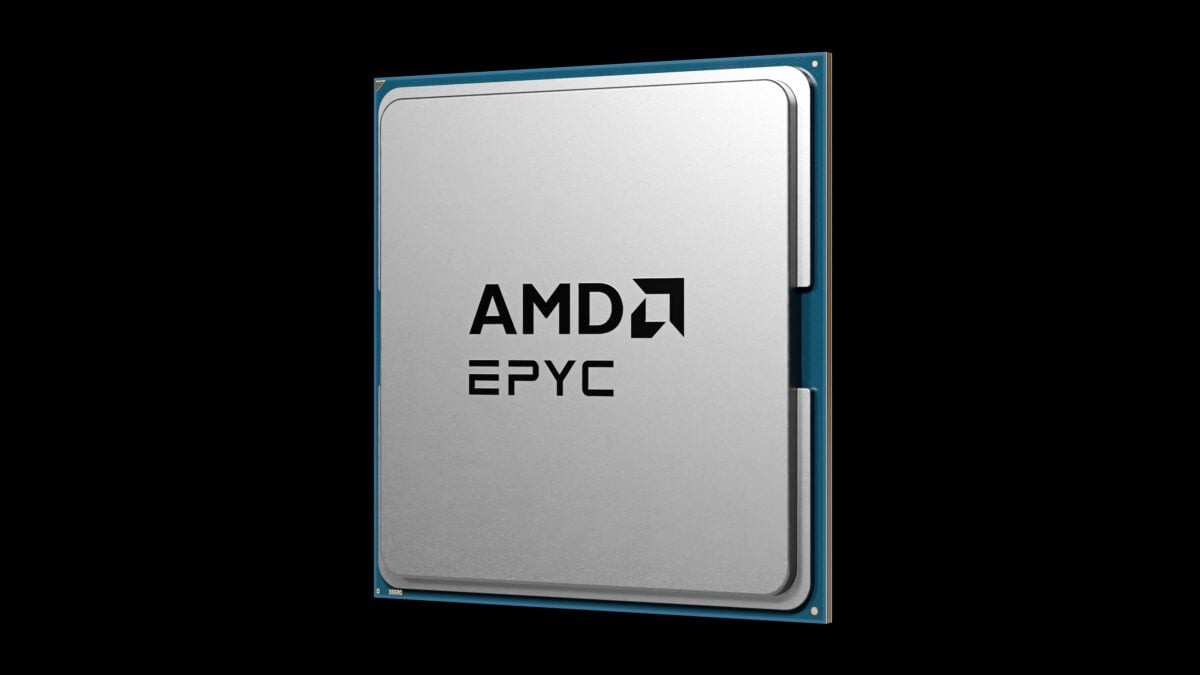
Image: AMD
AMD’s server presentation includes its own benchmarks and estimates, some based on specific test systems or projections. Those numbers should not be treated as independently verified gaming frame rates. For desktop buyers, launch dates, prices and performance depend on announcements for the relevant Ryzen products.

