
AMD's FSR 4.1 reaches Xbox Series X and S developers, but games won't upgrade themselves
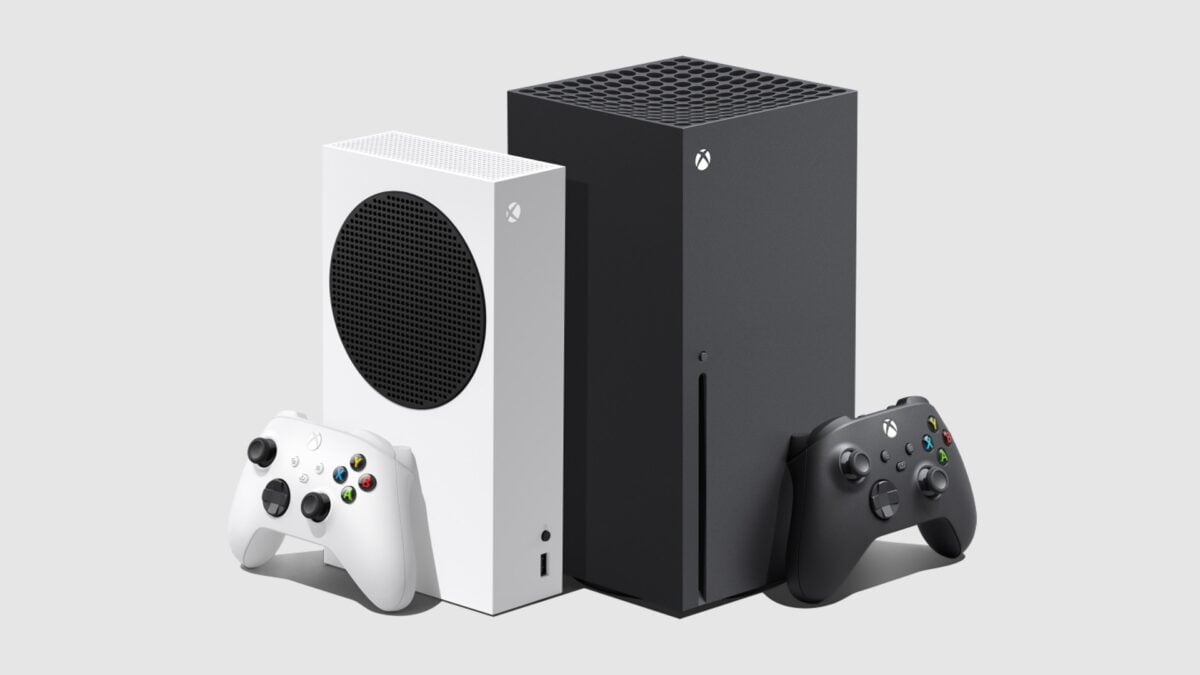
AMD has brought its machine-learning-based FSR 4.1.2 upscaler to Xbox Series X and Series S through Microsoft's October Game Development Kit. The release gives game developers a new option for reconstructing higher-resolution images on the consoles, but players should not expect every installed game to change automatically.
Developers need to integrate the technology into their games. AMD has not named Xbox games that will receive it or said when players will see the first updates. The announcement follows the company's October promise that FSR 4.1 was coming to the two consoles.
The Xbox release includes two versions of the upscaler, called Full and Lite. Both work on Series X and Series S; developers decide which model fits their game's balance of image quality and GPU workload, AMD says.
Image: AMD
What the update means for Xbox players
Upscaling starts with an image rendered at a lower resolution and reconstructs it for a higher-resolution output. The goal is to make efficient use of graphics hardware while retaining detail, though the result depends on the game, the chosen settings and how well a developer integrates the technology.
AMD describes this as the first machine-learning-based FSR upscaling option for Xbox consoles. Games on Xbox have previously used analytical versions of FidelityFX Super Resolution; the new release gives developers another choice rather than replacing those existing implementations across the system.
There is no console setting that can add FSR 4.1.2 to every game. A developer needs to include support in a new release or an update before players can benefit from it. AMD's announcement does not provide game-by-game performance results, so it is too early to promise a particular increase in frame rate or resolution.
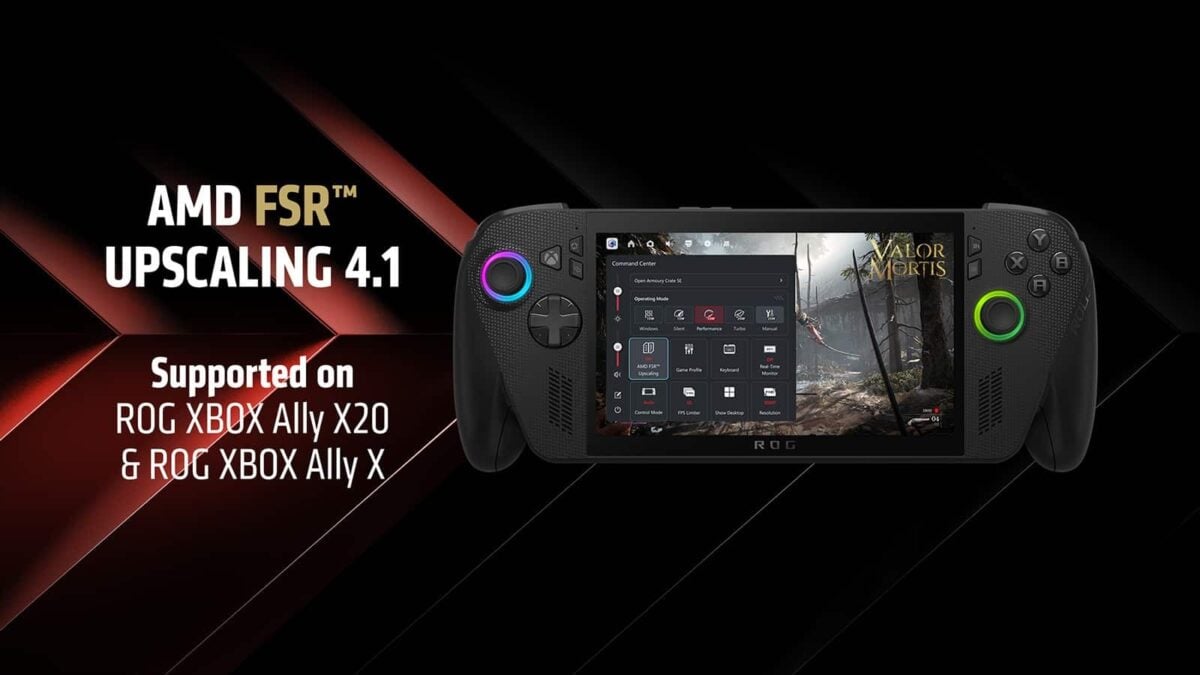
Image: AMD
Two models give developers a choice
The Full and Lite versions use INT8 models. AMD says Lite is less than half the size of Full and has a lower upscaling cost, giving developers another option where GPU time is limited. The company says the upscaler's memory use is the same between the two models at the same render and display resolutions, so the size difference should not be read as a direct memory-saving figure.
An AMD sample in the Game Development Kit lets developers switch between the models and compare them in the same scene. The integration uses the same FSR SDK API as Windows, while registered Xbox developers receive Xbox-signed binaries through Microsoft's kit.
The Xbox Ally handhelds take a different route
The ROG Xbox Ally family runs Windows rather than the Xbox console software. AMD says developers use the standard Windows FSR SDK for those handhelds, including supported Ryzen AI Z2 Extreme and Ryzen Z2 A devices.
ASUS also offers a preview driver for the Ally X and Ally X20 that can upgrade compatible DirectX 12 games using FSR 3.1 or newer. AMD says support for the original ROG Xbox Ally follows in a later update. For Vulkan games, AMD says developers still need to integrate the newer SDK directly.
For console owners, the useful next detail will be a list of games adopting the feature. Until developers announce those integrations, this is a tool becoming available to them, not a universal visual upgrade already switched on for players.

