
AMD updates its Unreal Engine FSR plugin with support for older Radeon cards
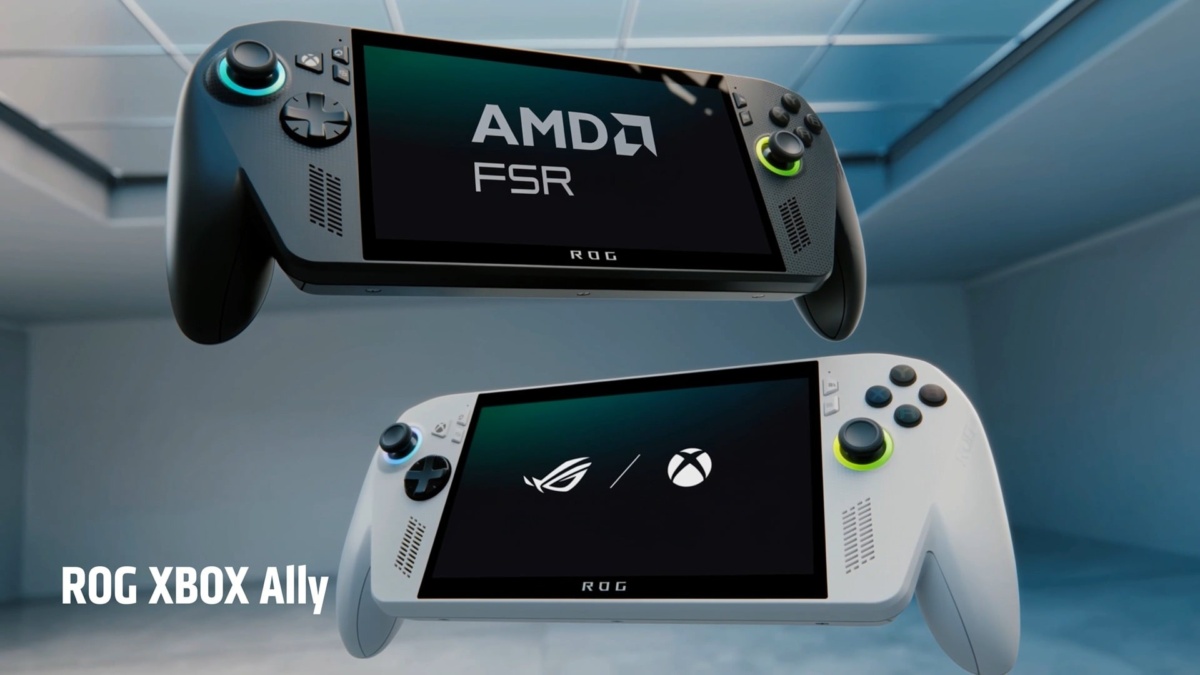
AMD has updated its Unreal Engine plugin so developers can bring FSR Upscaling 4.1.2 to games running on older Radeon RX 6000 graphics cards and selected Ryzen processors. That includes supported integrated graphics in some laptops and handhelds, giving more players a potential route to AMD's machine-learning upscaler.
There is a catch, though: this is a tool for game developers. To use this implementation, a game needs to integrate the plugin, so the announcement does not mean every existing Unreal game suddenly has FSR 4.1. Developers can also integrate FSR in other ways.
For owners of compatible hardware, the interesting part is how much further the support now reaches. AMD previously extended the plugin to Radeon RX 7000 cards; this update adds RX 6000 and selected Ryzen systems to the mix.
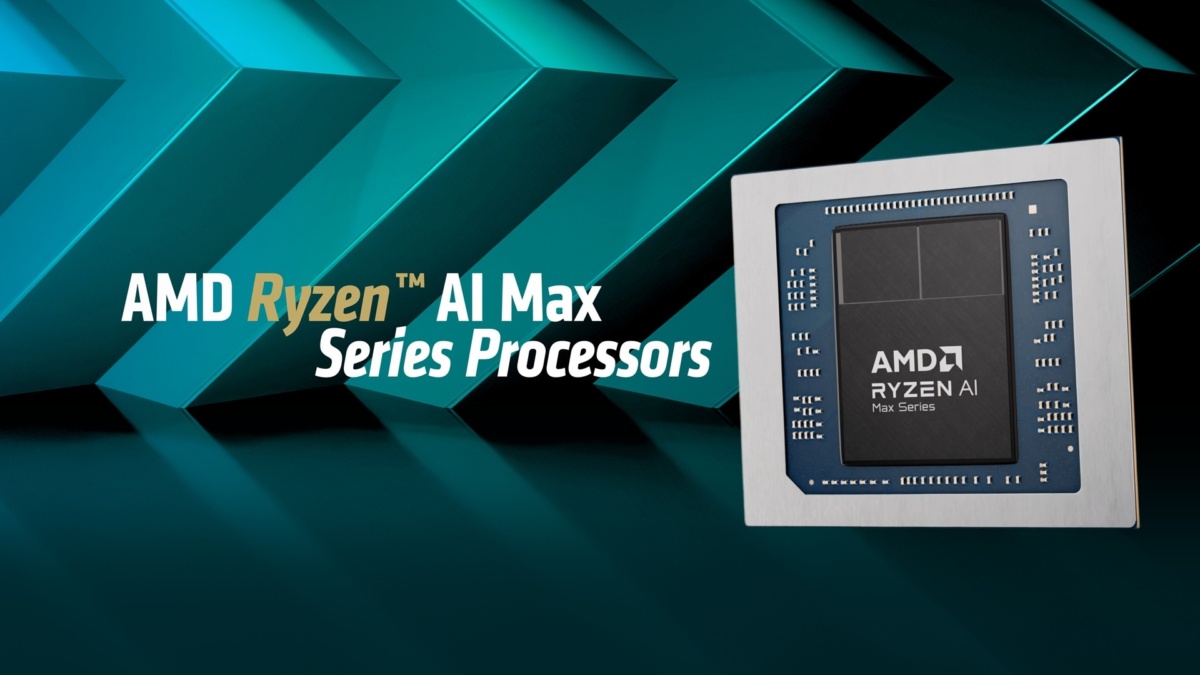
AMD says Ryzen AI Max processors use the full upscaling model. Image: AMD
The plugin brings FSR 4.1.2 to more Radeon hardware
AMD says version 4.1.2 of the plugin works with Unreal Engine 5.3.2 through 5.8. It uses two machine-learning models: the full model for Radeon RX 6000 and Ryzen AI Max, and a smaller one for selected integrated graphics with tighter resource limits.
Selection happens automatically according to the hardware. AMD says results can vary with the game, resolution, quality mode and device, so I would wait for tests of an individual game before expecting a specific frame-rate or image-quality improvement.
The plugin also supports RX 7000 and RX 9000 graphics. On other compatible hardware, it can fall back to an analytical version of FSR 3 rather than the machine-learning upscaler. Developers still need to integrate and configure the tool in their own projects.
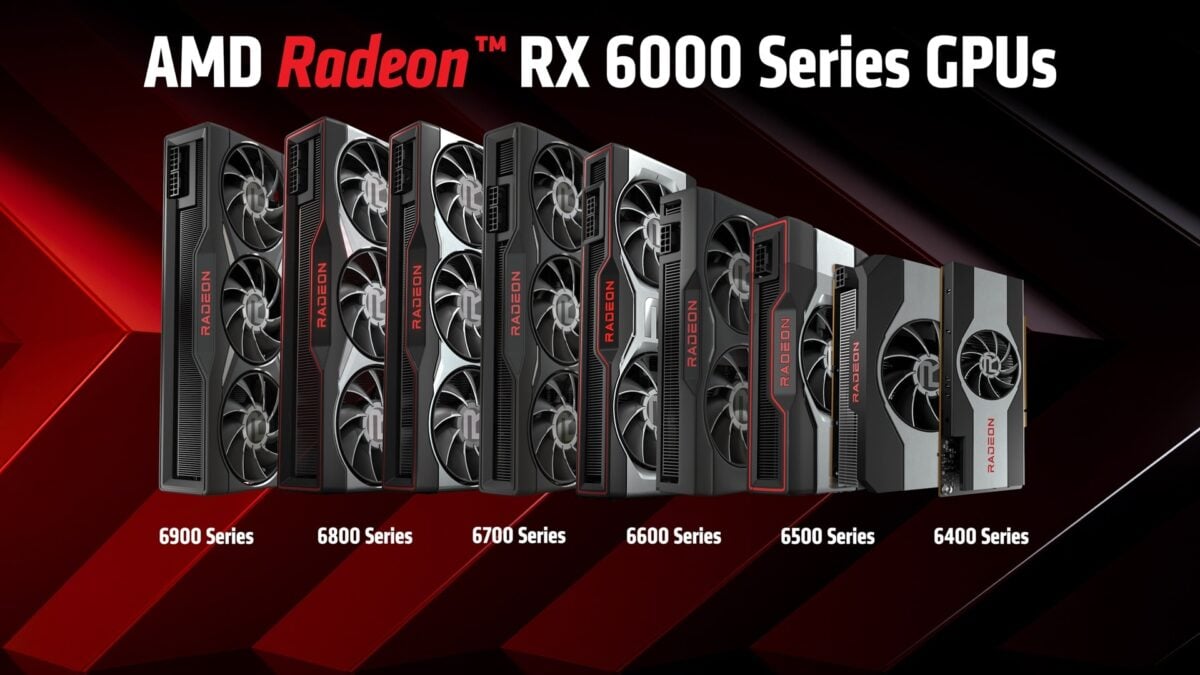
The plugin adds machine-learning upscaling support for Radeon RX 6000 cards. Image: AMD
The Unreal Engine plugin does not yet support Vulkan
The Unreal plugin currently supports DirectX 12. That differs from the broader FSR software development kit, which added Vulkan support. AMD says Vulkan is not yet available in this particular plugin.
The update also includes a separate frame-generation component. That is not the same feature as upscaling, which reconstructs a higher-resolution image from a lower-resolution one. AMD's machine-learning frame generation has its own hardware and software requirements.
One useful detail for developers is the plugin's connection to the FSR API. AMD says games built with that integration can receive newer FSR versions through supported Adrenalin driver updates without requiring a game-side update for every later release.
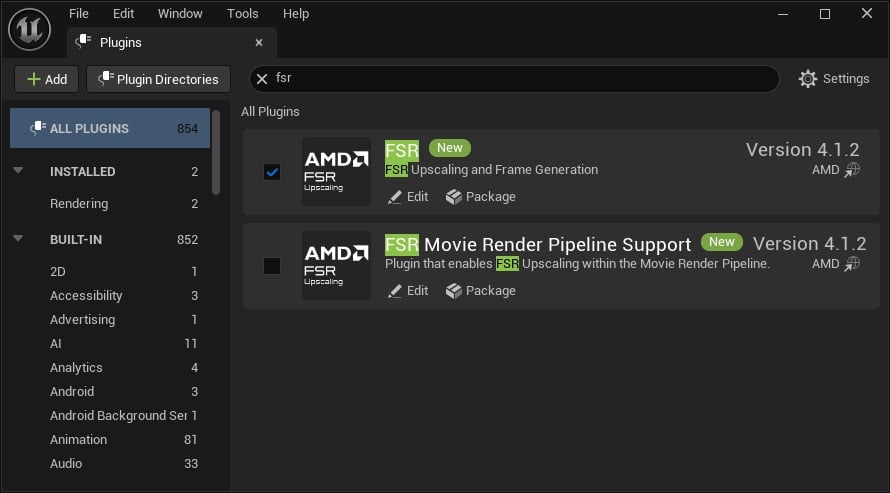
AMD shows its FSR plugins in the Unreal Engine plugin browser. Image: AMD / GPUOpen
Existing compatible hardware can benefit when a game adds support
No new purchase is needed if you already have supported hardware and a game adds the feature. If you are planning a separate graphics-card upgrade, Amazon lists an ASUS Prime Radeon RX 9070 EVO with 16GB of memory. It is one example in AMD's newer RX 9000 family, not a requirement for the plugin's RX 6000 support.
MIXED has previously covered AMD's broader FSR SDK update. The new Unreal plugin is a separate way for developers working in that engine to add the technology.
Image credit: AMD / GPUOpen.
Note: Links to online stores in articles can be so-called affiliate links. If you buy through this link, MIXED receives a commission from the provider. For you the price does not change.
As an Amazon Associate we earn from qualifying purchases.

