
Airbus drives the ExoMars rover prototype with a Steam Deck, and its wheels crab sideways
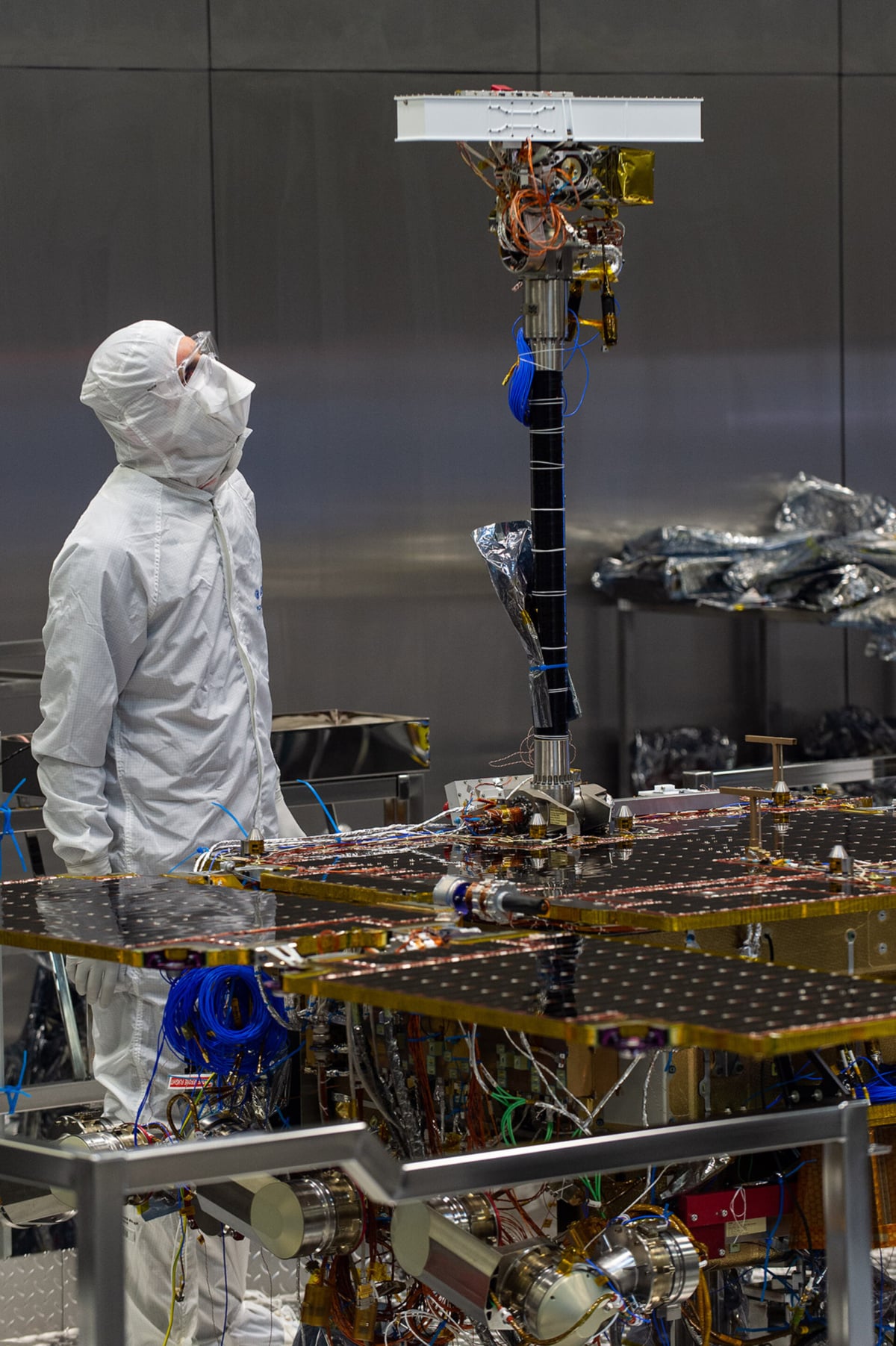
Airbus engineers at Stevenage drive the ExoMars rover prototype with a Valve Steam Deck, running custom software on the handheld and steering the six-wheeled machine with its sticks, triggers and bumpers. One press of a bumper swings the wheels through 90 degrees and the rover crawls sideways, like a crab.
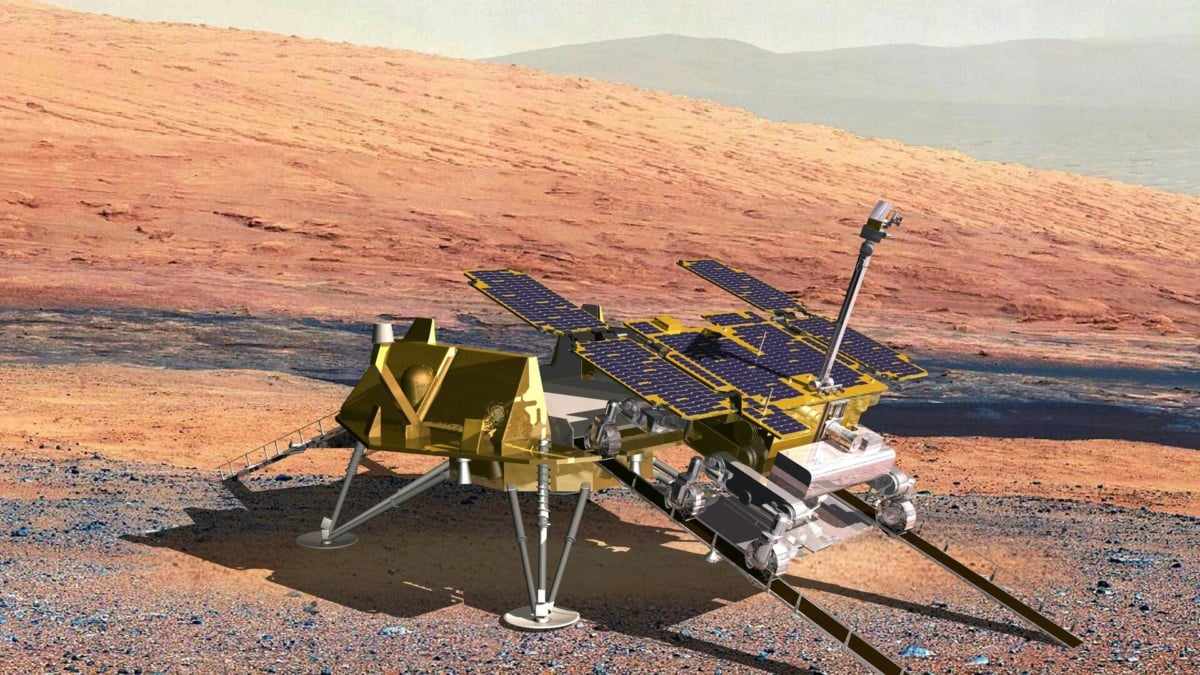
An artist view of the landing platform Airbus was contracted to build in March 2025. Image: Airbus
The handheld detail comes from Tom Scott's video from the Airbus campus, published on August 31, and it is the only account of the setup anywhere. Scott says he "met Mars rovers, took a test drive, and discovered the most incredible wheel I've ever seen". Airbus has published nothing about the control rig and has not named the software the Deck runs.
The Steam Deck stays on the test floor
This is ground testing, not mission control. The vehicle that goes to Mars is the flight rover, which ESA's factsheet puts at 310 kg, covering roughly 50 to 100 m per martian day.
A ground model exists so that engineers can break things cheaply. A test rover on a sand pit can be dug in, hauled out and driven badly for an afternoon, which stops being an option the moment the hardware is on another planet.
The sideways shuffle is part of the design rather than a party trick for visitors. ESA lists "unique driving skills such as wheel-walking, to overcome challenging terrain including sand traps", and the same steering system that rotates each wheel is what lets the prototype slide across a test surface.
Valve's handheld keeps turning up in jobs its store page never mentions. Display glasses makers went after it as a portable screen driver within months of launch, which is how Nreal ended up selling Air glasses as a 130-inch virtual TV running off a Steam Deck.
ESA is aiming for a 2028 launch and a 2030 landing
The rover is named after Rosalind Franklin, the British chemist whose X-ray crystallography underpinned the structure of DNA. ESA says the mission launches in 2028 and touches down in 2030, with NASA supplying the launch service, elements of the propulsion system needed for landing and heater units.
Its job is to look for signs of past and present life, and the drill is the reason it can. Rosalind Franklin is built to take samples from 2 m below the surface, deep enough to reach material shielded from radiation and the temperature swings at the top. A Panoramic Camera system sits on a 2 m mast above it, which ESA says feeds both the science and the navigation decisions.
Airbus was contracted in March 2025 to design and build the landing platform, covering the mechanical, thermal and propulsion systems, the landing structure and gear, and the two ramps that deploy on opposite sides so the rover can take the least risky route down. The platform has to put a 310 kg rover on the surface intact and then hold still while it rolls off.
Stevenage built the flight rover itself, in a cleanroom on the same campus. ESA said in August 2019 that it was about to leave the UK for environmental testing in Toulouse and final integration with the lander platform in Cannes.
On Mars, nobody will be holding anything. In Stevenage, somebody is holding a Steam Deck.

